


The chewing surface of our teeth is riddled with very tiny grooves, which are difficult to clean thoroughly. In many cases, there is a visible sign of this, which is a slightly darker colouration of these lines on the tooth. If the fissures, due to their unique shape, are deeper and unattainable with normal dental hygiene tools, then decay can quickly develop in the affected tooth, leading to toothache.
Around 80% of tooth decay occurs in the fissures of molars. However, during fissure sealing, these fissures are filled to prevent the accumulation of bacteria and food debris, thus preventing future decay.
What is groove sealing?
Fissure sealing is considered a type of preventive treatment. Its essence is that the very difficult-to-clean fissures on the chewing surfaces of the molars are filled with a special sealing material, which makes it easier to prevent tooth decay at these specific points.
The base materials used in the process are similar to those used for tooth fillings, and can be white – matching the shade of the tooth – or transparent.
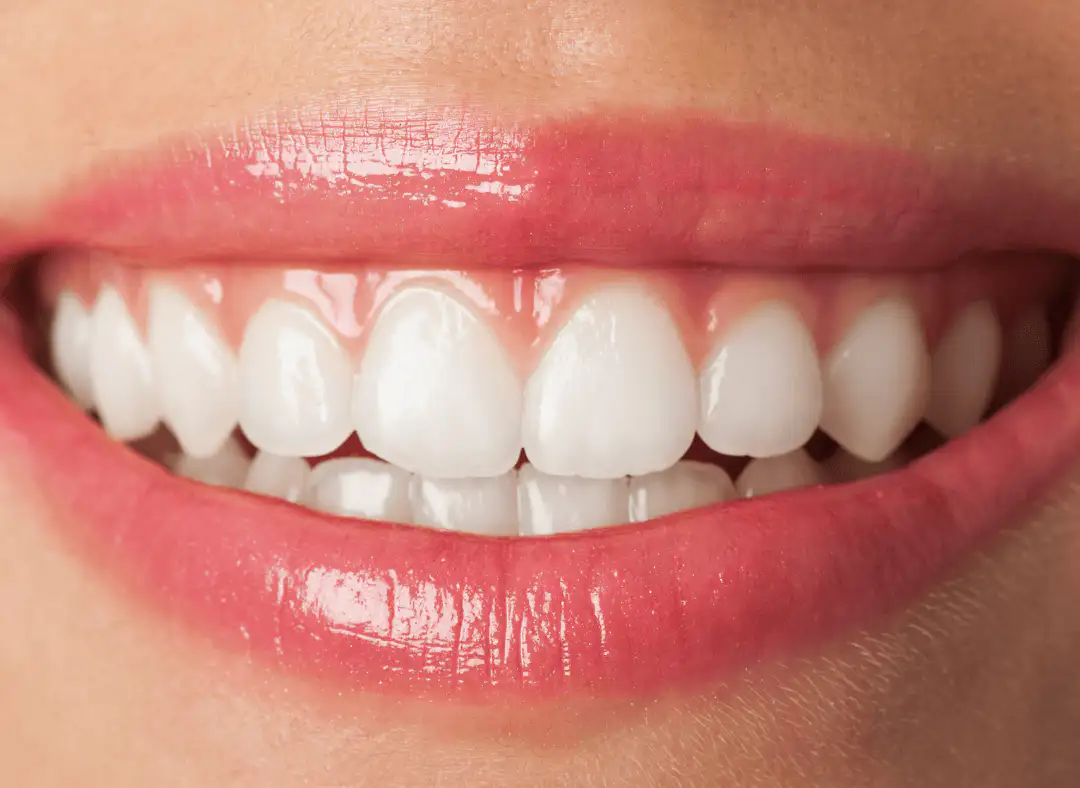
Therefore, their application does not lead to a decrease in the aesthetic value of the teeth, and they do not even negatively affect chewing efficiency.
The groove sealing provides an easy-to-clean surface
Such grooves can also be found on your molars. You can easily feel them by running your tongue over the chewing surfaces of your molars.
The aim of fissure sealing is to seal the difficult-to-clean fissures on the chewing surface of molars, making them inaccessible to bacteria and debris, thus preventing tooth decay.
In most cases, it is a treatment applied to children, which is worth having done between six months and one year after the teeth have erupted and appeared. Fissure sealing is carried out with a special bio, high-strength fissure sealant filling material, after which a smooth, easy-to-clean, yet strong and durable surface is created.
The process of furrow closing
- clean the chewing surface to be sealed thoroughly
- we disinfect using a laser
- We cover the chewing surface with a special bio, high-strength fissure sealant, filling material.
If decay has already started on the surface of a molar tooth, then:
- We are the first to use the latest laser dentistry techniques to treat tooth decay removal without the use of painkillers or anaesthetic injections
- We will then cover the chewing surface with a special bio-compatible, high-strength fissure sealant, tooth filling material.
Laser treatments They do not cover the removal of fillings previously placed in the tooth; furthermore, in certain cases, an anaesthetic injection is required during laser treatments. The various benefits of laser dental treatments are realised to varying degrees depending on the specific treatment. Our aim is to ensure that our patients’ treatments are carried out as calmly and painlessly as possible.
After the furrow closing
Following a fissure sealing, patients should proceed as they would after receiving a dental filling, meaning it is recommended to avoid putting pressure on the teeth for a few hours, whilst it is essential to pay attention to proper oral hygiene.
Teeth with sealed fissures should therefore be brushed the same way as before, but cleaning them will be significantly easier, as the deep passages will disappear and the surface of the teeth will become smoother.
It is a mistake to think that thorough brushing is not necessary after fissure sealing, as teeth can decay not only in these areas but also in other parts. This procedure is merely a tool to help prevent problems more easily.
Who is fissure sealing recommended for?
- first and foremost for parents of young children, who, to protect their children’s teeth, may ask our paediatric dentist to carry out fissure sealing
- for young people, adults, and the elderly with teeth that have more complex grooves
- for everyone who wants to prevent tooth decay on the chewing surface in this way
Each individual and body may react differently to dental treatments. To develop the right treatment plan for your body, contact our dental experts who will provide you with a personalised solution!
Benefits of furrows
As fissure sealing is preventative, the procedure has primarily beneficial properties. The most important of these are:
- It helps prevent tooth decay:By sealing the deep grooves on the surface of the molars – which are difficult to clean – the incidence of tooth decay can be significantly reduced.
- Quick and painless:Fissure sealing should not be confused with filling cavities, as no drilling is required in this case, and therefore no anaesthetic is needed either, as the procedure is quick and painless.
- It helps to avoid more expensive and more extensive procedures:Whether used on children or adults, fissure sealing helps to avoid more expensive and invasive dental procedures, such as fillings, root canal treatment or dental crowns.
The durability of fissure sealing
In terms of durability, fissure sealing can provide confident protection for patients for up to 3-5 years, however, this interval can shift in both negative and positive directions depending on who pays attention to oral hygiene and to what extent.
It is very important that fissure sealing requires regular check-ups, which can also increase its durability, as any potential issues such as inadequate oral hygiene or other problems can be identified in good time.
If necessary, groove sealing can naturally be renewed.
Frequently asked questions
How safe is fissure sealing?
Fissure sealing is a completely safe method in every respect, using the same material as dental fillings, so it does not cause health problems; rather, it helps prevent tooth decay and other dental issues.
How much does fissure sealing cost?
The cost of fissure sealing is essentially determined by the method used for the procedure. At NaturaDent, we carry out the procedure using state-of-the-art laser technology, which currently costs 34,000 forints per tooth.
Does fissure sealing offer complete protection against tooth decay?
This treatment offers excellent protection against tooth decay that forms in the grooves on the surface of the teeth. However, this does not mean that tooth decay cannot develop on other parts of the teeth, so just as much attention must be paid to oral hygiene.
Can fissure sealing be used for a tooth with a cavity?
Provided the cavity has been properly treated and filled, the fissure sealing can naturally be carried out on the surface of the affected tooth. Otherwise, the carious tooth must first be filled, and only then can the procedure be performed.
Which Teeth Can Benefit from Dental Sealants?
The method is typically applied to permanent molars, sometimes premolars and deciduous teeth. It can be beneficial for any tooth that has deep fissures, making it difficult to clean.
Can fissure sealing be used on milk teeth?
Yes, and this is recommended even though milk teeth fall out later, because the bacteria that cause tooth decay can more easily spread to other teeth in the mouth, even permanent ones.
How many teeth can be sealed at once?
As much as is necessary. If the patient is patient enough, all grooved teeth can be treated in one session.
How long does the procedure take?
Specifically, sealing the grooves doesn't take long – the preparations can often drag on for longer – so one tooth can be done in 10-15 minutes.
How much does a vasectomy hurt?
Not at all, it's a completely painless procedure, so much so that it doesn't even require anaesthetic.
Do you need to drill the tooth to close it?
Unlike traditional fillings, sealing fissures does not require the removal of healthy tooth material, thus eliminating the need for drilling before sealing. The only exception is if the tooth being treated has a cavity.
Does sealing the grooves change the quality of chewing or biting?
Experience shows that fissure sealing has no negative effect on chewing or biting. After the procedure, dentists check this to ensure the teeth are occluding properly.
Can sensitivity occur after fissure sealants?
It is not characteristic at all, but if it does occur, it will pass on its own after a few days and does not require intervention.
What material is used for the lock?
Yes, the fissure sealant can wear down and thin over time, which is why regular dental check-ups are necessary, as worn fissure sealants can be renewed at any time.
How Often Should You Have a Check-up After Dental Sealants?
It is recommended to visit your dentist at least once every six months, meaning that maintaining the routine dental check-up frequency is sufficient following the procedure.
Is an X-ray needed before sealing fissures?
No, unless the condition of the tooth gives cause for suspicion. This can most often occur with adult patients or with teeth that have already been treated, but there is usually a solution, at most requiring extra treatment.
Can you work or exercise after a fissurectomy?
There is no obstacle to this, although it is patient- and work-dependent, as significant biting and clenching of the teeth are not recommended for a few hours, so it is advisable to wait a little with significant physical exertion.
At What Age Can Children Receive Dental Sealants?
Fissure sealing is generally recommended for children from the age of 6. It is worth paying attention to milk teeth from this perspective, if they are heavily fissured and there is a risk of tooth decay, or if we want to protect the children's teeth.
We welcome you in our practice!
Ask for our dentists, our paediatric dentists to help seal the grooves in their molars and protect their teeth from decay! Our team consists of experienced, well-trained, caring and always cheerful members who are delighted to be at your and your child’s service, offering their full range of expertise, up-to-date knowledge, care and undivided attention.