


Invisalign Express orthodontic treatment for one dental arch
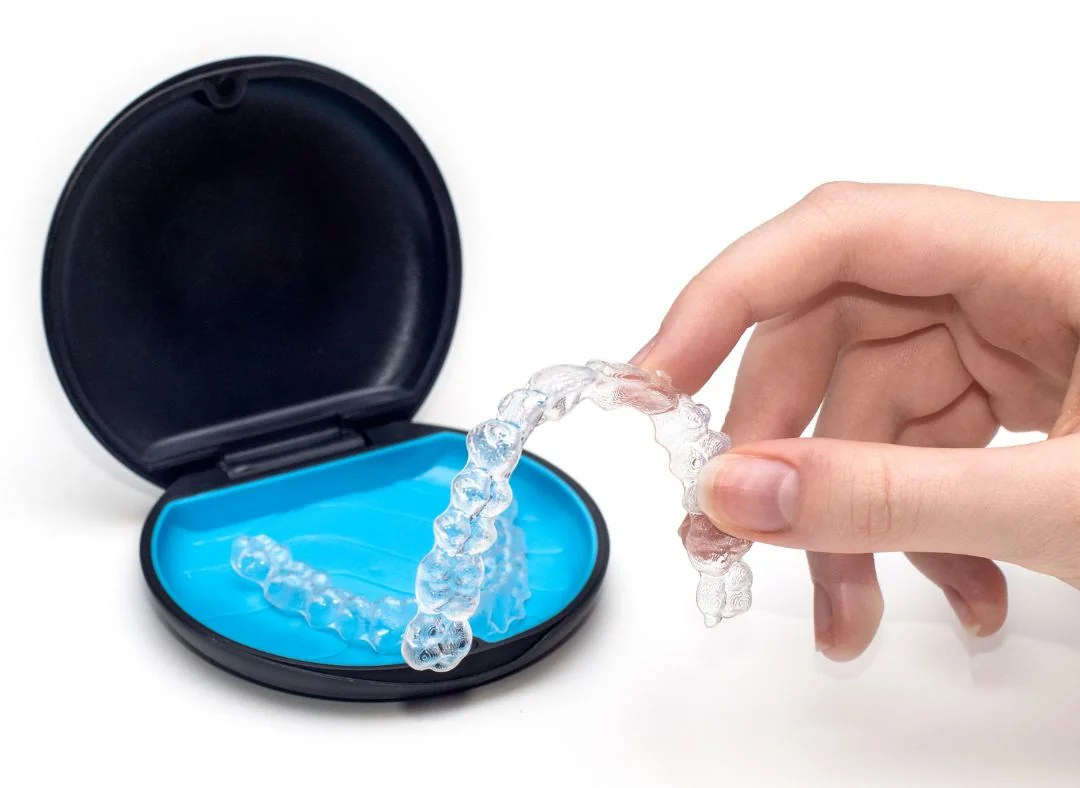
If you are only bothered by minor crowding, gaps between your teeth or relapse following previous orthodontic treatment in either your upper or lower dentition, Invisalign Express single-arch treatment may be an option. In such cases, the custom-made, clear aligners move the teeth on one arch. When planning the treatment, we also assess how these teeth interact with the teeth on the other arch.
At Naturadent, during your orthodontic consultation, we will determine whether the misalignment can be corrected with treatment on a single dental arch, and whether the Express package is sufficient for this. Suitability is determined by a combination of the position of the teeth, the condition of the gums and the bite.
I would like to book a consultation for orthodontic treatment
When is treatment of a single dental arch sufficient?
Invisalign Express, which uses a single set of aligners, may be suitable for minor misalignments where the required correction can be limited to either the upper or lower dental arch. Examples include mild crowding, a small gap, or partial relapse in previously straightened teeth. To make a decision, it is necessary to assess exactly which teeth need to be moved, in which direction, and by how much.
It is not simply a matter of how many teeth appear misaligned. An irregularity in the smile may be caused by a positional or occlusal issue that requires treatment of both dental arches. If a single-arch treatment plan does not provide a suitable solution, a two-arch treatment or another orthodontic treatment package may be warranted.
Why do we examine the other set of teeth as well?
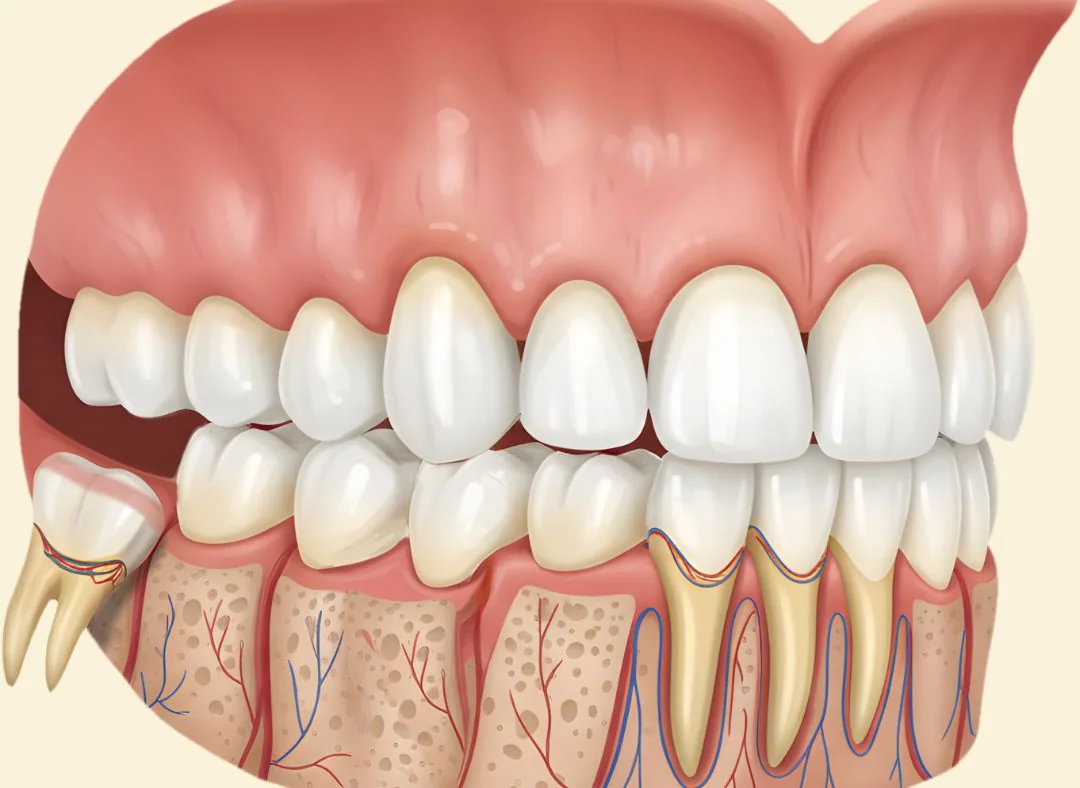
The upper and lower teeth come into contact with one another when chewing. If the position of the teeth in one of the dental arches changes, their contact may also change. For this reason, we examine the entire bite even if you only wish to change the appearance of your upper incisors or lower teeth.
A prerequisite for single-tooth treatment is that the bite remains correct alongside the planned tooth movement. The digital plan helps us discuss the desired changes; we monitor the actual tooth movement and contacts during check-ups. The visual plan does not guarantee a specific outcome.
From the consultation to the first track
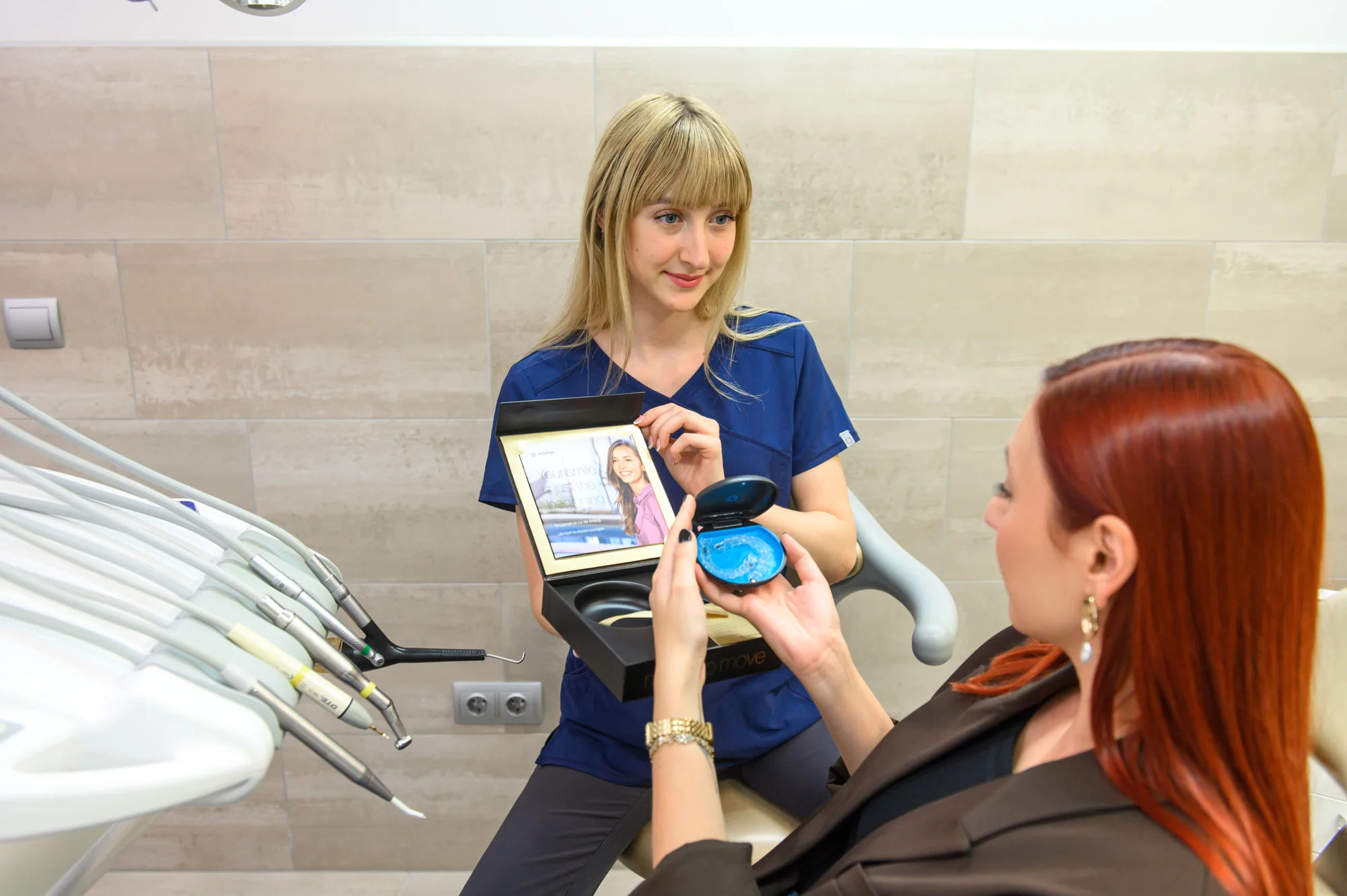
At your first consultation, we will discuss what is bothering you about the position of your teeth and what changes you would like to see. We will check the condition of your teeth, gums and bite. If you have had orthodontic treatment in the past, please bring any treatment records you have, as well as your existing retainer.
A treatment plan is drawn up based on the digital scan and the necessary documentation. In this, we identify the teeth to be moved, the dental arch to be actively treated and the stages of tooth movement. In cases of more severe crowding or complex malocclusion, the Express framework may not be sufficient; in such cases, we will discuss other options during the consultation.
If necessary, small, tooth-coloured composite elements – known as attachments – are placed on the teeth to aid the function of the aligners. To create space, a small amount of enamel may also need to be removed from the surfaces of the adjacent teeth that face each other. This is known as interproximal reduction, or IPR for short. We will discuss whether this is necessary before treatment begins.
What is included in the single-tooth Express package?
The single-arch Express pack contains 7 aligners for the treated dental arch. After the first set, a maximum of 7 further aligners may be ordered once within the 6-month reorder window. The start date of the reorder window and the terms and conditions for reordering will be clarified before treatment begins.
The quotation includes the check-ups, attachments and the necessary IPR. We will provide details of the charges for diagnostics, digital planning, the retainer and the replacement of a lost splint in the individual quotation. The fee for any additional reorders beyond the scope of the package is 150,000 Ft; the exact details and terms of this will be set out in the quotation.
There is no guarantee of results with Invisalign treatment. The option to reorder is subject to the terms of the package and does not guarantee that all desired changes can be achieved under the Express programme.
Wearing the splint in everyday life
The active orthodontic splint should generally be worn for 20–22 hours a day, as instructed by your dentist. Remove it when eating, brushing your teeth or drinking anything other than water. Change the aligners in the prescribed order and at the agreed intervals; do not try to compensate for shorter daily wear by changing aligners earlier than scheduled.
After eating, clean your teeth before putting the aligner back in. Rinse the aligner with cold water and clean it with a soft-bristled toothbrush, following the instructions provided. Hot water may cause the material to warp. When you are not wearing it, keep it in its case.
When a new brace is fitted, you may experience temporary tightness, tooth sensitivity or a slight change in your speech. Braces treatment can also carry risks, such as gum irritation, tooth decay if not cleaned properly, and root resorption. If you experience persistent or severe pain, gum damage or problems with the fit of your braces, please arrange a check-up.
Duration of treatment and maintenance of results
The duration of single-tooth treatment is determined by the necessary tooth movements, the frequency of aligner changes and regular wear. The number of aligners alone does not provide a definite completion date. We monitor the results at check-ups and, if necessary, adjust the next steps.
After the final active aligner, we will examine the position of the teeth and the overall bite. A retainer may be required to maintain the correct tooth alignment: this may be a removable appliance or a wire fixed to the inner surface of the teeth. The appropriate type, wearing schedule and check-ups are determined by your treating dentist. Do not use the final tooth-moving aligner as a permanent retainer on your own initiative.
Frequently asked questions about the single-arch Invisalign Express treatment
Can I just have my upper teeth straightened?
Yes, provided that the examination shows the misalignment can be corrected within a single dental arch and the bite remains correct following the planned treatment. The same applies to the treatment of the lower dental arch on its own. We will make the decision based on the full examination.
It can still help even after previous orthodontic treatment
This may be an option in cases of minor relapse. It must first be assessed whether the required tooth movements can be accommodated within the Express framework. The old retainer and previous treatment records may assist with the planning.
What happens if a two-phase treatment is recommended following the examination?
We will discuss why the position of both dental arches needs to be adjusted and what options are available. Before treatment begins, you will be able to review the proposed treatment plan and its costs.
What should you do if the rail goes missing or an attachment falls off?
Please contact the surgery as soon as possible. Your dentist will advise you whether a replacement is needed and which splint you can use in the meantime. Do not switch to a splint with a different serial number on your own, and do not reattach the attachment at home.
It’s enough to wear the splint at night
No. Active tooth movement generally requires the appliance to be worn for 20–22 hours a day. Instructions regarding night-time use may refer to the retainer worn after treatment, which serves a different purpose.
Booking an appointment before starting single-bracket orthodontic treatment
Book an appointment for an orthodontic consultation at Naturadent. We will assess whether treatment of the upper or lower dental arch is sufficient, and whether Invisalign Express might be suitable for you.
I would like to book a consultation for orthodontic treatment