


For the aesthetic and durable replacement of lost teeth, implantation offers the best alternative. However, many people would like implants but cannot have them due to metal or specific titanium allergies.
This is when metal-free solutions, such as zirconia implants, come into play.
Zirconia ceramic is a relatively new technology, however, it's important to know that its use is primarily recommended only when there is no possibility of using a titanium implant.
What do you need to know about zirconia implants? What are they made of, what are their advantages, and when is their use recommended? Our article answers all your questions!
Why do we recommend titanium over zirconium implants?
As we have already explained in the introduction, the zirconium implant Its use is most recommended when it is not possible to fit a titanium dental implant, either because the patient suffers from a metal allergy or, more specifically, is sensitive to titanium.
Fortunately, this is a very rare case, as titanium is one of those metals that possess outstanding biocompatibility, and therefore does not trigger any allergic reactions in the majority of people.
Its use in the field of implantation dates back several decades; it provides an exceptionally durable and reliable foundation for the dental prosthesiswhereas a zirconium implant is a very hard, delicate and brittle material.
This can have a negative impact not only on the longevity of the implant – even with professional placement – but can also cause very serious problems during any removal.
What Is a Zirconia Dental Implant?
The zirconia implant is identical in design to traditional titanium implants, so the significant differences are mainly found in the base material.
Zirconia is a material with several decades of history in dentistry, but it has only been used as an implant material for a relatively short time. It has gained popularity because entirely metal-free solutions can be created with it for those with metal allergies.
Zirconia implants are also a biocompatible dental restoration method, designed to fully integrate with the body, connect with certain tissues, and replace some functions.
In terms of its raw material, zircon is made from silicate sand, in other words, zirconium silicate, which is converted into zirconium dioxide in a special process. This is actually nothing other than ceramic.
So when we talk about a zirconia implant, we can refer to the end result as a zirconia ceramic or simply a ceramic implant.
The advantages of a zirconium implant
Can also be used in case of metal allergy
There can be no doubt that the greatest advantage of zirconia implants is that they are a completely metal-free tooth restoration solution, making them suitable for cases where the patient suffers from a titanium metal allergy.
Before implant placement, it is advisable for everyone to undergo an allergy test, where related sensitivities can be revealed with the help of appropriate tests. This can save us from a lot of later inconvenience.
And if we have an allergic reaction to metal, or specifically to titanium, we don't have to rule out dental implants thanks to zirconium implants.
Furthermore, in zircon, the elements are linked to each other by ionic bonds, and although this makes the structure more rigid and brittle, electrons cannot be released, thus corrosion is also avoided.
Of course, corrosion also does not threaten titanium implants, as in their case, a stable oxide layer covers the surface, which provides the material with high corrosion resistance.
It's well-boned
Another significant advantage of zirconium implants is that they are entirely biocompatible and consequently integrate very well with bone, capable of becoming stably fixed in the jawbone in a short period.
Clearly, the osseointegration of an implant can be influenced by several external factors, such as oral hygiene or the patient's illnesses.
The mineralisation of the implant is ensured by the material structure of the zirconium, which provides ideal conditions for the process, and furthermore, bacteria are much less likely to adhere to its surface, thus reducing the chances of potential complications.
Its durability is also unquestionable
While it cannot be stressed enough that it is a more fragile solution compared to titanium, zirconia implants can also be considered a durable alternative if used as intended and implanted with appropriate quality.
It owes this most importantly to rapid bone healing, and to the fact that bacteria are less likely to colonise its surface, thus minimising the chances of inflammation developing.
Inflammation around the implant can lead to bone loss and loosening of the artificial root, but this is very rare with zirconia implants and is usually caused by poor oral hygiene.
Excellent load capacity
Although titanium cannot come close to it due to its material properties, zirconium implants still have excellent load-bearing capacity – especially when compared to other oxide ceramics.
Although brittle due to its rigid nature, it provides excellent resistance against chewing forces in the mouth, thus restoring the original functions of the teeth in the same way as other implant procedures.
However, it's important to note that compared to titanium, zirconia implants are made with a different manufacturing technology, otherwise their material structure would suffer significant damage.
This also shows that, although it can withstand considerable stress under normal circumstances, if we have the option and do not suffer from a metal allergy, we should opt for a titanium implant instead.
When Is a Zirconia Dental Implant a Good Choice?
In broad terms, it can be stated that zirconium implants offer a good alternative to dental restorations that can be performed with titanium implants in most cases, with very minimal compromises.
Thanks to this, we can count on zirconia implants in the following cases:
When replacing a single missing tooth
A zirconia implant can be an ideal solution for cases where a single missing tooth needs to be replaced. It is much more advantageous than a classic bridge, as it does not require grinding down adjacent, potentially healthy teeth.
The advantage is that it achieves a similar effect to a natural tooth, and its cleanability is also just as simple. Dental floss and interdental brushes can be used, so it does not affect the maintenance of proper oral hygiene at all.
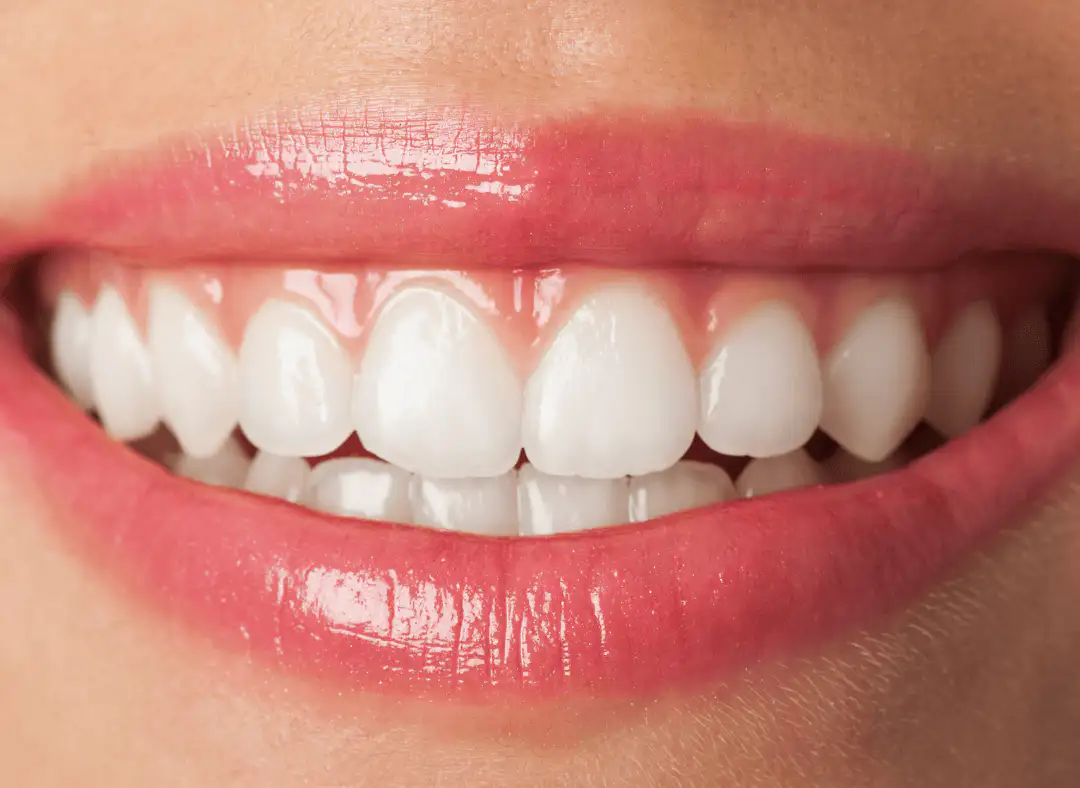
With a suitable crown (which can also be made from zirconia), the implant is very aesthetically pleasing, fitting perfectly into the dental arch, making it indistinguishable from the original teeth.
When replacing back teeth
Replacing back or posterior teeth always requires particular attention, as only partial dentures can usually be used in such locations.
However, a zirconium implant allows even several back teeth to be replaced, as it offers a robust solution on its own, but appropriate bridge restorations can also be created with its help.
Unlike removable solutions, it is not only more aesthetic but also provides better chewing ability for the patient, and if only a single tooth needs replacement, rather than a bridge, then even healthy teeth do not need to be ground down for it.
When replacing a complete lack of teeth with a fixed-detachable bridge
Finally, but not least, it is also possible to replace complete tooth loss with a zirconium implant. In such cases, the implantation of several artificial roots is necessary at the same time in order to fix the prostheses.
For a properly stable final result, 4-6 implants need to be placed per jaw in order for the full bridges to be securely and safely fixed in place.
It is not only an aesthetic but also a durable solution, which closely resembles the original set of teeth, allowing the patient to regain their previous quality of life and chewing functions in every respect.
This is why titanium implants are recommended
We have already mentioned above that zirconia implants can be a good alternative to titanium in cases where the patient has no other choice, i.e., suffers from metal allergies, but this material is much more fragile, and research has also highlighted other negative properties of it.
A 2023 study It has been demonstrated that, according to clinical trials, the failure rate for dental implants made of zirconium is significantly higher than that for titanium implants.
According to statistics, the implantation of a zirconium implant is more than four times more likely to be unsuccessful than titanium solutions, which have been used for decades.
In addition, the research has also highlighted that the rate of marginal bone loss is also significantly higher in the case of restorations made from zirconium, so if we have the opportunity and do not suffer from metal allergies, it is better to opt for a titanium dental implant.