


When their teeth become discoloured, many people wonder: I wonder if scale removal Or could teeth whitening help restore them to their original condition?
In the public imagination, these two treatments are very often confused – partly because teeth appear whiter even after tartar removal – but in reality they are two procedures that serve completely different purposes.
As we often find in our practice that patients ask for teeth whitening when what they actually need is tartar removal, we have explored this topic in greater depth in this professional article.
Tartar removal or teeth whitening? What’s the difference between the two? When do we need each one? We’ve answered all your questions below!
What is the difference between tartar removal and teeth whitening?
Tartar removal
The biggest misconception about tartar removal is that it is as much a cosmetic procedure as it is a medical one. The fact that it makes our teeth look better and gets rid of discoloured plaque is just the most important benefit in favour of the treatment.
Far more importantly, the procedure also serves a preventative purpose, as tartar traps vast numbers of bacteria and can lead to severe gum inflammation and, in the longer term, periodontal disease and tooth loss.
The role of this type of dental hygiene treatment therefore goes far beyond aesthetics, as it plays a fundamental role in maintaining oral health. The Factors affecting the cost of tartar removal We have summarised this in a separate price list.
Teeth whitening
In contrast to the above, however, teeth whitening is purely a cosmetic procedure, which is often preceded by the removal of tartar, as teeth can only be properly whitened once their surfaces have been cleaned.
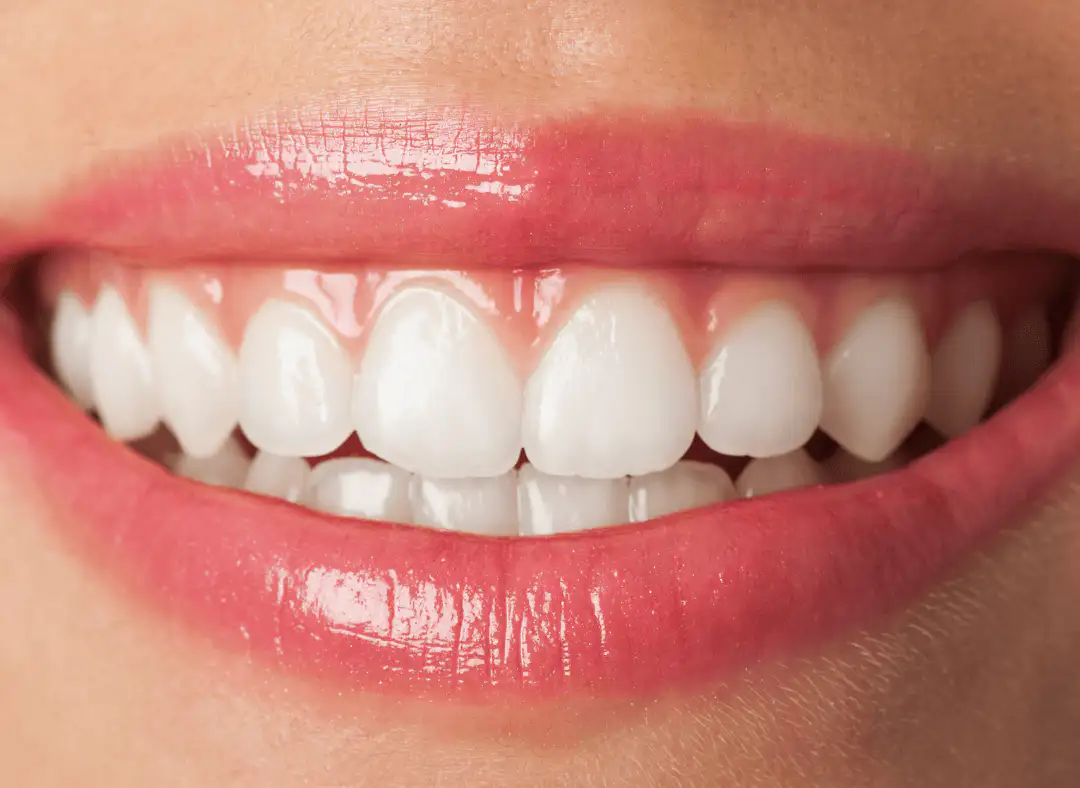
The aim of the treatment is therefore not to remove the deposits, but solely to restore the teeth to their natural colour, which is achieved by breaking down the pigments that have accumulated in the tooth enamel (e.g. from food, drink and tobacco smoke).
Teeth whitening is therefore not about removing surface stains, but about resolving problems that have arisen in the structure beneath the surface of the tooth enamel.
Tartar removal or teeth whitening? It’s the order that matters!
Now that we are aware of the key differences between the two treatments, it is very important to emphasise that, when it comes to these procedures, the issue is not so much their appropriateness as ensuring that they are carried out in the correct order.
From time to time, it may be necessary to have your teeth whitened and tartar removed; the former is required less frequently, whilst the latter is needed more often, as tartar is a key factor in oral hygiene.
However, it is a fundamental rule of the profession that teeth whitening must always be preceded by the removal of tartar. This is because the substances used during the treatment do not affect these deposits, and would therefore have a negative impact on the final result.
Tartar would therefore simply become more visible than before; indeed, the gum inflammation or tooth decay caused by the build-up of tartar could also lead to further irritation and pain.
It follows, therefore, that tartar removal is not an optional preparatory step prior to teeth whitening, but rather a prerequisite for it.
How can we tell which one we need?
Whether we need tartar removal or teeth whitening is usually determined by the symptoms themselves.
Tartar is very easy to recognise; it usually appears as a yellowish or brownish deposit on the surface of the teeth – often near the gums – and cannot be removed by brushing at all; its surface is rough, and it often causes bad breath.
Another characteristic is that it does not usually cover the entire tooth, but causes discolouration only in small patches. This problem cannot be resolved by simple teeth whitening; indeed, because the tooth enamel is affected, it cannot even be treated using home remedies.
By contrast, teeth whitening is justified if adjacent teeth have become uniformly discoloured, or have at least lost some of their natural shade, becoming yellower and less lustrous than before; at the same time, the discolouration affects entire surfaces rather than just isolated small patches.
Tartar build-up and tooth discolouration can be delayed, but not prevented
A common misconception, particularly regarding the removal of tartar, is that the majority of patients still regard it as some sort of unnecessary extra, because attitudes towards preventive dental care in Hungary are several decades behind the times.
In contrast, regular tartar removal should be scheduled in the same way as annual or six-monthly dental check-ups, because whilst the build-up of tartar – and tooth discolouration – can be slowed down, it cannot be prevented entirely.
Of course, the development of plaque – and the rate at which it builds up – varies from patient to patient, but this is influenced not only by genetics but also by lifestyle factors and oral hygiene habits.
If you want to minimise the build-up of tartar or the extent of discolouration, it is worth taking the following advice on board and putting it into practice in your daily routine:
- We should brush our teeth at least twice a day, using the correct brushing technique.
- Use dental floss or an interdental brush to clean areas that are difficult to reach with a toothbrush.
- Let’s cut down on foods and drinks that can stain our teeth (for example: coffee, tea, red wine).
- Always rinse your mouth after a meal if you are unable to brush your teeth.
- Let’s avoid smoking.
- Let’s drink enough water, which not only boosts hydration but also helps the mouth to clean itself.
- We should have regular dental check-ups. If our teeth are more prone to tartar build-up or discolouration, it may also be advisable to have tartar removed every 6–9 months.
Regular tartar removal is the foundation of healthy teeth
As we have already highlighted above, the main difference between tartar removal and teeth whitening is that, whilst the former is a preventative measure and part of regular oral hygiene, the latter is primarily an aesthetic choice based on individual preferences.
After tartar removal, many people will find their teeth look whiter, as the removal of yellowish plaque does have aesthetic benefits; however, this is not the primary aim of the treatment – rather, it is to prevent complications:
- Excessive build-up of tartar can seriously damage the teeth and contribute to tooth decay and the thinning of tooth enamel.
- Removing it can prevent unpleasant gum inflammation, periodontal disease or the tooth loss that results from these conditions.
- Very often, tartar can also be the cause of bad breath, so it is advisable to have it removed regularly for this reason as well.
- More serious dental conditions may lie hidden beneath the tartar, and these can only be diagnosed once the tartar has been removed.
During professional tartar removal, dental hygienists not only remove visible tartar, but also use intraoral sandblasting and polishing to remove hidden or hard-to-reach deposits, thereby slowing down or preventing their recurrence.
Tartar removal and teeth whitening are also not recommended at home
If the aim is to remove tartar or whiten your teeth, experience shows that it is best to avoid home remedies and alternative solutions, as these can often do more harm than good to your teeth.
Tartar, for example, can adhere so firmly to tooth enamel that there is no home remedy or tool that can help remove it, or at least not without causing significant damage to the enamel, which can later lead to tooth decay and sensitivity.
Even if you manage to remove some tartar at home, the result is nowhere near as good as a professional treatment, which covers all your teeth and the spaces between them, whilst also offering long-lasting results.
Similar considerations are worth bearing in mind when it comes to teeth whitening. There are now a great many at-home teeth-whitening solutions, gels, toothpastes and other products available on the market, but their effectiveness – and safety – are open to question.
This is particularly true when tartar is the main cause of the discolouration, as the yellowish-brown plaque will only become even more noticeable as a result of teeth whitening.
With at-home teeth whitening, it is often only possible to lighten teeth by one or two shades, but with a professional treatment carried out at a dental practice, teeth can be made several shades whiter – particularly following the removal of tartar.
Frequently asked questions
Tartar removal or teeth whitening – which is more important?
Clearly, it is the removal of tartar, as tartar build-up not only causes aesthetic problems but can also lead to serious dental conditions, gum inflammation, tooth decay and other complications.
Why is it necessary to remove tartar before teeth whitening?
This is because tartar does not react to the ingredients used in teeth whitening, so the end result will not be even, and the deposits will be more visible than before.
Is tartar removal painful?
The treatment is not usually painful, but it may cause some discomfort if you have sensitive teeth or gums. Anaesthesia can be used if necessary.
Is teeth whitening painful?
It is not painful, but temporary tooth sensitivity may occur following treatment, which usually resolves on its own.
How often is it necessary to have tartar removed?
According to professional guidelines, professional tartar removal is recommended every 6–12 months; however, for patients who are more prone to tartar build-up, it may be necessary even more frequently than this.
How often can you have your teeth whitened?
This depends on the method used and, of course, on the patient’s condition as well.
How long do the effects of tartar removal last?
It varies from patient to patient. For some people, tartar may not reappear for months, but for those who are more prone to it – or whose lifestyle is not ideal – the build-up may reappear as early as 1–2 months later.
How long do the effects of teeth whitening last?
This also depends on the patient’s teeth and lifestyle. Generally speaking, however, the whitening effect can last from several months to as long as several years.
What is the best laser teeth-whitening treatment currently available?
The Biolase laser teeth whitening treatment available at Naturadent is a gentle, state-of-the-art teeth whitening procedure that is free from harmful substances. It doesn’t matter whether smoking, drinking coffee or tea, or perhaps some other cause is behind your yellowed teeth: thanks to this treatment, you can say goodbye to discolouration whilst being confident that your teeth won’t become more sensitive – quite the opposite, in fact. During laser teeth whitening, we are also able to reduce your teeth’s sensitivity to hot and cold.
Is it possible to have tartar removal and teeth whitening done at the same time?
No. First, the tartar needs to be removed; then, a few days later, the teeth can be whitened.
Can tartar removal or teeth whitening be carried out during pregnancy?
There is no reason why tartar removal should not be carried out during pregnancy; in fact, it can be particularly beneficial at this time to prevent dental problems caused by hormonal changes. However, it is advisable to postpone teeth whitening until later.
Can tartar removal or teeth whitening be carried out on children?
Children rarely develop tartar, but professional tartar removal can, of course, be carried out in their case; however, teeth whitening should not be carried out, as this should be avoided due to their developing teeth.