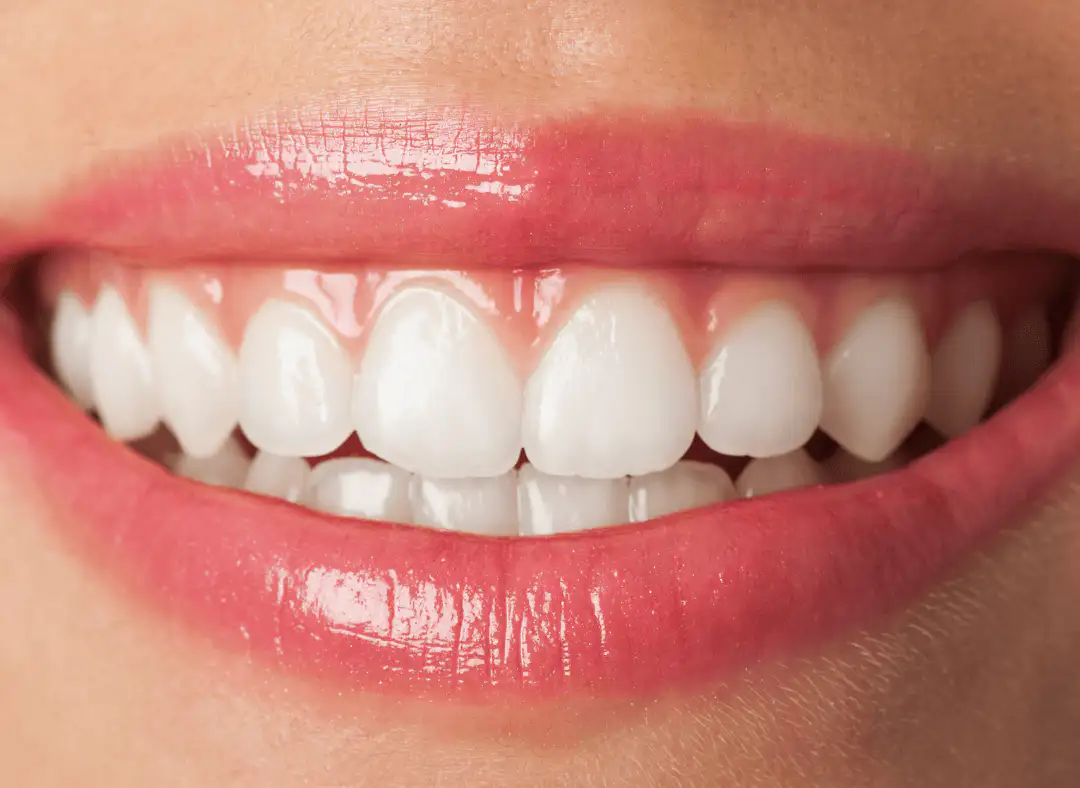

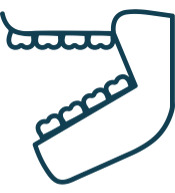


Our set of teeth has exceptionally important functions throughout our lives. The basic function of human dentition is biting, as well as tearing and grinding food. In addition, both teeth and the tongue play a significant role in speech and voice production.
The dentition therefore plays a key role in our body. Preserving our health and preventing related diseases is therefore an exceptionally important task in everyone's life.
The structure of human dentition
Our permanent dentition consists of a total of 32 teeth, with an equal distribution of 16 teeth in the lower jaw and 16 teeth in the upper jaw. The parts of the teeth from top to bottom are: crown, neck, and root. In terms of composition, our lower and upper jaws together contain 4 incisors each, 2 canines each, 4 premolars each, and 4 molars each.
The upper wisdom teeth Its crown is spade-shaped. Single-rooted teeth, the cervical cross-section of the roots is circular. The upper incisors are single-rooted, the end of which often curves towards the palate. The cervical cross-section of the roots is more elliptical. The lower incisors are similar to the lower canines, with single-rooted teeth.
The upper Canines They are strong and robust, with notably conical, large crowns. The lower canines are thick, strong, single-rooted teeth compared to the lower incisors.
The top first Molars Its crown has two cusps. In roughly 70%of cases, they are two-rooted. The upper second premolar has one root, and its crown also has two cusps. The lower first premolar is a single-rooted tooth with a crown possessing two cusps. The lower second premolar has one root, and its crown also has two cusps.
The above, first and second Molars The three molars have three roots. The lower first and second molars have two roots, which are wide and flat.
However, this still doesn't add up to 16. The remainder will be placed in the back of the lower and upper jaw with two each wisdom tooth which do not manifest in everyone – however, in those who do, they require increased attention, as they can be the source of numerous problems throughout our lives.
The lower third molar is the wisdom tooth, where both the shape of the root and the crown show a varied picture. Wisdom teeth that are in the wrong position can cause inflammation, decay, crowding, and even temporomandibular joint pain.
The growth of wisdom teeth It is worth monitoring them to prevent problems. In the case of unerupted teeth, a simple panoramic X-ray will determine if the tooth is in the correct position.
If the tooth's position is improper, there isn't enough space in the mouth, or its growth causes any symptoms, it's definitely worth seeking the help of a dentist, possibly to have the tooth removed.
The structure of our teeth
The outer layer of our teeth is the toughest tissue in the human body, the enamel layer and is composed of calcium, fluorine, and phosphorus, and does not contain living cells. The second layer of our tooth is softer and more flexible than enamel, a special bone tissue: the dentin, around our molar.
The stomach The pulp consists of loose connective tissue, which is interwoven with blood vessels and nerves. The blood vessels ensure the tooth's nutrient supply, and the nerves provide the tooth's connection to the nervous system. The exit point of the blood vessels and nerves is located at the apex of the tooth root, where the thickness of the cementum layer covering the tooth root is greatest.
Toothache is felt due to damage to the nerves that permeate the tooth. A painful tooth is a very unpleasant sensation, and it's best never to experience it, but if the worst happens, it's worth getting rid of the toothache as soon as possible and as painlessly as possible.
Tooth decay In this case, the process begins with damage to the outer enamel and, as a result of neglect, spreads all the way to the inside of the tooth. Decay eats through the dentine as well, and upon reaching the nerves, causes pain.
Regular dental check-ups, bi-annual dental hygiene treatments, avoiding acidic foods and drinks, and proper oral hygiene can prevent tooth decay.
If a tiny dark brown spot appears on the surface of the teeth, the surest sign of tooth decay, and reaches the tooth pulp, then only root canal treatment can help. If root canal treatment is necessary, please also request laser disinfection, as the use of a laser can further prevent the recurrence of inflammation in the root canals.
the fixation of our teeth with bone Jaw(mandible) and the JawboneThe inferiormaxillary process of the maxilla provides. It forms the junction of the jaw and the maxilla Temporomandibular joint, which can easily become inflamed in cases of malocclusion, tooth loss, clenching, and grinding, causing pain with every jaw movement.
With laser biostimulation, Pain can be reduced, bites corrected, and the relative positions of the upper and lower dentition improved through prosthetics, orthodontics, and various bite-raising splints.
Dental unit and its diseases
The bony attachment of the teeth in the alveolar processes to the gumsshall we call it. In the tooth sockets, the teeth are anchored by periodontal fibres. The anchorage is not rigid; during chewing, the teeth undergo microscopic displacement, which the periodontal fibres follow.
The function of the periodontal tissue is therefore to anchor the teeth and transfer chewing forces to the bones. In cases of periodontal disease, however, as a result of chronic gum inflammation, the fibres of the periodontal ligament break down, thereby weakening the anchorage of the affected tooth, which can lead to loosening and even loss of the teeth.
By recognising periodontal disease in time, we can prevent the weakening and decay of the gums. Bleeding gums and gingivitis are sure and stable signs that our gums are inflamed and it is time to seek the help of our dentist.
Once we've identified the problem, we can address it in time, but the best solution is to participate regularly every 3 months, or every six months. a routine, short dental check-up, for dental hygiene advice.
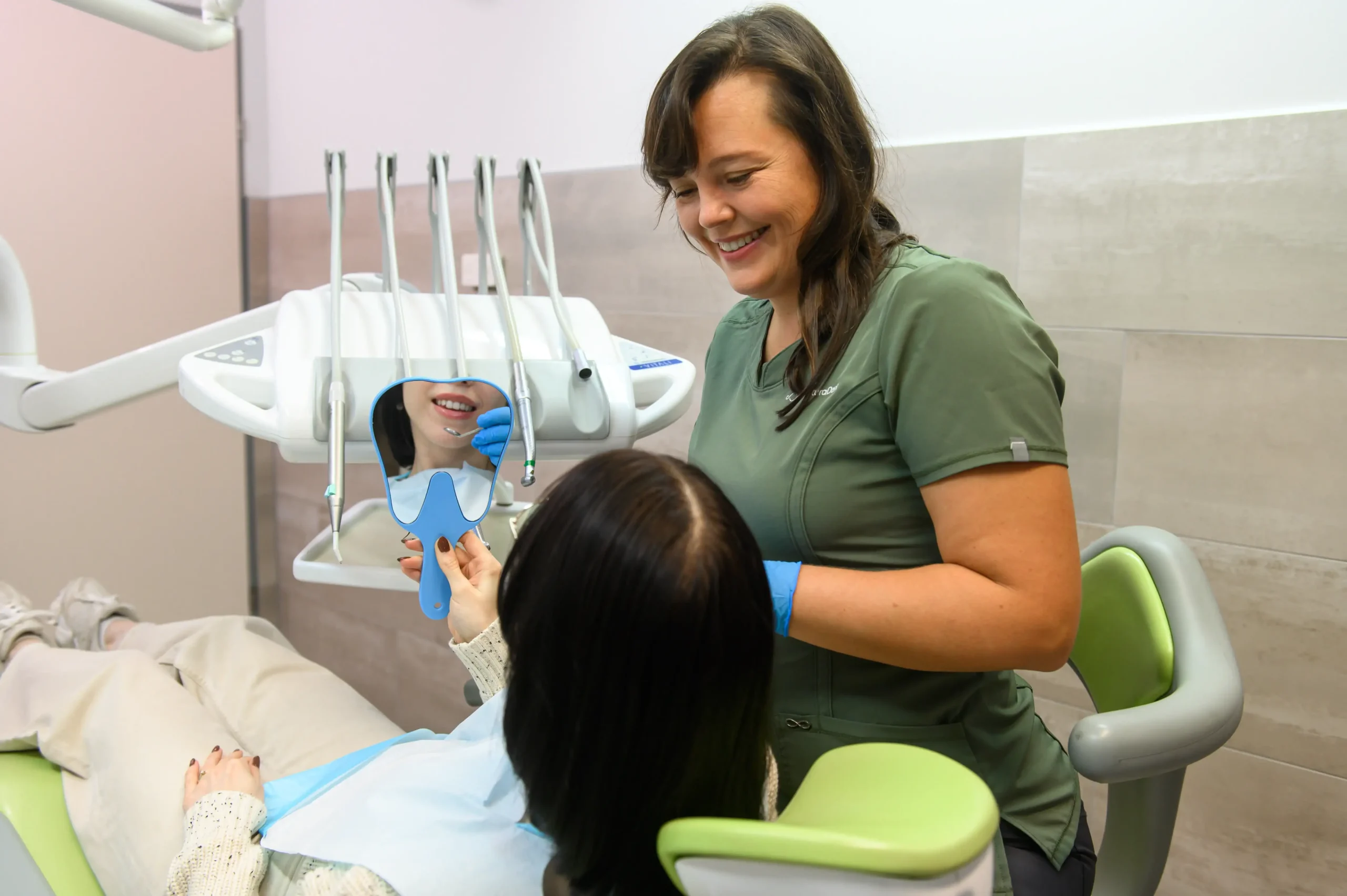
We have nothing to lose. If a problem arises, it can be quickly dealt with in time, and if there is no problem, we can get up from the dentist's chair with peace of mind.
We welcome you in our practice!
If you have any questions regarding the health of your teeth or our dental treatments, please ask. our dentists, our dental hygienists with your help. Our experienced, well-prepared, caring, and always cheerful team members are happy to be at your and your family's service with their full expertise.