



Tartar removal, descaling
Tartar is a substance similar to limescale that adheres to the surface of the teeth, in the spaces between the teeth, and even below the gum line. The formation of tartar is a natural process resulting from our modern way of life., however, if we don't take care to have it removed at least twice a year, it can cause gingivitis, periodontal disease, bad breath, tooth decay, and even tooth loss.
Proper oral hygiene, including brushing twice a day, flossing, and regular dental check-ups, plays a crucial role in prevention. tartar removalNak.By establishing a precise dental care routine, tartar formation can be minimised, and thanks to regular tartar removal, the chances of developing diseases caused by tartar can be reduced.
In our article, we have summarised the most important information worth knowing about the formation, prevention, removal, and dangers of tartar.
This is how tartar forms
The formation of tartar is a completely natural process; its deposition on teeth is unavoidable even with proper oral hygiene. Through regular brushing, mouthwash, and flossing, most food debris and plaque on the teeth can be removed, though not entirely.
The plaque left on teeth accumulates over time and a layer of plaque full of bacteria, also known as Plaque forms. This forms tartar through a chemical process called mineralisation, which takes place in saliva.
In more severe cases, tartar is clearly visible to the naked eye, can be yellowish, greyish or brownish in colour, and can lead to a serious aesthetic problem.
It's worth keeping in mind that tartar can form not only on the visible parts of the teeth but also in the gaps between teeth and under the gums. Tartar found under the gums is difficult to see with the naked eye, but its removal is particularly important to prevent gingivitis, gum recession, and periodontal disease.
The rate of tartar formation, as well as its quantity, is entirely individual., primarily influenced by eating and oral hygiene habits, lifestyle, and genetic predisposition.
As the name suggests, tartar is in a completely solid state and adheres strongly to the surface of the teeth. Unlike plaque, it can no longer be removed at home by brushing or flossing, and definitely requires professional dental hygiene treatment in the surgery.
What Diseases Can Regular Tartar Removal Help Prevent?
Regular tartar removal is an essential part of healthy oral hygiene, as the formation of tartar not only causes aesthetic problems but can also lead to numerous more serious issues. The professional removal of tartar is at least as important an element of oral hygiene as brushing your teeth twice a day or regular flossing.The hardened plaque, you see, provides an excellent breeding ground for various bacteria, which can cause numerous dental diseases.
The most common disease caused by tartar is gingivitis, the symptoms of which can initially appear harmless. First, minor gum swelling, redness, and gum bleeding may occur, but if left untreated, the inflammation can even reach the periodontium, which in the long term leads to tooth loosening and can also cause tooth loss.
The settling of cavity-causing bacteria in tartar can also cause problems. These pathogens severely threaten the health of our teeth, as they damage tooth enamel and accelerate the process of tooth decay.
Previously, dark, brownish spots can quickly appear on the surface of our healthy teeth, and after this, not only tartar removal but also decay treatment will need to be considered.
In the advanced stage of tooth decay, when the damage has already affected the inner layer of the tooth, the pulp, not only a filling but root canal treatment may also be necessary.
Regular dental hygiene treatments and tartar removal can prevent or eliminate the following dental diseases:
- Bleeding gums
- gingivitis
- Gum disease
- damage to our healthy teeth
- tooth decay
- Discoloured teeth
- loosening, loss of teeth
- unpleasant, stale breath
In our practice, we also place great emphasis on performing thorough teeth cleaning before certain dental treatments, such as oral surgery.
Dental hygiene treatments can achieve maximum cleanliness and remove bacteria from the oral cavity that can cause inflammation after treatment, thus preventing complications.
We would like you to avoid these unpleasantries as well. Therefore, it is advisable to brush your teeth thoroughly three times a day and visit your dentist twice a year. to our dental hygienist to perform the current tartar removal.
How can you check the current status of your dental calculus now?
- Consider when you last had a scale and polish. If it was more than 6 months ago, then it is certainly due, and it would be worth visiting our dental hygienist.
- Examine your lifestyle. If you smoke regularly, consume a lot of dairy products, or only brush your teeth once or twice a day, then the average of 6 months could be significantly shorter for you.
- Run your tongue along the meeting point of your teeth and gums, both outside and inside. If it glides smoothly and silkily without obstruction, there's no problem yet. However, if you feel fine or rough grooves and roughness, you have tartar, and it's time for a professional tartar removal.
If you have found tartar with the help of your tongue, or if your lifestyle puts you at a higher risk of tartar build-up, or if for any reason you haven't seen a dental hygienist for more than 6 months, we recommend that you visit our practice and seek the help of our dental hygienists.
This short treatment can ensure the health of your teeth for many years to come.
The What is included in the price of tartar removal??
At Naturadent, tartar removal is an extremely important health-preserving treatment, which is why we place great emphasis on ensuring high-quality and thorough treatments.
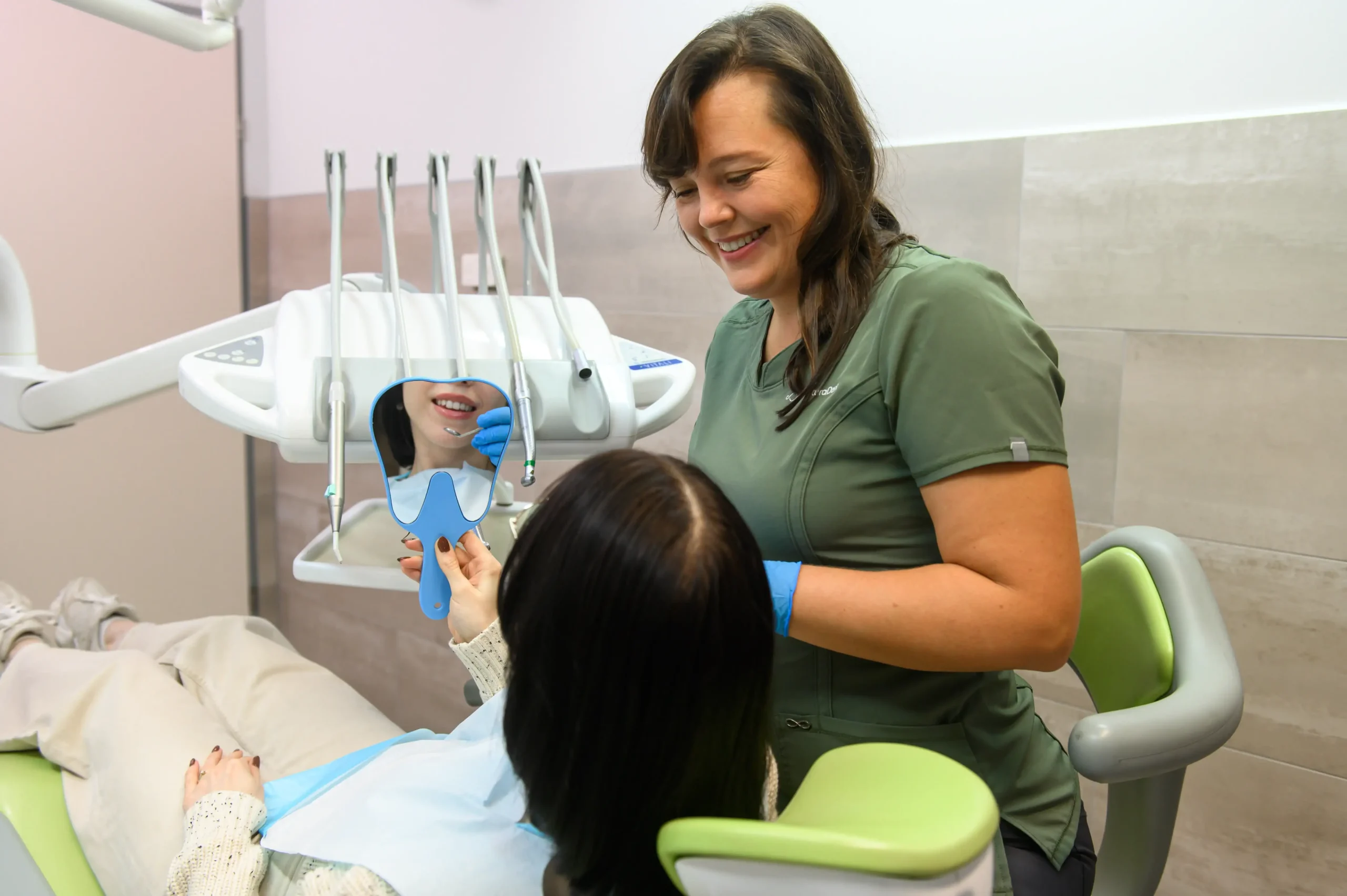
Our dental hygienist colleagues clean our patients' teeth with the utmost care and precision, so that everyone leaves our practice satisfied and with a healthy smile.
Our professional dental hygiene treatment includes the following services:
- Dental hygiene specialist consultation
- Painless ultrasonic dental calculus removal for the entire dentition (both upper and lower).
- Pearl sandblasting
- Flossing
- Tooth polishing with rubber cups, paste, and brush
- Personalised dental hygiene and oral care advice
- free dental hygiene check-up
How long does ultrasonic tartar removal take?
Everyone likes to get dental treatments over with quickly, but of course, nobody likes to experience shoddy work.
The length of a dental calculus removal treatment primarily depends on the extent, location, and severity of the calculus. The process typically takes 40-60 minutes, during which our experienced dental hygienists remove calculus not only from above the gum line but also from below the gum line and from hard-to-reach interdental spaces.
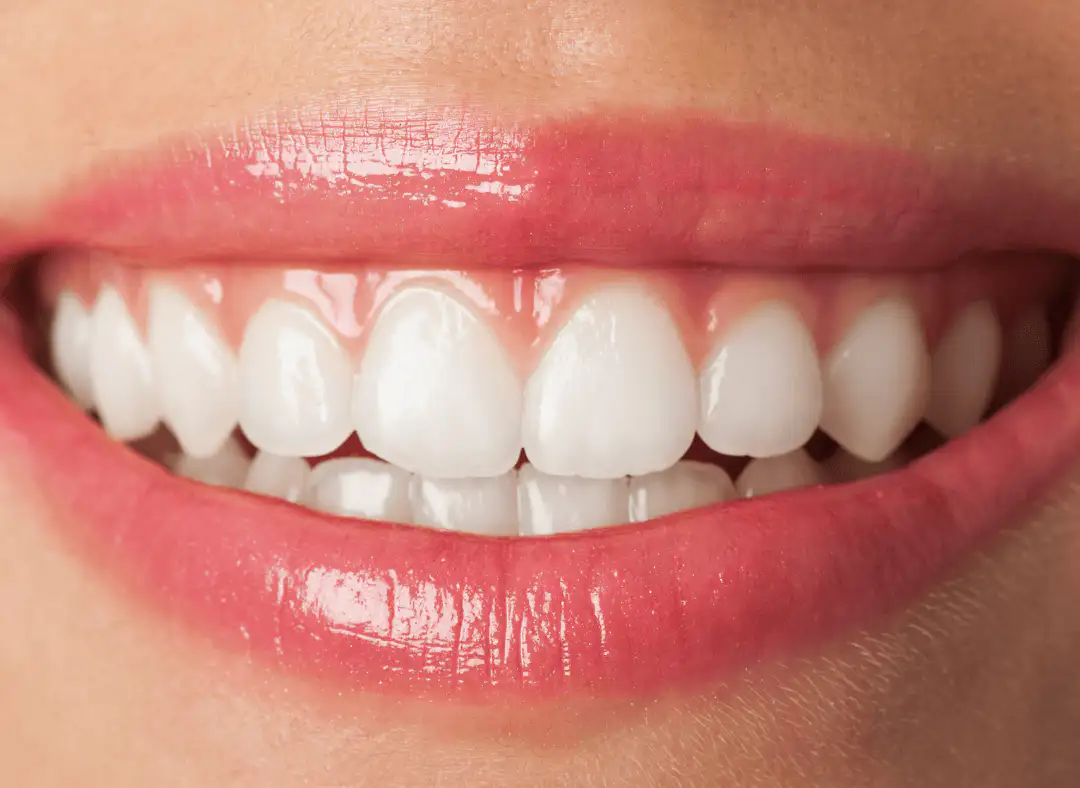
After thorough tartar removal using pearl sandblasting and polishing, your teeth will shine with even greater silkiness and cleanliness.
At Naturadent, our experienced, qualified dental hygienists perform 6-8 tartar removal treatments daily. However, thorough work cannot be completed in half an hour, so we allocate approximately an hour for each patient for the treatments described above.
We welcome you in our practice!
Ask for the help of our dentists and dental hygienists to remove tartar, perform scaling, treat your gums, and clean your teeth. Our experienced, well-prepared, caring, and always cheerful team members are happy to assist you and your child with their complete expertise, up-to-date knowledge, care, and full attention.