



Many of our patients experience regular, sometimes even daily, gum bleeding, yet few realise the potential severity of the dental conditions that may lie behind the symptoms.
Bleeding during tooth brushing, which can occur every day, is not at all natural and should not be overlooked or ignored!
Some 90% of the Hungarian population is affected by gum bleeding%, and due to neglected symptoms a felnőttek közel 20%-ánál alakul ki súlyos fogínygyulladás vagy fogágybetegség, which, if left untreated, can even lead to tooth loosening and loss. It is therefore worth paying attention to every small signal from our body and taking gum bleeding seriously.
In our article, we present what can cause bleeding gums, when you should see a dentist about the problem, and how it can be treated at home or professionally.
Gingivitis, periodontitis
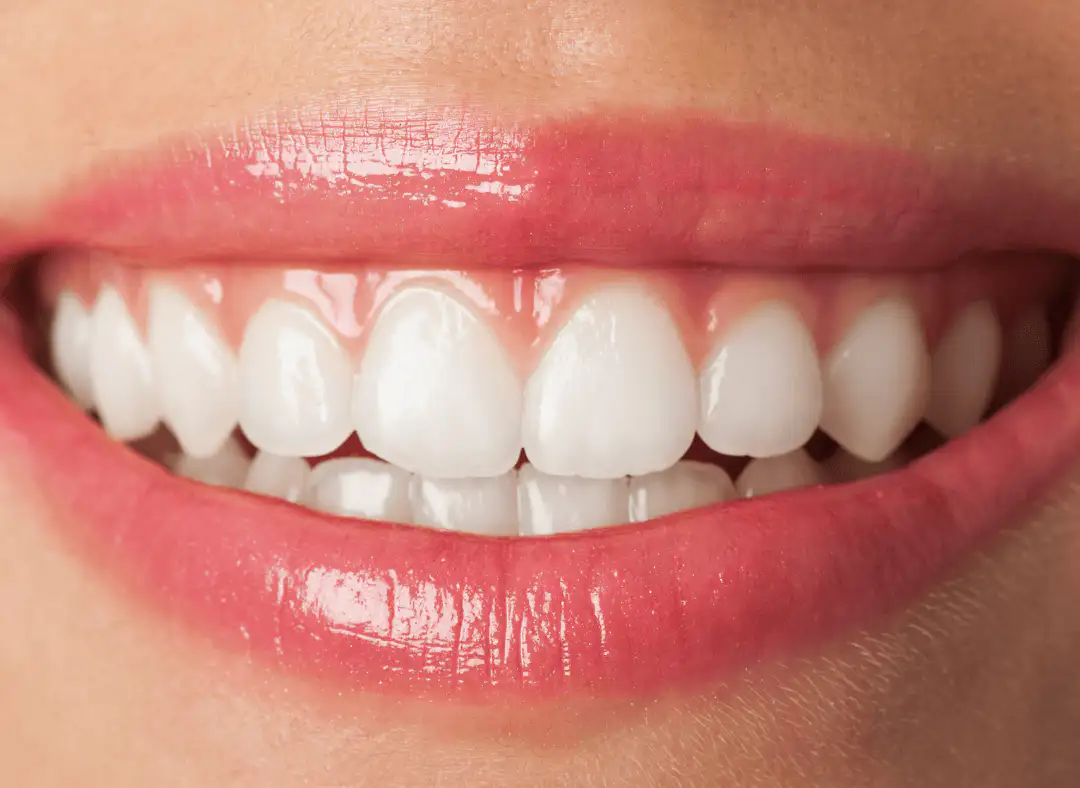
Healthy gums are pale pink, firm, skin-like tissue that lies closely around the teeth, covering the bone and providing stable support for the teeth. Healthy and firm gums are essential for robust teeth, serving as protection and a secure foundation.
If the colour of your gums turns dark red, they are sensitive to the touch, they bleed during brushing, and this is observed regularly over consecutive days, it suggests an imbalance in the healthy equilibrium of your teeth and gums.
The most common gum problems are caused by tartar formation, which develops from plaque. Despite regular brushing and flossing, plaque builds up on teeth, under the gums and in the gaps between teeth. This layer solidifies over time and turns into tartar. The bacteria found in it cause the symptoms of gingivitis and gum bleeding. Tartar cannot be removed with home remedies., definitely professional, carried out by a dental hygienist A cleaning treatment is required.
Bleeding gums can often be caused by an unhealthy, nutrient-poor diet. For our body to function healthily, and therefore to For the integrity of our teeth and gums, we also need, for example, vitamins D and C, calcium, and magnesium.. If these vitamins and minerals are lacking in the body, it can also cause frequent gum bleeding.
Furthermore, dental and gum diseases are also common during pregnancy due to hormonal changes. For expectant mothers It is especially important to pay attention to tooth cleaning, as Bleeding gums, gum disease and periodontitis can even lead to tooth loss.
Those, Smokers are particularly affected by dental and gum problems..
Cigarette smoke introduces various toxins into the body, contributing to gum inflammation. Furthermore, smoking complicates the treatment of existing gum problems by reducing the body's resistance to inflammation.
When to see a doctor for bleeding gums
For example, gum bleeding can also be caused by a minor injury from using a new, harder-bristled toothbrush, but in such cases, the bleeding can be experienced for a maximum of two days.
If your gums only bleed for a few days, it's likely due to using the wrong toothbrush or too aggressive brushing techniques. In this case, changing your habits will stop the gum bleeding.
If gum bleeding has been ongoing for several days, even weeks, during your daily brushing, it’s already worth booking a dental consultation., where the dentist can precisely determine the extent of the problem.
If, in addition to bleeding gums, you experience unpleasant symptoms such as soft, dark-coloured gums, painful brushing, bad breath, sensitive gums, or receding gums, it is advisable to seek professional help as soon as possible.
These can also be symptoms of advanced, severe gingivitis or periodontal disease, which require treatment from a dentist.
Treatment options for gum bleeding
There are several options for stopping bleeding gums, depending on the cause of the bleeding gums and the extent of the inflammation behind the bleeding gums.
Proper oral hygiene
Gum bleeding can be prevented and, in many cases, eliminated by removing plaque and bacteria from your teeth. by establishing the correct brushing technique and personalised selection of cleaning toolsWe can already do a lot to maintain the condition of our teeth and gums.
To choose a manual or electric toothbrush with the appropriate hardness, it is worth seeking the help of an expert dental hygienist. A brush with bristles that are too hard can injure the gums, and incorrect brushing technique can cause small injuries to the gums, which can lead to bleeding. Besides the poor brushing technique, the gum recession can lead.
In addition to brushing your teeth, it is also recommended to use dental floss or interdental brushes to remove plaque and bacteria from between your teeth, as this can help prevent plaque build-up even in hard-to-reach areas.
However thorough your home dental and oral hygiene may be, twice a year professional dental scaling We also recommend dental hygiene treatment for our patients.
Professional dental hygiene treatment
Despite appropriate brushing techniques and thorough oral hygiene, tartar will eventually form on our teeth. This is an unavoidable process, as it is virtually impossible to clean every tooth perfectly with everyday oral care tools.
For overcrowded, closely spaced teeth, it is not easy to reach the gaps between them, and cleaning hard-to-reach molars and wisdom teeth is similarly complicated.
Therefore, it is necessary at least twice a year professional dental hygiene treatment to participate.
In our practice, tartar removal is carried out using a special ultrasonic method. The so-called ultrasonic scaler gently cleans the teeth without damaging the tooth enamel.
The next stage of cleaning is bead blasting, which removes all dirt and tartar residue. We finish the treatments with polishing, which results in a smoother tooth surface and whiter teeth due to the removal of staining.
Following the cleaning, our dental hygienists also provide personalised cleaning advice, covering correct brushing techniques and discussing the tools that best suit the patient's needs.
Our colleagues will be happy to answer any questions you may have about dental care.
The healing of persistent gum bleeding and periodontal disease with laser treatment
We already know that persistently neglected bleeding gums can lead to gingivitis.
If gingivitis is not treated in time, it can develop into periodontal disease over time. If the inflammation in the gums is not treated for a long time, it can spread to the periodontium, which is the supporting structure of the tooth, and periodontitis can develop.
The inflammation damages the tissues surrounding the tooth, and also attacks the bone tissue, causing loosening of the tooth and the formation of painful inflamed pockets, ultimately leading to tooth loss.
This condition can now only be cured with professional treatment at a dental practice, one of the gentlest and most painless methods of which is Laser curettage.
Thanks to the laser dental instruments used exclusively at our clinic, periodontal disease can also be effectively treated. During curettage, we remove bacteria causing inflammation, dead tissue due to inflammation, and inflamed tissue itself using a laser. Thanks to the beneficial effect of the laser, we also disinfect the treatment area, promoting quick healing free from unpleasant symptoms.
Prevent gingivitis!
In terms of gum health, our most important task in daily dental care is to prevent, detect, and, if necessary, have gingivitis treated by a dentist.
The first and most important factor in preventing gingivitis - and most dental problems - is the Establishing correct dental care and cleaning habits. Brush your teeth thoroughly for at least 1 minute, twice a day, paying attention to the correct technique. We should use dental floss or an interdental brush every other day to clean hard-to-reach areas, and also rinse with a cleansing, disinfecting mouthwash.
We can do a lot with our lifestyle and diet to avoid gum inflammation.
Let's give up smoking and eat a balanced diet, let's eat foods that contain different Dental vitamins We should avoid consuming overly acidic and sugary foods and drinks, or at least moderate them in our diet. This can help prevent not only gum inflammation, but also tooth decay.
Make it part of our routine to Scale removal, and let's participate biannually dental hygiene adviceTwice yearly, one hour, with a painless cleansing treatment We can also reduce the risk of gum disease and tooth decay.
Pregnancy We should pay special attention to the condition of our teeth and visit the dentist and dental hygienist regularly. If necessary, we should have our teeth cleaned every 2-3 months to prevent tooth loss caused by hormonal changes.
After meals, wait at least 10-20 minutes before brushing your teeth! The acid in food can soften tooth enamel, so if you brush your teeth immediately after eating, you will not only remove food debris, but also damage your tooth enamel. Wait after meals, then Let's start brushing our teeth with a simple water rinse..
We welcome you in our practice!
If you regularly experience bleeding gums when brushing, your gums are dark red, soft, loose, or sensitive to pressure, you likely have gingivitis.
Early gingivitis can be cured with attention and appropriate treatment, and the development of serious periodontal disease can be prevented by eliminating the inflammation!It's not worth delaying treatment, as the treatment of gingivitis, which causes bleeding gums, is carried out in our practice with the utmost care and is completely painless.
Entrust your gum disease to our expert colleagues, and allow us to help preserve the health of your teeth and gums!
Ask our dentist and dental hygienist colleagues for help in restoring your gum health! Our experienced, well-prepared, and caring team members will be happy to assist you with their full expertise, up-to-date knowledge, care, and all their attention.