



Many people live under the misconception that tartar is purely an aesthetic inconvenience. In reality, however, it can trigger a very serious domino effect concerning the teeth, and its persistent presence can even lead to tooth loss.
Fortunately, there are now very effective and painless methods to get rid of this problem. One such example is available at NaturaDent ultrasonic descaling, which is dental hygiene treatments among one of the most frequently used services.
What you need to know about ultrasonic plaque removal
Below we have gathered all the important details about ultrasonic tartar removal, but we will help you understand the specificities of tartar, and even answer frequently asked questions.
What Is Tartar?
The first and most important thing regarding this topic is the definition of tartar. Many people don't know this, but tartar is nothing more than hardened, calcified plaque, which adheres to the teeth so stubbornly that brushing or any other home method is insufficient for its removal.
If someone is more prone to it or circumstances prevail within the oral cavity, the process of tartar formation is always very rapid. It is characteristic that the hardening of plaque on the tooth surface begins almost immediately after meals, which is why regular brushing and oral hygiene are important.
If plaque is not removed by brushing properly or with other aids – interdental brushes, dental floss – a thin layer then forms on the tooth surface. This first becomes dental plaque, then calcifies as minerals found in saliva precipitate.
This practically calcified plaque is called tartar.
How do we know if we have tartar on our teeth?
Tartar has very distinctive external characteristics, so its appearance on the surface of the teeth is immediately recognisable. Initially, it usually appears as a yellowish plaque, which cannot be removed by any method, even vigorous brushing.
Later, this deposit – often due to lifestyle or harmful habits – can turn brown or even black, meaning it is immediately recognisable and distinguishable from traditional plaque.
Its identification is also made easier by the fact that it is most often found on the surface of the tooth, but it can also hide under the gum and even in the interdental spaces. Another characteristic is that it is so solid and adheres so strongly to the tooth that it cannot be removed by traditional home methods.
The typical complaints associated with tartar also include the patient frequently experiencing unpleasant tastes, which consequently leads to a characteristic Bad breath which cannot be improved even with brushing. Also common is gum bleeding after brushing due to tartar on the teeth.
Why is tartar removal important?
Unfortunately, there are many misconceptions about tooth decay (caries) circulating among people. Some people have difficulty recognising it, while others believe that since it is only an aesthetic problem, it does not need to be addressed, even though the situation is far from simple.
The tartar deposited in larger quantities significantly detracts from the aesthetic value of the teeth, negatively affecting appearance in the case of front teeth, but it can also have much more serious complications.
Tartar is the most common cause of gingivitis
The reason tartar is particularly dangerous is that the deposit provides an excellent breeding ground for pathogens living in the mouth. These include more aggressive bacteria, which can initially cause tooth decay, but later lead to more severe changes.
Examples include gingivitis, or more commonly known as gum inflammation, as well as periodontitis, which is gum recession. These changes, of course, do not occur overnight but are due to processes stemming from neglected oral hygiene.
Initially, the process typically starts with general gingivitis, which may disappear and then return, but swollen, reddish, bleeding, sensitive, and painful gums during brushing gradually become a persistent problem.
It can easily lead to gum recession and tooth loss
If the cause of gingivitis is not identified and, in effect, left untreated, the next stage is periodontitis. In this condition, the inflammation causes tissues and bones to begin to break down, and then a so-called pocket forms between the tooth and the gum, which in all cases requires dental intervention.
These pockets cannot be cleaned with traditional or at-home oral hygiene methods, thus perpetuating bad breath and gum inflammation, which can lead to tooth loss with the deterioration of the patient's condition.
It is important to note that periodontal disease, also known as gum atrophy Most often it develops as a result of gingivitis, which is caused by plaque.
However, there are also other illnesses, conditions, and even harmful habits – such as smoking – that can either promote the appearance of periodontitis or make the course of an existing condition more severe.
However, we can nip this destructive process in the bud by regularly having tartar removed, alongside proper oral hygiene.
How Does Ultrasonic Scaling Work?

Why is ultrasonic technology so effective in tartar removal? This is mainly because ultrasonic scalers developed for direct dental use, i.e. for professional use, are capable of power ratings of up to 24-42,000 Hz.
With this frequency, a type of special vibration can be generated, while the device atomises water, and as a result of the process, tartar chips off without any damage to the tooth surface whatsoever.
From the principle of operation, it is already evident that ultrasonic tartar removal is a completely painless form of treatment, which is also extremely effective, as the technology is functional even in areas that are not visible or are difficult to access.
Home tartar removal methods are best avoided.
The World Wide Web is full of questionable advice and tips on how to effectively remove tartar at home with DIY remedies. It is important to point out here that these are almost invariably ineffective or dangerous.
Many sources suggest ingredients for this purpose that can damage the tooth surface and even the oral mucosa, while having no effect or only a negligible effect on tartar itself.
Ultrasonic plaque removers for home use are now available, which operate on a similar principle to the solutions used in dental practices, but are not as effective. On the one hand, they have lower power output, and on the other hand, they are not handled by trained personnel.
Ultrasonic scaling, for example, has its own steps and preparations, and we can cause serious damage to our teeth and the integrity of our oral hygiene if we embark on at-home tartar removal unprepared. Even if we've bought an expensive device for this purpose, we can easily cause irreversible damage with it!
Home remedies are not recommended in this regard at all, as experience shows that people often do more harm than good with them.
The procedure for ultrasonic dental calculus removal
Ultrasonic descaling is always a multi-step process. For thoroughness, the individual steps cannot be skipped or swapped, and we'll explain why below.
Ultrasonic descaling
The tartar removal itself is completely pain-free in most cases, with at most minor discomfort. However, it's important to know that the process is far from over with the physical removal of tartar!
Tooth polishing and cleaning
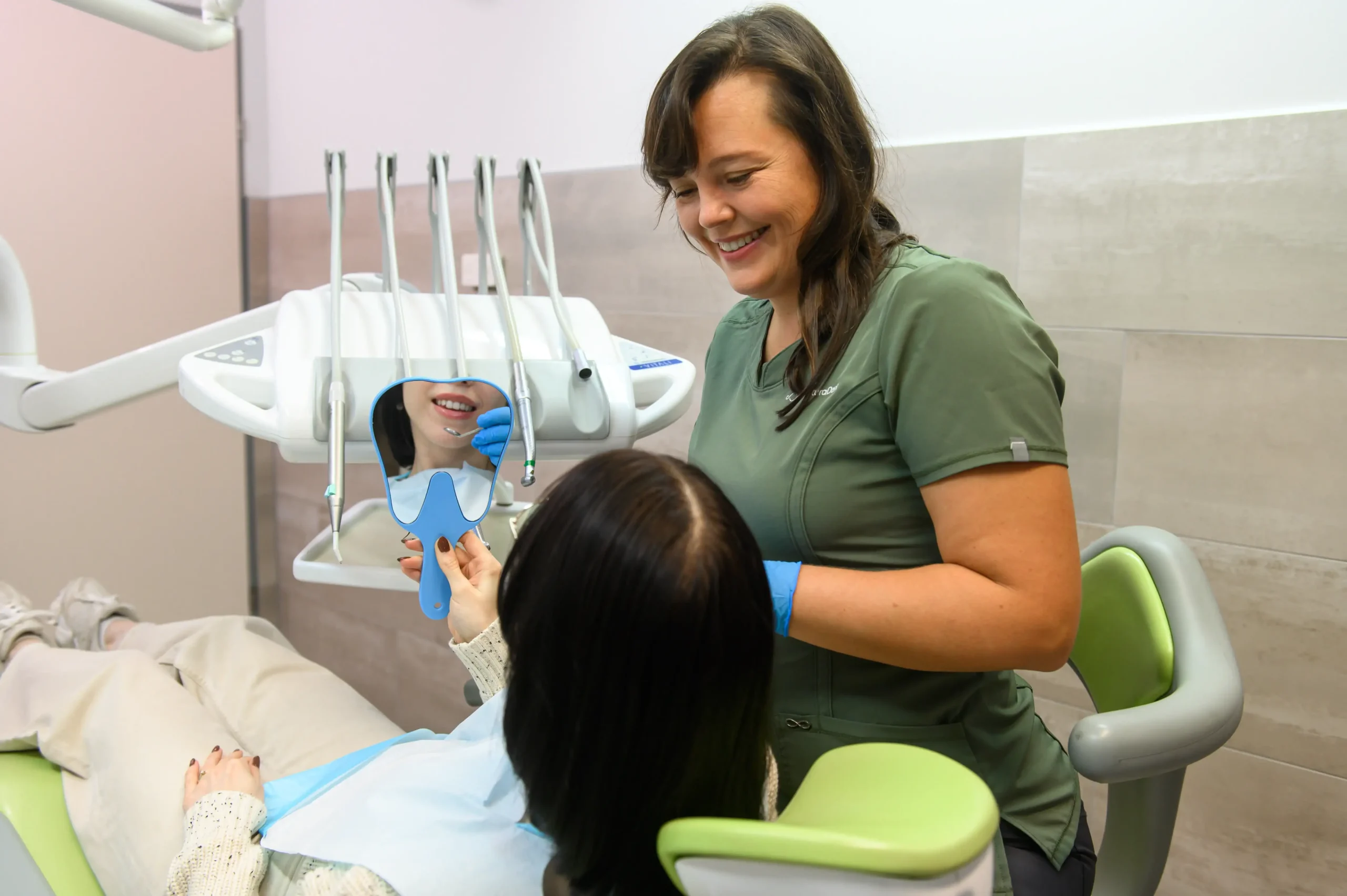
An important step in the procedure is that after scaling plaque, the teeth are cleaned and polished. The former is usually done with special manual and mechanical tools so that they can reach the teeth gaps that are difficult to access.
Only after this stage, the teeth are polished. For this, professionals use a special polishing brush and paste, which allows the surface of the teeth to become even smoother and cleaner. This procedure is very important so that plaque cannot cause problems again in the short term.
Consultation
The final step of ultrasonic tartar removal is always professional consultation and motivation to achieve proper oral hygiene. This is because many people brush their teeth incorrectly or do not use accessories that could prevent or delay tartar buildup.
The dentist or dental hygienist performing the intervention will give useful advice, guidance, and motivation for proper brushing, or for using accessories such as interdental brushes or dental floss.
The advantages of ultrasonic tartar removal
- The aesthetic appearance of the tooth improves, thereby boosting the patient's confidence.
- It promotes the sustainability of oral hygiene.
- It enhances the sense of comfort.
- It eliminates gum inflammation and related dental problems.
- A pain-free and effective solution for tartar.
Frequently asked questions about ultrasonic plaque removal
How long does ultrasonic descaling take?
The duration of the treatment is always determined by the condition of the teeth, thus depending on the size of the area to be treated and the extent of tartar build-up. At NaturaDent, a thorough treatment by a qualified dental hygienist takes approximately 60 minutes for the entire procedure.
How painful is ultrasonic dental scaling?
A common misconception among people is that tartar removal is a painful procedure. However, with ultrasonic technology, it is entirely pain-free, as it affects only and strictly the tartar, without damaging the tooth itself or its surface.
In some cases, patients may experience sensitivity at the neck of the tooth. This is particularly characteristic of larger tartar deposits near the gum line. In such instances, a surface anaesthetic and an anaesthetic injection can be requested from your dental hygienist at NaturaDent, ensuring complete painlessness.
Does ultrasonic descaling whiten teeth?
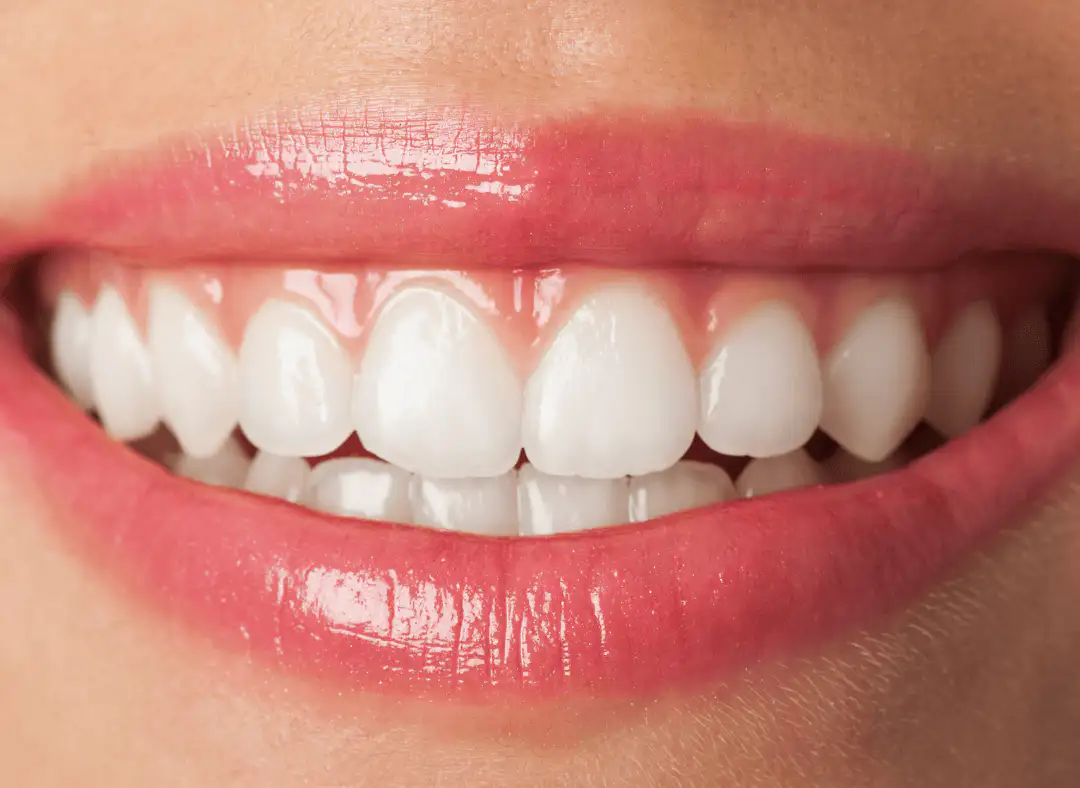
Since tartar is a significant aesthetic problem, the parts of the teeth hidden by the yellowish-brown tartar will become visible during ultrasonic tartar removal, the appearance of which can aesthetically result in the effect of whiter teeth. Not only is tartar removal, but also the polishing associated with the process, making the teeth more beautiful, healthier, and appear whiter. However, it is important to highlight that ultrasonic tartar removal is not a tooth whitening procedure; we cannot expect a demonstrable shade whitening of our teeth from it.
This will make our teeth feel and look cleaner. This is especially true if the treatment is carried out with polishing and bead blasting, as it achieves a much smoother and cleaner finish, even in hard-to-reach areas, compared to traditional methods.
When is ultrasonic plaque removal not recommended?
Fundamentally, we can speak of a safe and established technique regarding ultrasonic dental calculus removal. However, its use is not recommended for patients with pacemakers, as the use of ultrasonic equipment should be avoided for them.
However, there's no need to worry, as the dental hygienist at NaturaDent removes tartar using sonic methods and traditional hand instruments, which is just as gentle as the ultrasonic procedure.
What should we pay attention to after ultrasonic descaling?
In some cases, patients may experience sensitivity in the cervical area of the tooth after treatment. This is particularly typical if the tartar was extensive and had already appeared in the area in question.
This can sometimes cause teeth to become temporarily sensitive, particularly to cold, heat, sweet, or sour foods, but this discomfort can be eliminated within a few days with the right toothpaste. If the sensitivity does not decrease, it can be completely eliminated with a laser treatment to reduce tooth neck sensitivity.
It is important that after tartar removal, eating is not recommended for at least 2-3 hours, especially foods that have a strong staining effect. Of course, drinking is allowed, however, it is essential to stick to water, so avoiding coffee, red wine, or sugary and carbonated soft drinks is highly recommended.
What can we eat after a dental descaling? - Eating advice for quick healing
After tartar removal, the oral mucosa and gums can be particularly sensitive, so it's advisable to be mindful of what you consume in the first 24 hours. If possible, avoid eating anything for 2-3 hours after treatment, and then opt for soft, lukewarm foods such as cream soups, steamed vegetables, boiled rice, or plain mashed potatoes.
Avoid dairy products, acidic and spicy dishes, and any food or drink that is too hot or too cold. Coffee, red wine, carbonated soft drinks, and alcoholic beverages can irritate the freshly treated area and can also cause discolouration.
It is also important to clean your teeth the day after treatment with a soft-bristled toothbrush, preferably with toothpaste for sensitive teeth. If you experience mild bleeding or gum sensitivity, it is completely normal – however, if this does not subside after a few days, it is worth requesting a check-up.
It is recommended to have an ultrasonic dental descaling every six months.
A standard answer cannot be given to this question, as it depends on numerous factors. For example, the condition of the patient's teeth and gums, previous periodontal treatments, and even age and lifestyle.
The general recommendation is that it may be needed at least once every six months, but since plaque forms practically continuously on the teeth, quarterly ultrasonic plaque removal, for preventative reasons – and by no means just for aesthetic ones – cannot be considered uncommon.
Common mistakes after tartar removal – how to avoid them
Although tartar removal is a routine procedure, many patients make mistakes after treatment that slow down healing or cause discomfort. By avoiding the following mistakes, your mouth will regenerate faster and the results will be more long-lasting:
- Early meal: Eating immediately after treatment may irritate the sensitive area. Please wait at least 2-3 hours!
- Dairy product consumption: The bacteria in dairy products can promote the development of infections – therefore, they should be avoided on the day of treatment.
- Vigorous brushing when cleaning teeth: Many patients scrub the treated area too vigorously. Let's use a soft-bristled brush and a gentle technique.
- Staining foods and drinks: Drinking coffee, tea, red wine, or beetroot-based foods immediately after treatment can cause new discolouration.
- Smoking and alcohol: Not only do these irritate tissues, but they also hinder healing and increase the chances of inflammation.
- Ignoring dry mouth: Saliva is a natural defence – if not enough is produced, ensure adequate fluid intake and hydration.
If you are unsure, seek advice from a qualified NaturaDent dental hygienist. Even a small oversight can have long-term consequences – but with a little attention, the days after treatment can also be pleasant.
How much does ultrasonic scaling cost?
The the reasons for price differences in tartar removal We explain this in our detailed guide.
The ultrasonic descaling is available as part of a dental hygiene package deal at NaturaDent. Our current prices kattintsatok ide Found it!