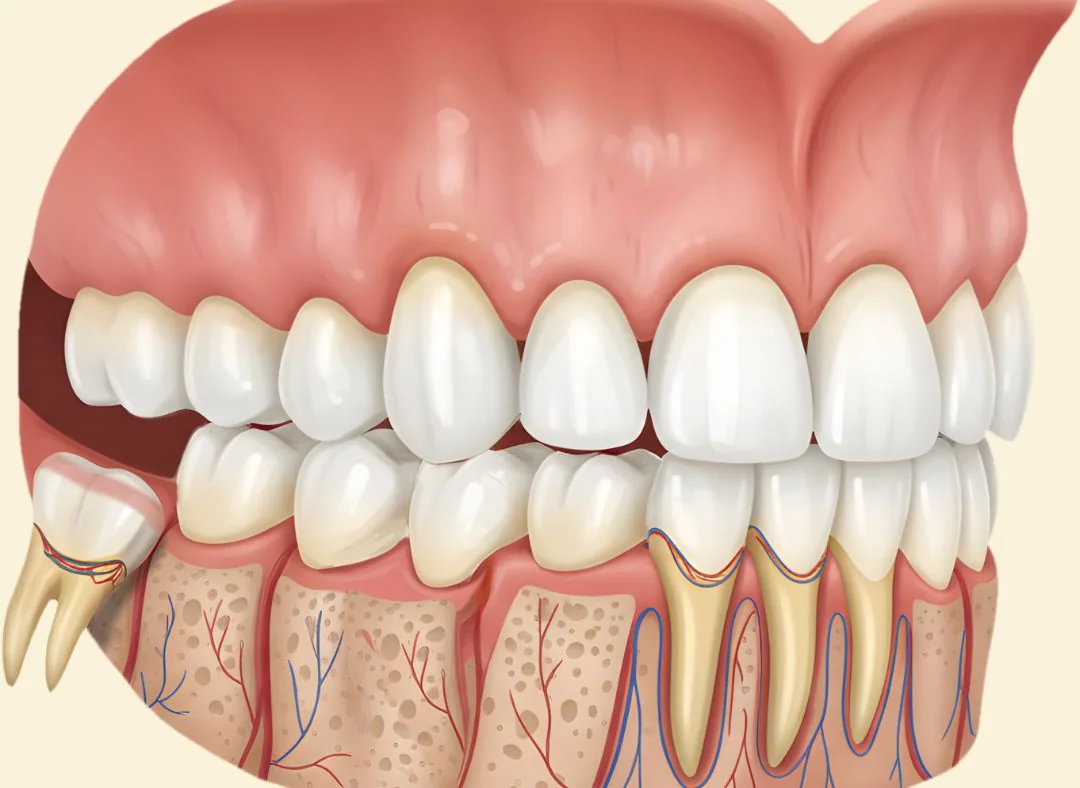




A throbbing toothache, sensitivity to biting or swollen gums may indicate that there is inflammation around the tooth. If the pain is accompanied by facial swelling, a fever or pus, seek urgent dental treatment. If you have difficulty breathing or swallowing, seek immediate emergency assistance. In Hungary, call 112. Egészségvonal – toothache and swelling of the face
Causes of an inflamed tooth - the background to your dental problem
There can be several causes of a tooth infection, and one of the most common is poor oral hygiene.
Tooth decay As a result, tooth enamel thins or can disappear completely, meaning that various bacteria and food debris can easily enter the tooth, multiply there, and cause severe tooth inflammation.
This can be very painful, often accompanied by pain and an abscess full of pus, which contains bacteria that the body has isolated.
The side effects and symptoms of an inflamed tooth can also be caused by overuse, which is the overuse of a particular tooth. So, If we chew too much on one side, the tooth can become overloaded, during which it can become inflamed.. This results in swelling, redness, and sharp pain in the affected area.
In addition to tooth inflammation, chronic pulpitis, root remnants, cysts, foreign bodies, gingivitis (periodontitis), chronic inflammation of the jawbone, root canal treatment, and certain gum or tooth injuries.
The dentist will be able to determine the cause of the inflamed tooth and then explain how to treat it.
Side effects and symptoms of an inflamed tooth - if left untreated
An infection originating in a tooth can affect the tissues surrounding the tooth root. An abscess may also develop, and without treatment, the infection can spread to the tissues of the face or neck. Swelling, a fever, feeling unwell, an unpleasant taste in the mouth and difficulty opening the mouth can all be warning signs.
Pain originating from a tooth may radiate into the jaw, towards the ear or down the neck. Dizziness can have several causes, so it is not in itself sufficient to diagnose a tooth infection. If it recurs or does not go away, speak to your GP. Egészségvonal – dental abscess · NHS – dizziness
Even if a tooth that was previously very painful no longer hurts, it is still worth having it checked. The pain may subside when the pulp dies, whilst the infection may still be present. Egészségvonal – types of toothache
Side effects of an inflamed tooth, in the case of dental treatment
When treating an inflamed tooth, the first thing to do is to reduce the inflammation.
First, we clean the area, destroy the bacteria with a laser, and we may prescribe medication to further reduce inflammation.
Once the inflammation and swelling have subsided, the tooth microscopic root canal treatment We carry out this procedure, which is also performed using a laser, to treat the root of the tooth and protect it from further infection.
At our dentistry, we always try to save the tooth, but in some cases, unfortunately, tooth extraction is the most effective method. We only do this if the inflammation is so bad that root canal treatment cannot help.
The side effects of an infected tooth – How to avoid them
How can gum inflammation be most easily avoided? By regularly visiting our dentist. The annual general dental examination and a Professional dental hygiene treatment Extremely important.
These can help us maintain good oral hygiene and healthy teeth. And maintaining a healthy tooth is much more cost-effective than treating a major dental problem. In addition, of course, it is also important to take good care of your mouth and teeth every day at home.