The best and most modern currently available
Treatments, with world-leading dental technologies

Dental treatments, diagnostics

Our services Status assessment and consultation

Status assessment and consultation

Naturadent Treatment Plan: The Foundation for Your Teeth's Healthy Future

There are times in our lives when we feel sure we know what we need. But sometimes it turns out that we need something else to achieve our goals. It's good to have someone with us who can give us a perfect assessment of where we are and what steps we need to take to achieve what we really want.

The Naturadent comprehensive check-up is precisely about this. Our dentists will thoroughly examine the condition of your teeth and gums. They will give you a detailed description, outlining any challenges and suggesting solutions tailored to your needs and options. Once you have a detailed treatment plan in place, you can choose which of our state-of-the-art treatments is the optimal solution to achieve your goals in consultation with your friendly Naturadent specialist.


A full dental health check - what does it include?

In our comfortable, downtown office, our experienced and friendly professionals will help you identify existing oral, periodontal and gum-related lesions and provide accurate, written treatment plans and quotes. But that's not all, because the assessment includes dental advice that you can easily benefit from.

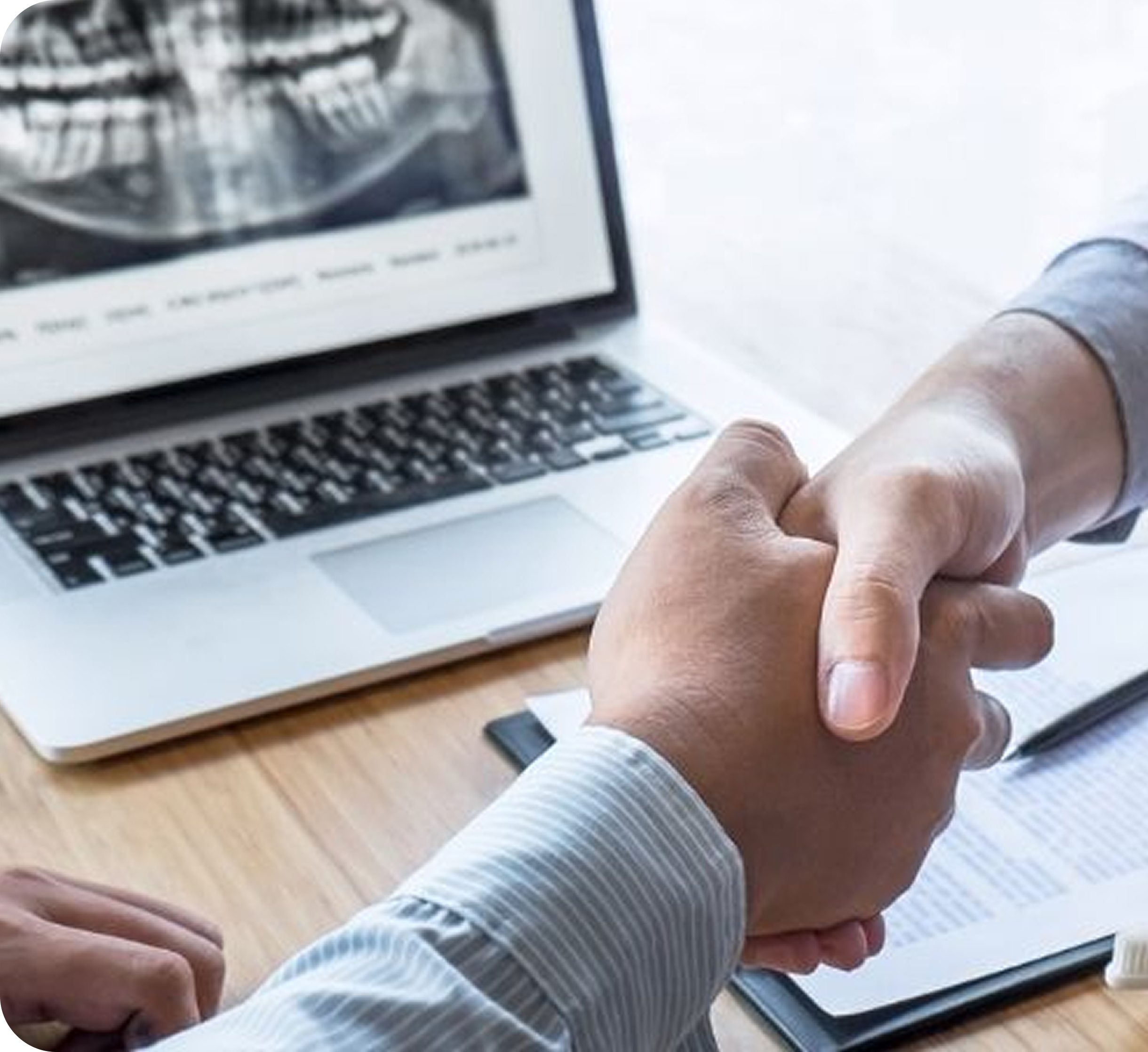
The oral examination is preceded by a digital panoramic X-ray. To ensure your complete protection and that of our colleagues, we have chosen a high-quality X-ray machine that emits the lowest possible radiation dose. Furthermore, during the X-ray imaging process, your body will be protected by a lead apron.

Panoramic X-rays show lesions, nodules, inflammations in the mouth that are not visible to the eye, hidden or at the root of the tooth. It can even detect larger cavities and unerupted teeth. If the dentist diagnoses inflammation or other problems on the basis of a panoramic X-ray, we may also take a separate X-ray of the affected tooth. The recording will help you to see the need for and the benefits of innovative treatments for teeth that may appear healthy to the naked eye.

The a detailed dental map helps us to create the most professional treatment plan, tailored to your dentition. The plan will include any minor abnormalities or lesions that may be important to treat in the future.

As part of our health check, we carry out full dental advice, during which you and your dentist will discuss and personally plan which dental treatments will be carried out. You will also learn useful advice and methods for perfect home dental care.

The team at Naturadent is committed to state-of-the-art, painless procedures and the latest technologies for any dental problem.

We welcome you to our comfortable practice in the city centre.

Collarbone lift

Facial contouring for implant placement

A sinus lift can facilitate the placement of implants intended for the upper premolars and molars if there is insufficient bone available beneath the maxillary sinus. During a sinus lift, the mucous membrane lining the maxillary sinus is carefully lifted away from the bony base, thereby creating space to increase the volume of bone.

During the implant consultation, we assess the need for surgery based on the condition of the existing bone and the maxillary sinus. Not every case of upper jaw tooth loss requires a sinus lift; the appropriate procedure depends on your anatomical characteristics and the implant treatment plan.

I would like to book a consultation regarding dental implants

When might a sinus lift be necessary?

The maxillary sinus is an air-filled cavity situated above the upper premolars and molars. Following tooth loss, the alveolar process may undergo remodelling, and the dimensions of the maxillary sinus may also change. Together, these two processes may reduce the bone height available for implantation.

The need for a sinus lift can be assessed on the basis of the patient’s individual anatomy and the planned implant placement. Not all cases of upper jaw tooth loss require a sinus lift, and the procedure is not the same as the treatment of sinusitis.

Diagnostic investigations and surgical planning

The examination includes an assessment of the condition of the teeth and gums, as well as a review of the patient’s general health and any medication they are taking. For treatment planning, a three-dimensional CBCT scan helps to assess the height and width of the existing bone, the shape of the maxillary sinus and the anatomical relationships within the surgical area.

Please let us know if you have a history of recurrent sinusitis, persistent nasal congestion, allergic symptoms or previous sinus surgery. These factors may affect the treatment plan. In certain cases, an ENT examination or postponement of the operation may be necessary.

Please inform us if you smoke, have diabetes, are taking any medication that affects blood clotting, or are taking any medication that affects bone metabolism. Do not stop taking your medication without consulting your doctor. The oral surgeon will tailor the details of your pre-operative preparation to your specific condition.

Preparing for and planning the day of the operation

Please bring your previous dental X-rays and a list of the medicines you are taking. If you develop a cold, a blocked nose, a fever or sinus problems before your scheduled appointment, please inform the surgery. Your dentist will decide whether the procedure can go ahead or whether further investigation and other treatment are required first.

Please discuss in advance what arrangements need to be made regarding meals, any medication you take regularly and getting home. The type of anaesthesia will affect the preparations and whether you need someone to accompany you. Do not, on your own initiative, use antibiotics or nasal drops prescribed for another patient.

According to Naturadent’s practice, an ENT consultation is required if a lesion is observed in the maxillary sinus whose origin cannot be attributed to a dental cause.

Closed and open sinus lifts

In the closed, or transcrestal, technique, the bone is raised from the bone bed prepared at the intended site of the implant. This approach is typically considered when there is sufficient existing bone available and only a minor increase in height is required.

In the open or lateral window approach, the mucosa is accessed via a small bony window created in the lateral wall of the maxillary sinus. This may be appropriate when a larger volume of bone needs to be created. The method is chosen based on the characteristics of the bone and the maxillary sinus; neither is necessarily better or simpler than the other in every case.

Bone substitute material and a supplement made from the patient’s own blood

In facial bone augmentation, the patient’s own bone, processed donor bone, bone substitutes of animal origin or synthetic materials, or a combination of these, may be used. The choice of material depends on the surgical plan and the amount of bone required. It is advisable to clarify the origin of the material before the procedure.

PRGF–Endoret, a preparation derived from the patient’s own blood, is a supplement containing platelets and growth factors. Using the appropriate procedure, it can also be used to produce a gel or a fibrin membrane. It is not the same as the patient’s own bone or granular bone substitute material.

Its use may support the healing process, but its effect depends on the specific surgical situation and the procedure used. The use of PRGF does not guarantee faster bone healing or a risk-free operation. Our implantologist regularly recommends PRGF as a complementary treatment. Its use is agreed upon as part of the individual treatment plan.

The timing of sinus lift surgery and implant placement

If adequate initial stability of the implant can be ensured within the existing bone, the implant can be placed at the same time as the sinus lift. In other cases, the sinus lift and bone grafting are carried out first, and implantation takes place once healing has been completed.

Bone regeneration may take several months. The timing of the next step should be determined on the basis of a follow-up examination; the absence of symptoms alone does not confirm that the bone can bear weight.

From sinus lift surgery to the final dental restoration

When reviewing the treatment plan, it is worth discussing with your dentist when the bone is expected to have healed and when the dental restoration will be ready. If the implant is placed at the same time as a sinus lift, this does not mean that you will receive a permanent, load-bearing dental restoration at the same time.

In the case of an implant procedure scheduled for a separate appointment, the implant can be placed once the bone graft has healed. This is followed by the healing of the implant and the fabrication of the final crown or bridge. During your consultation, you should therefore ask about the expected timetable for the entire process, not just the duration of the sinus lift.

A temporary dental prosthesis is made whilst you are recovering. Its design and load-bearing capacity must be adapted to the surgical plan. If you already have a removable prosthesis, please clarify before the procedure whether you will be able to wear it afterwards and whether it will need to be adjusted.

Anaesthesia and post-operative complaints

A sinus lift can often be performed under local anaesthetic. The type of anaesthesia will be chosen based on the extent of the procedure and your condition. You may feel some pressure during the operation; please inform your doctor immediately if you experience any pain.

Afterwards, swelling, bruising, pain or a temporary feeling of fullness may occur on the affected side. Your doctor will advise you on the medication to be used and how to clean the wound yourself. At your follow-up appointment, they will check your progress and remove the stitches if necessary.

Protecting the sinuses whilst healing

After the operation, you must avoid significant changes in pressure within the sinuses. Do not blow your nose during the prescribed period; when sneezing, keep your mouth open, do not pinch your nostrils shut, and do not bend over. The exact duration of these restrictions will be determined by the oral surgeon.

During the first two weeks following the operation, you should avoid flying, diving, playing wind instruments and strenuous exercise. Please consult your doctor before resuming these activities; do not assume that the two-week period automatically means you have the go-ahead. It is also important to avoid smoking and to follow the aftercare instructions.

Rest and keeping in touch whilst recovering

Make sure you allow time to rest on the day of the operation and during the initial recovery period. When returning to work, the level of physical exertion, the strain involved in speaking and the extent of the procedure will all be taken into account. Do not plan any travel, flights or sporting events around the time of your operation without first consulting your oral surgeon.

Before your treatment begins, make sure you know who to contact if you have any complaints, and what to do outside of consultation hours. Keep your follow-up appointment even if your symptoms improve. If any part of the instructions you have been given is unclear, ask for clarification before deviating from them.

Possible complications and warning signs

During the procedure, the mucous membrane of the maxillary sinus may be damaged. Depending on the extent and location of the damage, repair, the use of another collagen membrane, a modification to the plan, or possibly the continuation of the operation at a later date may be necessary. Complications may include infection, sinusitis, wound dehiscence, partial loss of the bone graft, or inadequate bone formation.

If you experience a fever, feel unwell, or if you have increasing pain or swelling, pus-like discharge, persistent bleeding or if the wound reopens, please contact your doctor as soon as possible. If you notice fluid draining from your mouth into your nose, seek a check-up as soon as possible. Heavy bleeding, or difficulty breathing or swallowing, requires urgent medical attention.

If you have a complaint during consultation hours, please visit your GP’s surgery. Outside consultation hours, please seek treatment in accordance with the emergency instructions you have been given. If you have symptoms requiring urgent treatment, do not wait until the next consultation.

The cost of a sinus lift and the alternatives

In some cases, a different implant plan – such as a shorter implant, a bridge or a removable denture – may be considered, provided the conditions are suitable. Avoiding a sinus lift does not in itself make a solution more suitable for you; the expected benefits and risks must be weighed up together.

The cost is influenced by the chosen method, the area being treated, the bone grafting materials and the number of surgical steps required. Please clarify whether the quote includes imaging, follow-up appointments and any additional treatments, and whether the costs of the implant and the dental prosthesis are listed separately.

Frequently asked questions about sinus lift surgery

Is a sinus lift the same as bone grafting?

A sinus lift is a specialised surgical procedure performed in the area of the upper back teeth to increase bone volume. General bone grafting can also be carried out on other parts of the jaw; not all bone grafts involve a sinus lift (sinus elevation).

Can the operation be carried out even if I have facial inflammation?

The cause of the complaint and the condition of the maxillary sinus must first be assessed. An ENT examination or postponement of the operation may also be necessary. A sinus lift is not intended to treat sinusitis.

In an open sinus lift, do they make an incision on the outside of my face?

No. In the standard lateral window procedure, access is gained from inside the mouth, via the gums. The term ‘open’ refers to a bone window created in the lateral wall of the maxillary sinus, not to an external incision in the facial skin.

Which method is better, the closed or the open one?

This is determined by anatomical factors and the required increase in bone height. A solution that sounds like a less invasive procedure is not an option in every case. The implantologist must justify the recommendation based on your medical findings.

Will the implant be fitted straight away as well?

Only if adequate initial stability can be ensured. Otherwise, it is necessary to wait for the sinus lift to heal first. The timing of the final dental restoration is a separate issue in both cases.

Can bone grafting be replaced with material made from one’s own blood?

PRGF is a complementary preparation and is not the same as a bone substitute. Its use is tailored by the oral surgeon to the specific procedure; it should not be regarded as a substitute for bone grafting in all cases.

What should I do if I need to sneeze or my nose gets blocked?

When you sneeze, keep your mouth open and do not hold your nose. Do not blow your nose during the prescribed period. If you experience a blocked nose, seek advice and use only the product recommended for you.

When can I fly, play sport or go diving?

Avoid these activities during the first two weeks after your operation. Please ask for specific permission before resuming them; the fact that the pain has subsided is not in itself sufficient to determine whether it is safe to resume these activities.

Is it normal for my face to be swollen during the first few days?

Swelling and bruising may occur. However, if symptoms worsen, or if you develop a fever, feel unwell or experience discharge, you should seek medical attention. Do not judge your recovery solely by the size of the swelling.

What happens if the mucous membrane is damaged during the operation?

The oral surgeon will decide, based on the nature of the injury, whether to carry out the repair, amend the surgical plan or postpone the procedure until a later date. This may also affect the timing of the implant placement.

Book an appointment

Please book an appointment for an implant consultation. We will assess whether a sinus lift is required to replace your upper teeth, and we will discuss the treatment process and the expected timeline.

I would like to book a consultation regarding dental implants

Dental restorations, inlays, veneers, crowns with digital 3D impression and CAD-CAM method

Are you looking for a solution for a chipped tooth, a large filling, an unsightly tooth shape or a missing tooth? The appropriate restoration depends on how much healthy tooth structure remains, the condition of the tooth root and gums, and how your teeth are loaded whilst chewing. A dental inlay, ceramic veneer, crown or bridge can help in different situations.

At Naturadent’s Budapest clinic, digital 3D scanning and CAD/CAM technology are also used to assist in the design and fabrication of dental restorations. During the consultation, we will discuss the options available, any necessary preparatory treatments and the expected cost of the entire treatment.

I’d like to book a consultation about dental prosthetics

What sort of dental treatment might you need?

A dental inlay as an alternative to a larger filling or a broken-off piece of tooth

If a large portion of a molar is missing, but the remaining tooth structure is still sufficient, the chewing surface can be restored with a dental inlay. An inlay fills the area between the cusps of the tooth, whilst an onlay may cover one or more cusps. For more extensive coverage, an overlay may also be considered.

The inlay is fabricated outside the mouth and then the dentist fits it onto the prepared tooth. When choosing between a filling and an inlay, we consider how to preserve as much healthy tooth structure as possible and what level of protection the tooth requires. Both composite and press-ceramic inlays are available at our practice.

Ceramic veneers for correcting the visible surface of the teeth

A ceramic veneer primarily alters the colour or shape of the outer surface of the front teeth. It may be considered in cases of minor irregularities in shape, damaged edges or isolated discolouration, provided that the condition of the tooth and the bite allow for it.

A veneer does not replace a missing tooth and is not always a substitute for orthodontic treatment or a crown. Indirect ceramic veneers are fabricated in a dental laboratory; direct composite veneers are built up directly onto the tooth by the dentist. The extent of preparation is always determined on a case-by-case basis for each tooth.

A detailed guide to the treatment of ceramic shells

A tooth with significant damage to the crown

A crown is used when a large part of the tooth is missing, the remaining walls require protection, or an adequate restoration cannot be achieved with a filling or an inlay. The crown encases the prepared tooth and restores its shape and chewing surface.

Even after root canal treatment, a crown or a filling to cover the cusps may still be required. The decision depends on the position of the tooth, the remaining tooth structure and the load it is subjected to. To prepare the tooth for a crown, some tooth structure must be removed.

A detailed guide to the crown-making process

A bridge or an implant to replace missing teeth

A dental bridge replaces one or more missing teeth. In the case of a bridge anchored to natural teeth, the condition of the abutment teeth and the implications of their preparation must also be taken into account. The ability to clean the area beneath the bridge is an important aspect of the design and subsequent care.

Another option is a crown or bridge supported by an implant. In this case, the implant placed in the jawbone supports the dental restoration. This requires an assessment of surgical suitability and an appropriate healing period. In cases of more extensive tooth loss, removable dentures or implant-supported restorations may also be considered. During the consultation, we compare the various solutions based on stability, ease of cleaning, time required and cost.

Digital fingerprinting and computer-aided manufacturing

In digital impression-taking, an intraoral scanner captures the surface of the teeth. The resulting three-dimensional model allows the shape of the teeth and the relationship between the upper and lower dental arches to be examined. This is a surface scan: other diagnostic methods are required to examine the tooth roots and bone.

CAD stands for computer-aided design, whilst CAM stands for computer-aided manufacturing. This technology assists in determining the shape and fit of the restoration. Dental preparation, material selection, dental laboratory work and in-mouth verification remain crucial.

It does not necessarily follow from the digital workflow alone that every restoration will be completed in a single session. The number of appointments depends on the chosen solution, the necessary trials and any preliminary treatments.

How to choose the material

When selecting materials, we take into account the tooth’s position, the available space, aesthetic requirements and the chewing load. The criteria may differ for a visible front tooth compared to a heavily loaded molar or a multi-unit bridge.

When choosing between composite, pressed ceramic, zirconia-based and metal-ceramic options, you should not base your decision solely on the name or price. Please also inform us of any known material allergies, as well as teeth clenching and grinding. These factors may influence the treatment plan and the subsequent need for a protective splint.

The process of making a dental prosthesis

Assessment and treatment plan

We will examine your teeth, gums, bite and any existing dental work. If necessary, an X-ray will be taken. We will discuss what you would like to change, which teeth can be saved and what treatment options are available. The planning stage also involves agreeing on any preliminary treatments, the time required and the quote.

Preparation and digital scanning

Any tooth decay, gum inflammation or problems originating in the pulp must be treated before the permanent restoration is fitted. We then prepare the tooth in accordance with the chosen treatment plan and take digital impressions, bite records and colour information.

Planning and interim care

The restoration is carried out on the basis of the recorded data and the treatment plan. If the prepared tooth requires protection or a temporary aesthetic restoration, we will design a temporary solution. You will be given separate instructions on how to use and clean this.

Test recording and final recording

We check the fit, the contact between the teeth, the shape, the colour and the bite. Once the necessary adjustments have been made, the restoration is cemented or secured in place as appropriate. During the check-up, we also assess the load-bearing capacity and ease of cleaning.

What to expect after treatment

The new shape may feel unusual at first. You may experience temporary sensitivity, but any increasing pain, persistent discomfort when biting, or a loose restoration will require a check-up. If you feel that the new crown or inlay is making contact with the opposing tooth too early, please let our practice know.

The lifespan of a dental restoration is influenced by the condition of the remaining tooth, the bite, oral hygiene and regular check-ups. The crown or ceramic does not decay, but the natural teeth underneath and alongside it do. Therefore, as well as brushing your teeth, it is also necessary to clean between the teeth and, in the case of a bridge, the area underneath the bridge. We can help you choose the right tools.

Prices for dental prostheses and what the quote includes

The fee for a dental restoration consultation is 20,000 Ft. The total cost of treatment depends on how many teeth are involved, the material used for the restoration, and whether any preliminary treatment, tooth reconstruction or temporary restoration is required.

In the case of a bridge, it is particularly important to distinguish between the cost per unit and the total cost. With an implant-supported solution, the implant, the abutment and the crown or bridge placed on top may be treated as separate items. In the personalised quote, we will agree on the stages of treatment, the dental laboratory work, follow-up appointments and the warranty terms.

Our current dental prices

Frequently asked questions about dental prostheses

Will I be able to keep my own teeth?

In many cases, yes. At Naturadent, we aim to preserve your natural teeth. First, we examine the condition of the remaining tooth structure, the root and the periodontium. A dental inlay or crown restores your natural tooth; a bridge and implant-supported restoration are used to treat tooth loss.

Is root canal treatment needed before a crown is fitted?

Not in every case. A crown can also be fitted to a live tooth. Root canal treatment is necessary if the condition of the pulp warrants it; this is decided on the basis of an examination.

Is it possible to make all ceramic shells without polishing?

No. The extent of preparation is determined by the tooth’s position, shape and colour, as well as the planned change. A non-grinding solution is only an option if the initial condition is suitable.

Does having a digital fingerprint taken hurt?

Digital impressions are usually painless. We move the scanner head around your teeth. If you feel any discomfort during the procedure, please let the dentist know.

How long does it take to process the replacement?

The estimated time required can be provided following the consultation. Minor restorations, multi-unit bridges and implant-supported restorations each require a different treatment process. Any root canal treatment or gum treatment may also affect the schedule.

How long does a dental prosthesis last?

There is no set lifespan for all dental restorations. The condition of the tooth and the surrounding gum tissue, the amount of wear and tear, daily cleaning and regular check-ups all influence when repairs or replacements will be needed.

Dental prosthetics consultation at Naturadent

At our clinic in Budapest, we can help you compare the options for dental inlays, ceramic veneers, crowns and bridges. Please bring your previous dental records with you and tell us what is bothering you about your current teeth. Following the examination, we’ll draw up a personalised treatment plan.

We look forward to seeing you at our surgery at 39 Lövőház Street, Budapest.

I would like to book an appointment for a consultation regarding dental prosthetics

Restorative dentistry and aesthetic fillings

Quality beyond the headland

One of the pinnacles of aesthetic dentistry is a dental restoration, during which Naturadent specialists not only follow the natural anatomy and colour scheme of the affected tooth, but create an enamel-identical masterpiece.In specially developed dyeing procedures, using a unique layering technique and incorporating natural shading in places, we place great emphasis on shaping the ancillary grooves alongside the primary grooves in our artistically crafted dental restorations. Our world-class restorations are, at first glance, indistinguishable from masterpieces crafted by experienced dental technicians. However, our innovative procedure results in less loss of tooth structure.


Food restoration: not just for performers and models

Although the smiles and teeth of artists and public figures receive special attention during their work, dental restoration recommended for all our guests, who is particularly demanding about the beauty and health of her teeth. The transition between tooth and restoration is invisible to the naked eye. But this is not the only reason why many of our guests opt for this highly aesthetic treatment. Tooth restoration provide a longer lasting solution than classic fillings, because it is made using a special quality material. This ensures the hardness and wear resistance of our restorations. It is no wonder that our patients' teeth lose none of their bite height and their restored front teeth are fully lifelike, with a natural colour.


Beautiful teeth instead of cavities

In addition to preventing the further spread of tooth decay and the development of periodontitis, it is also important to remove tooth damage and make the tooth surface aesthetically pleasing, why you may need aesthetic fillings. Or, in that case, if the answer to any of the following questions is yes:

  • Do you see a small hole on the surface of one of your teeth?
  • Has a brown or dark spot appeared on the surface of the tooth?
  • Did your previous filling fall out?
  • Did a piece of one of your teeth break off?
  • Does it have an amalgam filling (which contains 50% mercury%)?

In our practice, we only use biologically tested, high strength fillings that match the tooth colour up to 100% for aesthetic fillings. We don't just treat cavities caused by decayed teeth, we use the highest quality, metal-free dental materials to ensure that you don't even notice where the filling is.

Healthy, safe and painless dental filling with laser

Thanks to modern technology, dental fillings can be almost completely painless. Using the most innovative laser technologies and tools, we cause no mechanical damage to the intact tooth structure, completely destroy bacteria and create a perfectly adherent, sterile surface for your new, aesthetic tooth filling.

Our experienced dentists create lifelike dental fillings and restorations that are indistinguishable from the remaining tooth parts. Thanks to the expertise of our team and our world-class tools, we don't have any lost, aesthetic fillings!

Aesthetic tooth filling in 6 steps

At our friendly practice, we start every procedure with a thorough assessment of your condition, resulting in a detailed treatment plan. After a detailed discussion of the procedures, you can expect the following:

  1. We desensitise your mucous membranes with a pleasant, fruity smelling and tasting gel-like surface anaesthetic.
  2. Articaine anaesthetic is administered with an extra thin and short needle, only in the amount needed (it is less allergenic than traditional lidocaine anaesthetics, but much more potent and clears from the body more quickly). The needle prick is almost imperceptible, and there is no tightness.)
  3. If a filling change is required (for example, an amalgam filling change), our specialist will isolate the treated tooth with a rubber sheet to allow the treatment to be carried out in a saliva and vapour-free environment (cofferdam isolation).
  4. Cavities and damaged parts of the tooth are precisely removed with a laser, without creating micro-cracks.
  5. We eliminate bacteria thanks to the antiseptic effect of the laser. Our dental laser does not harm healthy tissue at all: it works tissue-specifically and helps to prepare the cavity for filling safely and painlessly.
  6. The natural-looking, light-binding, tooth-coloured filler is precisely placed in the cavity.

Our goal is to make sure that you can't even tell which tooth has been filled in our downtown office without looking in the mirror. Give it a try!


We welcome you to our comfortable practice in the city centre.

Tooth enamel strengthening treatment

However, as a result of tooth decay, this enamel layer can thin, become damaged, and in some cases, even disappear completely from the teeth.

They are particularly adversely affected by highly acidic and sugary foods and drinks, as under their influence, acid-producing bacteria remain in the mouth, which extract calcium and phosphate from tooth enamel, thereby causing its decay.

Many people believe that damaged tooth enamel cannot be restored or strengthened. In reality, however, there is now a solution for this, such as enamel strengthening treatment.

What is a dental enamel strengthening treatment?

Enamel strengthening treatment is a procedure that falls within the remit of the dental hygienist, with the aim of replacing the calcium and phosphate ions that have leached from the teeth, as these minerals help to strengthen weakened enamel.

In addition to this, the treatment has a number of further beneficial properties, such as reducing tooth sensitivity, as thinned tooth enamel is often responsible for this problem.

In addition to this, it increases saliva production in the mouth, which can also be considered an important protective mechanism for tooth enamel, as dry mouth can lead to serious problems.

How and with what is enamel strengthening treatment carried out?

The treatment at the NaturaDent clinic is always carried out by a qualified, certified dental hygienist. To achieve the desired effect, they apply a calcium-containing paste to the surface of the teeth, and then thoroughly polish them so that it is applied uniformly everywhere.

The treatment has an immediate effect, is free from discomfort and side effects, and also helps to prevent the negative effects of tooth decay.

How effective is enamel strengthening treatment?

If we are talking about minor enamel damage, the treatment can restore the teeth to their original condition. Its effects are immediately noticeable, thus reducing tooth sensitivity and their protection against decay straight away.

For severely damaged, decayed teeth, where the enamel is almost completely gone or damaged over a large area, treatment is not recommended because of the uncertain results.

How painful is an enamel strengthening treatment?

Like most dental hygiene procedures, enamel strengthening treatment is painless. There may be some minor discomfort during polishing, but in most cases no anaesthetic is needed.

Should the patient still find the treatment painful, it is of course possible to make the treatment completely painless by administering appropriate anaesthesia.

Dental enamel strengthening with toothpaste or treatment?

Nowadays, there are numerous toothpastes available on shop shelves that help strengthen tooth enamel. Alongside daily brushing, these preparations are truly effective, but only with consistent application and generally for preventive purposes.

Enamel strengthening treatment, on the other hand, offers a much higher degree of effectiveness, often only one session is enough to restore damaged or severely thinned enamel, making it much more comfortable, easier and effective for such problems. In the case of sensitive teeth, the dental hygienist will complement the treatment with laser sensitivity reduction treatment, where the sensitive surface is treated with a high-power diode laser to seal the tubules. The laser light also effectively regenerates the gum tissue.


Ceramic veneers

The colour and shape of the front teeth can be corrected using ceramic veneers. A custom-made ceramic veneer, bonded to the visible surface of the tooth, can improve the appearance of teeth that are discoloured or irregular in shape due to minor damage. Before treatment, we assess whether the condition of the teeth, gums and bite allows for the fabrication of a veneer.

During the consultation, we will discuss what changes you would like to make and whether the result you are looking for can be achieved with a porcelain veneer or another treatment.

I would like to book an appointment for a consultation

When is a ceramic shell the right choice?

Veneers can be used, for example, to correct minor irregularities in shape, a damaged cutting edge or certain discolorations. They may also be suitable for closing minor gaps between teeth, provided that the new tooth proportions and occlusal relationships allow for this.

In cases of tooth decay or inflamed gums, it is not advisable to fit a cosmetic veneer without first treating the underlying condition. Special consideration is required in cases of severe clenching, teeth grinding or an unfavourable bite. Veneers are not a substitute for orthodontic treatment in all cases where the problem is caused by the position of the teeth.

Ceramic veneers and direct composite veneers

A ceramic veneer and a direct composite veneer are two different solutions. A ceramic veneer is a restoration that is fixed in the mouth and has been prepared in advance by a dental technician. A direct veneer is built up by the dentist using tooth-coloured composite, directly on the tooth.

Composite is generally easier to repair, whilst ceramic can offer good colour retention and wear resistance. When making a choice, the condition of the tooth, the desired outcome and the possibility of future repairs are all important factors. It is not advisable to choose either procedure solely on the basis of its name or price.

How much tooth structure needs to be removed?

The aim is to preserve as much healthy tooth structure as possible. At Naturadent, the treatment involves a small amount of surface preparation to create the site for the ceramic veneer. The extent of this preparation is determined by the initial shape of the tooth, the need for colour correction and the planned thickness of the ceramic.

Veneers that require no or minimal preparation may only be used in carefully selected cases. If the tooth is already protruding or is larger than normal, adding further material may result in an unfavourable contour. A very thin veneer may not necessarily provide adequate coverage for severe discolouration. Removed tooth structure does not regrow; treatment requiring preparation is therefore irreversible.

The process of making a ceramic shell

During the consultation, we assess the condition of your teeth and gums, check your bite, and discuss the desired changes with you. At Naturadent, we use digital impressions to design the new restoration. You will also be able to view the digital visualisation. In the case of indirect ceramic veneers, a mock-up – that is, a temporary trial restoration – is also prepared. This helps you to assess the planned tooth length and shape, but does not guarantee the final result.

At Naturadent, the process for fabricating an indirect ceramic veneer is as follows: consultation; digital impressions and photographs of the initial condition; preparation of the tooth surface; a further digital impression for the dental technician; try-in and mock-up to check the fit in the mouth; final cementation. Before cementation, the fit, colour and bite are checked. The schedule for these steps and any temporary restorations are agreed upon in the treatment plan. In the case of a direct composite veneer, following the consultation, the dentist builds the veneer directly onto the prepared surface.

Choosing colours and testing the proposed design

When planning your treatment, it is worth specifying exactly what you dislike about your current smile. A single discoloured tooth requires a different approach to adjusting the length or proportions of several teeth. The desired shade should be chosen in conjunction with the neighbouring teeth. A shade that looks good in a photograph may not necessarily suit your smile in the same way.

If a trial fitting is to be carried out, please observe the shape of the teeth both when smiling and whilst speaking. Please let us know if you feel the planned teeth are too long, too wide or look unusual. The trial helps with the consultation; the material and appearance of the final ceramic restoration may differ from the temporary model. A final check before cementation is therefore a separate step.

Temporary casing and inspection following handover

In some cases, a temporary restoration is required between the preparation stage and the fitting of the permanent crown. Please clarify in advance whether this will be necessary for your treatment, and what dietary and cleaning instructions you will need to follow. If the temporary crown becomes loose or falls out, please contact the surgery; do not attempt to reattach it using household glue.

Once the final ceramic crown has been fitted, you should check that the bite feels comfortable and that the area around the tooth can be cleaned properly. If you feel that one tooth is touching the others earlier than the rest, or if the sensitivity does not subside, please arrange a follow-up appointment. It is advisable to record the date of the check-up and the schedule for follow-up care in the treatment plan.

When should you opt for a different treatment?

If you are primarily dissatisfied with the colour of your teeth, teeth whitening may be an option. Whitening does not alter the colour of existing ceramic veneers, crowns or fillings. If the treatment plan includes teeth whitening, this is carried out before the final colour of the ceramic veneers is selected. This allows the shade of the veneers to be matched to the colour of your teeth after whitening. In cases of malocclusion, orthodontic treatment may be required; for minor cosmetic corrections, composite restorations may also be suitable.

In cases of significant tooth structure loss, a different type of restoration, such as a crown, may be required. As a crown covers a larger surface area, its scope of application is different. When making this decision, the long-term manageability of the tooth must also be taken into account.

Care and potential problems

The ceramic veneer may become damaged or come loose over time, and may need to be repaired or replaced. Temporary sensitivity may occur following preparation. The tooth may continue to decay along the edge of the veneer, so it is important to brush your teeth twice a day, clean between your teeth and attend regular check-ups.

Do not use your teeth to bite into hard objects. If you grind your teeth, your dentist may recommend a mouth guard. If the veneer becomes loose, chips or if your bite feels uncomfortable, please arrange a check-up. The expected lifespan depends on the specific circumstances of the case, the quality of the work and how well it is looked after; no specific duration can be guaranteed for every patient.

The price of the ceramic shell

Prices for pressed ceramic crowns start at 125,000 Ft. The final cost of treatment and any additional charges are set out in the personalised quote.

The total cost depends on the number of teeth being treated, the type of veneer chosen, the design, the trial fitting and any preliminary treatments. In the quotation, we will agree on the services to be provided, as well as the terms and conditions for any subsequent repairs or replacements.

Frequently asked questions about ceramic shells

Is it possible to have a crown fitted on just one tooth?

Yes, in suitable cases, even a single tooth can be treated. In such cases, it is particularly important that the colour and shape match those of the neighbouring teeth. The number of veneers required should be determined on the basis of the desired change and the examination.

Do you have to file down the tooth for every crown?

The extent of preparation is not always the same. A no-grinding solution is only an option if the initial shape of the tooth is suitable. Before making a decision, ask for an explanation of how much tooth structure needs to be removed and why.

Is it painful to make a ceramic shell?

The dentist will tailor the anaesthesia required for the preparation to the specific treatment. Temporary sensitivity may occur afterwards. Do not regard severe or persistent discomfort as a natural part of the treatment; ask for a check-up.

Should I have my teeth whitened first, or should the shell be made first?

If you are also planning to have your teeth whitened, this must be done before the final colour of the ceramic veneers is chosen. Your dentist will determine the appropriate method and the interval between treatments. Whitening will not alter the colour of ceramic veneers that have already been fitted.

Is the shell the same as the crown?

No. The enamel primarily covers the visible surface of the tooth, whilst the dentine makes up the greater part of it. The treatment of a significantly damaged tooth cannot be decided on purely aesthetic grounds.

What happens if the shell breaks or comes off later?

The dentist will examine the veneer and the tooth underneath. This will determine whether the veneer needs to be reattached, repaired or a new one made. If you find the piece that has come loose, please bring it with you to your appointment.

How long does the ceramic shell remain usable?

There is no one-size-fits-all lifespan. Biting, teeth grinding, oral hygiene and changes in the condition of the teeth all play a part. As well as wearing a mouthguard, regular check-ups with your dentist are still necessary.

Will I be able to get my original tooth surface back later?

Once enamel has been removed, it does not grow back. Once the tooth has been prepared, any subsequent treatment must be planned accordingly. It is important to discuss this consequence before treatment begins.

Book an appointment

Book an appointment for a consultation on porcelain veneers and discuss with our dentist which treatment is best suited to the condition of your teeth and your preferences.

I would like to book an appointment for a consultation

Complex precise diagnostics

Complex, precise diagnostics? To ensure accurate diagnoses and targeted treatments, our practice is equipped with state-of-the-art digital panoramic X-ray equipment, as well as high-resolution intraoral X-ray equipment. - With the help of digital panoramic radiography (OP RTG), we can even examine the areas under the gums and the roots of the teeth in detail. - Our 3Shape scanner makes 3D scanning easier and more visual than ever - and our iTero scanner is an artificial intelligence-powered „digital advisor” that leads the way in digital caries detection, showing possible before/after conditions in a stunning visualization plan.

Crown

Quality materials + modern processes = stability, naturalness, sophistication

We do everything we can to restore a beautiful and healthy smile. Our innovative porcelain crowns are made from high-pressure compression and unique high-quality materials, resulting in uncompromising, almost titanium hardness. The translucency of pressed porcelain is similar to human teeth, yet harder than tooth enamel.

A ceramic dental crown is durable, fits precisely onto the prepared tooth, and perfectly restores the natural tooth colour. This is (also) why our patients choose us for their anterior challenges. At our friendly dentistry, all porcelain crowns are made of ceramic (no metal framework) and the bonding materials used for fixing are similar to the tooth colour (or transparent): perfect aesthetics are guaranteed.


Metal allergy? Little tooth substance? Discoloured teeth? Not a problem!

Pre-ceramic One of the biggest advantages of a crown is that does not cause metal allergy. It is hypoallergenic and biocompatible, so it does not have any harmful effects on your body. A tooth replacement with a pressed ceramic crown is not only painless, but also minimises the chance of damage to the tooth socket.

If you opt for our aesthetic solution, you will need to remove significantly less tooth material (0.7-1 mm) for a successful treatment compared to traditional crown preparation. For less discoloured, root-treated teeth, porcelain crowns will hide the discolouration. For heavily discoloured teeth, we will whiten your teeth before fixing the crown.

Careful planning, decades of perfect results

In our friendly, downtown office, the preparation of the pressed ceramic crown is done with great care.

  • We are conducting a comprehensive dental examination., which includes a complete examination of the oral cavity, gums and dentition, the detection of existing lesions and a detailed, personalised written treatment plan to achieve your functional and aesthetic dental goals.
  • We will carry out any correction of bite irregularities to protect your teeth and the restoration you are preparing.
  • The tooth is prepared under anaesthesia. If necessary, after removing the cavities, a stump build-up is performed. In the case of root-canal treated teeth, a tooth-coloured pin may be necessary to strengthen the tooth structure.
  • We make a precise impression, so that our experienced dental technician partner can prepare the final dental prosthesis as soon as possible.
  • Made in our practice or in a dental laboratory, We will fit a temporary crown to the prepared tooth..
  • After preparing a ceramic crown try in a prosthesis that perfectly matches the colour of your natural teeth.
  • The before recording, we will treat your gums with a laser to obtain a sterile surface, free of bacteria and saliva, up to 100%. For root-treated teeth, we perform laser cavity sanitisation: we remove the existing bacteria from the cavity prepared for the crown, thereby minimising the chance of secondary decay.
  • If you are comfortable and satisfied with the press-ceramic crown you have created (both aesthetically and functionally ideal), our dentist will fixes definitively It.

By following the dental care advice recommended by our expert colleague, creating the right bite position and having an aesthetic pressed ceramic crown, you can „win” long, carefree decades for your teeth.


We welcome you to our comfortable practice in the city centre.

Laser gum contouring, gum reshaping, gummy smile correction, gum correction

As well as the teeth, the gum line also determines the appearance of a smile. If the gums cover too much of the teeth, have an uneven contour, or are visible over a larger area than desired when smiling, gum correction may be necessary. To find the right solution, it is first necessary to establish what is causing the problem.

At Naturadent, we plan gum contouring and gum reshaping based on a personal examination. We assess the health of the gums, the proportions of the teeth and the condition of the surrounding tissues. In our clinic, we carry out gum contouring using a laser. In cases of more complex conditions, further periodontal treatment may also be required.

I’d like to book a consultation for gum correction

What does gum reshaping involve?

Gum contouring involves modifying the contour of the gums to create a more harmonious line around the teeth. If excess gum tissue covers the natural crowns of the teeth, removing the appropriate amount of this tissue reveals more of the tooth surface. Gum reshaping refers to the surgical correction of the shape of the gums; in everyday language, these terms are often used interchangeably.

Clinical crown lengthening can be even more complex than this. In some cases, it is necessary to adjust the bone level as well as the gum line in order to create a healthy, stable gum margin. The procedure therefore does not always involve the removal of superficial gum tissue in every patient.

This will not increase the root length or the overall length of the tooth. The change results from more of the tooth becoming visible and the gum line shifting position. When planning the treatment, it is important to ensure both the correct proportions and the protection of the supporting tissues.

In what circumstances might gum correction be required?

Cosmetic gum correction may be considered if the teeth appear short due to excessive gum coverage, if the gum line differs on either side, or if a disproportionate amount of gum is visible around certain teeth. The aim is not necessarily to create the highest possible gum line, but rather to achieve a balanced overall appearance that complements the teeth and the face.

A gum or crown lengthening procedure may also be necessary to preserve the tooth. For example, if decay or a fracture extends so deep that more accessible tooth structure is required to prepare a filling or crown properly. In such cases, we assess the feasibility of restoration in conjunction with the condition of the tooth and the underlying bone structure.

In the case of inflamed, swollen gums, we first treat the underlying cause. Once plaque, tartar, hard-to-clean edges of fillings or other local factors have been removed, the appearance of the gums may improve even without surgery. Certain medicines can cause gum enlargement; please inform your doctor of this, but do not stop taking your medicine without consulting them first.

Can every gum line be treated with a laser?

No. With a gummy smile, a larger area of the upper gums becomes visible when smiling, but there may be several reasons for this. Factors such as the gums partially covering the teeth, the position of the teeth, the movement of the lips and the structure of the jawbone may all play a part. Several factors may be at play at the same time.

If the main cause of the problem is excessive gum coverage, gum reshaping may improve the proportions in suitable cases. If, however, the bone level, the position of the teeth or the movement of the lips are the determining factors, laser contouring performed solely on the soft tissues may yield limited results. In such cases, a treatment plan involving other disciplines or a multidisciplinary approach may be warranted.

Another aim of the examination is to avoid unnecessary tissue removal. If too much tissue is removed, the visible teeth may become excessively elongated, the root surface may be exposed, or the gum margin may become less stable.

What happens during the consultation?

We will discuss exactly what is bothering you about your smile, how long you have noticed the problem, and whether you have had any previous orthodontic treatment, gum surgery or cosmetic dental treatment. We’ll also find out about any medical conditions you have, the medicines you’re taking, whether you smoke, and whether you have any bleeding disorders.

We examine the health and thickness of the gums, the shape of the teeth, the area visible when smiling, and the condition of the gum line. Where necessary, pocket measurements, photographic documentation and X-rays are used to aid planning. The scope of the examinations is determined by the specific case.

Based on this, it is possible to determine which teeth or areas would be affected by the correction, whether treatment of the soft tissues is sufficient, whether bone correction is necessary, and how the procedure should be timed. If a veneer or crown is also to be fitted, we will coordinate its design with the healing of the gums.

The laser gum reshaping procedure

Preparation and anaesthesia

We carry out the necessary dental hygiene cleaning and treat any inflammation prior to the procedure. On the day of the procedure, we discuss the area to be treated and the planned changes. We tailor the local anaesthesia to the nature of the treatment and ensure your comfort throughout the procedure.

Gum correction

We modify the excess gum tissue and the shape of the gum line in accordance with a pre-determined plan. When using the laser, we also take care to protect the surrounding areas and the eye. In soft tissue surgery, the laser can help to control bleeding.

If exposure or bone correction is required to achieve the desired result, the procedure will differ accordingly. We will explain the advantages and limitations of the chosen technique before treatment begins; the use of a laser alone does not mean that every operation will follow the same course.

Checklist and home guide

At the end of the procedure, we check the area and explain the rules for wound care. We arrange a follow-up appointment. We tailor any further cosmetic treatments to the patient’s stage of recovery.

Recovery following gum surgery

During the initial period, you may experience tenderness, slight swelling, pain or minor bleeding. The level of discomfort and the time required for recovery depend on the size of the treated area, the technique used and whether the surgery involved the bone. It may take longer for the final gum line to stabilise than for the initial symptoms to subside.

Clean the treated area as instructed by your dentist. You may need to clean the wound differently for a short while, whilst continuing with your usual oral hygiene routine for the rest of your teeth. We will provide personalised advice on diet, physical activity, any mouthwashes you may use and pain relief. Smoking can have a negative effect on wound healing.

The shape of the healing gum may still change, so you must wait until it has stabilised sufficiently before a new veneer or crown can be fitted. The timing of this will be determined on the basis of your check-ups. If you experience persistent bleeding, increasing swelling, a fever or worsening pain, please contact the surgery.

What are the limitations and risks involved?

Following gum correction, sensitivity at the neck of the teeth, gum recession, a more visible root surface or changes to the gaps between the teeth may occur. The gums may regrow partially, or they may recede further than planned during the healing process. Further correction may also be necessary.

The changes that can be achieved through treatment depend on the patient’s anatomical characteristics. It is not possible to guarantee in advance perfect mirror symmetry, permanent stability or a completely symptom-free recovery. Part of your personalised treatment plan involves discussing the extent of improvement that can be expected whilst accepting an acceptable level of risk.

Gum reshaping or treatment for receding gums

The two problems require different treatments. In the case of excess gum tissue, correction may expose more of the tooth surface. In the case of gum recession, however, too much root surface is already exposed; therefore, rather than removing further tissue, the underlying cause must be addressed and, in some cases, root coverage or gum-thickening surgery may be required.

If the recession is accompanied by bleeding, tooth mobility or bone loss, the condition of the periodontium must be treated first. This is on the page about periodontal treatments Read more.

How much does gum correction cost?

The fee for a 30-minute periodontic consultation, which can be booked for gum treatment, is 20,000 Ft. The cost of the surgery depends on the number of teeth, the area being treated and the technique required. Simple soft-tissue correction, crown lengthening involving bone, and surgery to treat receding gums are all different procedures.

Following a face-to-face consultation, we will provide you with a detailed treatment plan and a quote. We will discuss the details of the preparatory cleaning, the operation and any associated dental treatments in advance. The current fees are in our price list can be viewed.

Frequently asked questions

Does laser gum reshaping hurt?

We use local anaesthetic for the procedure as required. Temporary sensitivity and pain may occur afterwards.

Is one laser treatment enough?

This depends on the cause of the gum line and the condition of the bone. In some cases, treatment involving several stages is required.

Can this be done before preparing the pastry?

Yes, if justified. We coordinate the gum correction with the preparation of the crown, and we wait for the gums to heal properly before fitting the final restoration.

Request a personal assessment

We look forward to seeing you at the Naturadent clinic in Budapest, at 39 Lövőház Street. During the consultation, we will investigate the cause of the problem and discuss the treatment options best suited to you dental treatment options.

I would like to book an appointment for a gum correction consultation

Smile design

If you want to get the most out of your smile

We want you to have a beautiful smile you've only dreamed of. Under the guidance of our professional team, we can design flawless teeth that perfectly match your facial features, personality, and needs, to 100%%. With a personalised treatment plan, we will achieve your dental goals together, step by step.

With the help of the modern Smylist smile design programme and our experienced colleagues, you can achieve the best aesthetic results for your teeth, gums, and mouth. You can become healthier and freer., as ever, as the software also pays attention to the ideal position of the temporomandibular joint and perfect skin folds during design.


A perfect smile, step-by-step

During your Naturadent Smile Design, you will benefit from diagnostic photography, a comprehensive facial character analysis, and a personalised smile design. And during our treatments that will help you achieve your dental goals, you are guaranteed to encounter the most innovative, pain-free laser dentistry methods, the highest quality materials, and unparalleled expertise.

Discover the safe path to your desired smile:

  1. During our pleasant consultation we will accurately assess your needs and take professional quality portrait photos of you and your teeth, to carry out an aesthetic facial analysis.
  2. With modern software „looking into the future”. Together, we will look at the positive changes that can be achieved with our effective teeth whitening techniques, high-quality direct veneers/crowns/prosthetics, and we can also simulate potential orthodontic treatment. You can try any smile type digitally in seconds.
  3. We take a sample of your teeth, we will assess the exact position of your teeth.
  4. The jointly chosen smile shape and tooth colour, in keeping with their natural features We will create your personalised treatment plan.
  5. On request We're doing a preliminary smile test: we give you the opportunity to make sure you have chosen the perfect solution. If necessary, we will make corrections to the treatment plan.
  6. According to the final treatment plan Step-by-step, we'll make your teeth, mouth, and gums healthier and more aesthetically pleasing. (most commonly through innovative orthodontic and teeth whitening techniques, as well as aesthetic veneers and crowns).
  7. We will teach you a special facial exercise routine, which can help you reactivate forgotten laughter muscles.
  8. One lifestyle studio photography Sometimes we bring out the best in you and your smile „in the heat of the moment”.

We welcome you to our comfortable practice in the city centre.

Dentures

Full removable dentures still represent a long-lasting and effective solution for many people with complete tooth loss.

Although many people think that dentures are only used in the older age group, it is common for younger people to need them because of an accident or an oral disease, for example.

Their popularity is mainly due to the fact that modern prostheses are now extremely aesthetic, stable, and strong, and as a balanced set of teeth, they are characterised by a perfect fit.

Advantages of a full removable denture

  • For the majority of people, full removable dentures are an affordable, yet functional method of tooth replacement.
  • It can be prepared much faster compared to implants.
  • It stands its ground not only aesthetically, but also in terms of functionality.
  • You get used to it very quickly, wearing it and cleaning it quickly becomes part of your daily routine.
  • Careful design ensures a good fit in all situations.
  • In the case of a complete absence of teeth, the full removable denture provides full support for the muscles, allowing them to tighten again and eliminating the unpleasant facial indentation.

When is a full removable denture necessary?

A full removable denture is a suitable alternative when the patient suffers from such severe tooth loss that the existing teeth are no longer sufficient for a fixed prosthesis.

Furthermore, a denture is also a good alternative if the patient cannot have an implant fitted for anatomical or financial reasons.

The most important purpose of a removable denture is to restore the patient's full chewing function alongside providing aesthetic results. This is because chewing is a fundamental requirement for a healthy life and proper digestion.

What are the parts of a complete removable denture?

There are basically three main parts to dentures, which are:

  • base plate,
  • gum,
  • dentures.

The purpose of the base plate is to help the denture fit precisely to the gums and palate. Precise design is essential for a balanced denture. It can be made of different materials such as metal, thermoplastic polymer or acrylate.

The gum is used to replace gums that have decayed due to a lack of teeth, which not only provides aesthetics but also ensures that the false teeth are held in place.

The artificial teeth require no special introduction, being the most striking elements of dentures which not only improve the patient's appearance but also restore their ability to speak and chew.

The process of making a complete removable denture

Making a complete removable denture is always a complex process. There are several types, so you can have a lower denture only, an upper denture only, or a complete upper and lower denture for a complete tooth loss.

If the patient still has some of their own teeth, the process of making a denture always begins with an examination of these teeth, followed by their extraction if necessary. After the wounds have healed, an impression is taken of the gums so that the future prosthesis fits perfectly.

The purpose of the anatomical impression is to get a perfect sample of the features of the jawbones and the whole oral cavity in general.

This is used to create a positive model of the mouth, which can be used to create a custom impression canal that fits the patient's jawbone exactly. This is necessary because it is the only way to take an accurate impression, which is the basis for a complete removable denture.

A function imprint is made with the imprint thread. This will be the basis of the bite template, which already contains the base plate - so you can test its comfort - but instead of false teeth, it still only has a wax block to adjust the jawbone relationship.

This gives the dental technicians enough information to make a trial set of teeth. The shape, size and position of the teeth can then be freely adjusted until the patient is satisfied with the final result.

The final version of the full removable denture can only be made after this.

Quality treatment, empathy, constant attention

Excellent

4.8 | 372 reviews

Közzétéve itt: Google Google
rpeti1974 profile picture
rpeti1974
A Trustindex hitelesíti, hogy a vélemény eredeti forrása Google.
Dentálhigéniai kezelésre érkeztem. A megbeszélt időpontban, pontosan fogadtak. A kezelés elejétől a végéig folyamatosan tájékoztatva voltam, mikor milyen folyamat következik. Szakmailag, emberileg csillagos ötös. Bátran ajánlom a rendelőt.
Közzétéve itt: Google Google
János Gábriel profile picture
János Gábriel
A Trustindex hitelesíti, hogy a vélemény eredeti forrása Google.
Nem volt még ilyen fogászati élményem, pedig már láttam ezt-azt. A doktornőnek a puszta jelenléte is gyógyító, és ehhez még hozzájön a szakértelme, a rendelő kiváló felszereltsége, a legmodernebb eszközök jelenléte.
Közzétéve itt: Google Google
György Tálas profile picture
György Tálas
A Trustindex hitelesíti, hogy a vélemény eredeti forrása Google.
Minden a ketelési tervnek megfelelő módon alakult. Maximálisan meg vagyok elégedve,más érdeklődőnek is fogom ajánlani a klinikát.
Közzétéve itt: Google Google
Katalin profile picture
Katalin
A Trustindex hitelesíti, hogy a vélemény eredeti forrása Google.
Dr. Erős Roland a legjobb fogorvos, kedves és figyelmes. Maximálisan jól végzi a munkáját.
Közzétéve itt: Google Google
milán nagy profile picture
milán nagy
A Trustindex hitelesíti, hogy a vélemény eredeti forrása Google.
Nagyon profi, kedves emberek dolgoznak. Katona Eszter doktornő teljes odaadással és profizmussal végzi a munkáját, folyamatosan tájékoztatva mikor mi miért történik. Csak ajanlani tudom jó szívvel mindenkinek.
Közzétéve itt: Google Google
Péter Bertók profile picture
Péter Bertók
A Trustindex hitelesíti, hogy a vélemény eredeti forrása Google.
Mindenre kiterjedt figyemesség és emberközpontúság jellemzi tevékenységüket. Személyre szabott kezelés biztosított! Nagyon kedves, szimpatikus fiatal doktornő fogadott dr. Jasku Fruzsina. Minden lehetőséget megbeszélt velem, a megoldás lényege az volt, ha lehet, a fogam megmentése. (Egyébként elfogult vagyok a Fruzsinákkal kapcsolatban, mivel a fiatalabb leányunk is Fruzsina! 😅)De ebben az esetben minden elismerésem szakmailag és emberileg is a doktornőt illeti! Őszinte szívvel kívánok sok siker szára, remélhetőleg hosszú életpályája során! Szerető barátsággal: "Peti papa"
Közzétéve itt: Google Google
Egyedi Csongor profile picture
Egyedi Csongor
A Trustindex hitelesíti, hogy a vélemény eredeti forrása Google.
Nagyon örülök, hogy rátaláltam erre a helyre! Az orvosok tökéletes munkát végeznek, és emberileg is fantasztikusak. Udvariasak, kedvesek, megnyugtató a személyiségük, odafigyelnek rám. A környezet is nyugalmat áraszt, nincs ,, orvosirendelő-hangulatom''. Nagyon hálás vagyok az orvosoknak, akik kezeltek eddig, illetve a doktornőnek, akihez jelenleg is járok. A szakmai minőségen túl rendkívül jó ember!
Közzétéve itt: Google Google
zsuzsa miny profile picture
zsuzsa miny
A Trustindex hitelesíti, hogy a vélemény eredeti forrása Google.
I have been a returning and satisfied patient of Dr. Zakeri Elahe from overseas for years. Today I can give the same good opinion about Dr. Milán Polónyi. I can recommend them to everyone.

NaturaDent guarantee

At Naturadent, quality is not a promise, it's a written guarantee: we work with superior materials, cutting-edge technology and highly trained specialists to ensure your smile is in safe hands for the long term. Our dental guarantee means that we not only make it, but we take responsibility for the end result.

Your smile is too valuable to risk - that's why at NaturaDent we not only treat you, but we also offer a written guarantee on all our quality work. We provide solutions that we stand behind today, tomorrow and years from now.

Google reviews

4.7

337 evaluation

Partners and brands we work with

Partners and brands,
who we work with

Search at

Thank you for your application!

Thank you for signing up for our campaign! Your registration has been successfully recorded. We will be in touch shortly with further details about the campaign.