



Beyond often being an unpleasant and painful phenomenon, swollen gums can in many cases indicate a more serious oral health condition. The most common underlying cause is gum inflammation, the triggers of which must always be investigated for complete recovery.
Without treatment, this condition can cause very serious complications. Various gum diseases can develop from it, which in the long term can even lead to tooth loss.
Numerous factors can trigger it, but in all cases, a dental examination is required, most often dental hygiene treatment it is necessary for the patient to be permanently freed from it.
What reasons might be behind gum swelling and what treatment options are available for this dental problem? We explore this topic in more depth in our article!
Gum McNus!
However, before delving into the causes of gum swelling, it is very important to highlight right at the beginning that this discomfort can be easily prevented, so paying attention to prevention is essential.
One of the most important things, alongside maintaining proper oral hygiene (brushing your teeth correctly at least twice a day, as well as using mouthwash and interdental brushes and dental floss), is to attend regular dental check-ups.
Dentists can immediately recognise early changes that could later trigger processes leading to gum swelling.
In addition to this, we can do a great deal to prevent inflammation and the development of gum pain by refraining from smoking and sugary foods and drinks.
However, often despite all our efforts, gum swelling develops. Let's therefore look at the specific reasons that can trigger this discomfort!
Causes of gum swelling
The gums are nothing more than elastic tissue in the oral cavity, which adheres to the teeth, providing their protection and stability.
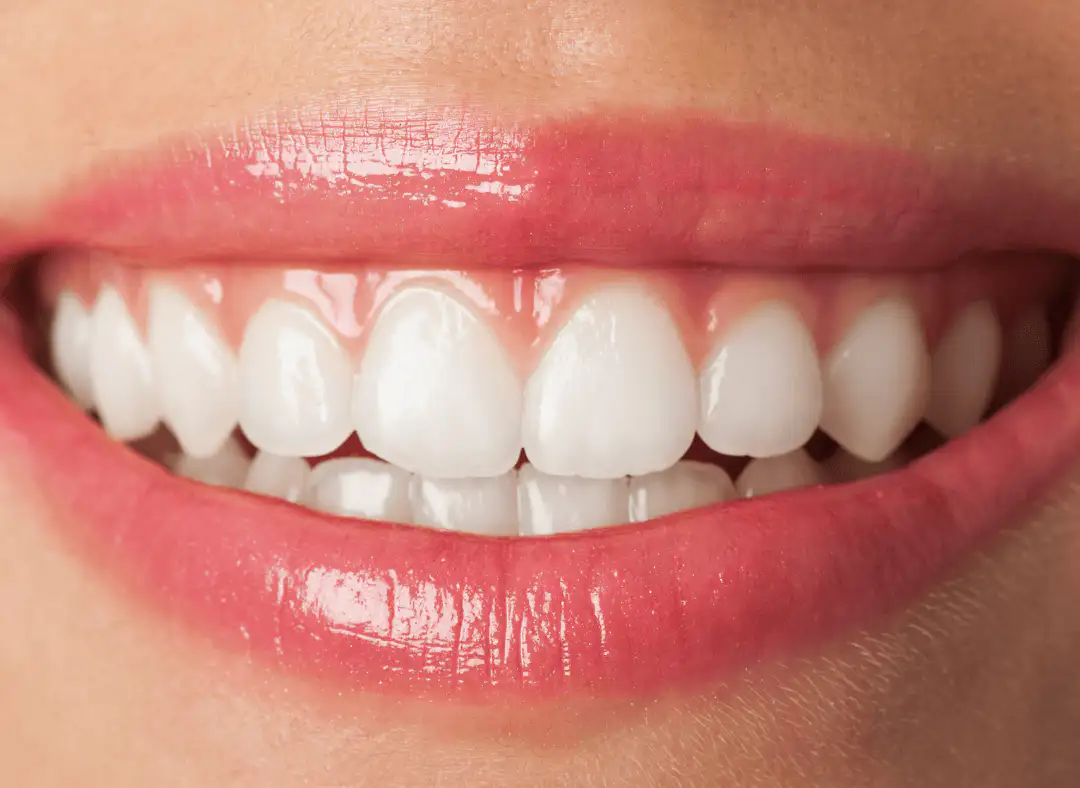
Normally, the gums have a pinkish hue, but in an inflamed state, i.e., when swollen, they turn red. Let's see what can cause this!
Poor oral hygiene
In the vast majority of cases, gum swelling is caused by poor oral hygiene, which primarily refers to inadequate quality and quantity of tooth cleaning methods.
This is because a so-called dental plaque is deposited on the teeth after every meal. Removing this plaque is essential to prevent bacteria from multiplying in the mouth and plaque from settling on the tooth surface, which is a breeding ground for inflammation and swelling.
With thorough brushing and cleaning between the teeth, this plaque can still be easily removed, making it easier to maintain oral hygiene.
If this is neglected, plaque on the teeth will turn into tartar, the removal of which will always require a dentist. Tartar is not just an aesthetic problem: it promotes the proliferation of bacteria, thereby causing gum pain and increasing inflammation.
If swelling and inflammation caused by tartar have occurred, it is typical for the reddened gums to bleed – especially after brushing – and for the patient to complain of bad breath.
When such symptoms are experienced, urgent dental treatment is necessary, as the inflammation can later spread throughout the mouth and can also affect the bone tissue, leading to periodontitis and tooth loss.
Tooth injury
Besides poor oral hygiene, injuries can of course also cause swollen gums. Whether it is an actual trauma or an injury caused by tooth decay, swelling requires immediate intervention.
The problem is that when a tooth is injured, its living tissue structure, the pulp rich in nerves, remains completely unprotected against pathogens, which leads to inflammation and infection. This is typically what causes swelling.
Depending on the extent of the damage, the dentist may use fillings, crowns or other methods to repair the damaged tooth, but root canal therapy may also be necessary if there is inflammation or pain.
You should not wait for the final stage, as if periodontitis spreads, an abscess will form at the root tip, causing a purulent gum swelling.

Root canal treatment
Although it is a rare occurrence in modern dentistry, it must be considered that a patient may experience gum swelling after root canal treatment. This can happen if one of the root canals was not properly cleaned, meaning infected tissues remained in the cavity.
This can cause repeated inflammation, which requires reopening the tooth, checking the condition of the root canals, and continuing their cleaning to.
Wisdom tooth
Wisdom teeth cause many people considerable discomfort during their lives. It's not just that they're difficult to clean; even the process of them erupting can often be problematic, as they can get stuck – for example, behind the molars.
In many cases, this is accompanied by pain and swelling of the gums, which can easily be exacerbated if bacteria are trapped under the gums of a partially erupted tooth and an infection develops.
Alongside swelling and pain, lockjaw is also common at this time, which is why wisdom tooth extraction is often one of the best solutions.
Other causes behind gum swelling
In addition to the above, it is also very important to talk about other causes that contribute to the development of gum swelling.
Experience shows that smokers and regular alcohol drinkers are more likely to have this problem, but stress, reflux disease and too much stomach acid can also have a negative impact on the oral cavity.
In addition to genetic predisposition, hormonal changes associated with pregnancy can also contribute to gum pain and swelling, as increased blood supply to the gums at this time makes them more sensitive to external stimuli.
Treating swollen gums at home
As a general rule, if the swelling and pain in the gums are not due to stress or some temporary problem, then dental intervention is always required to resolve and treat them.
However, if we are waiting for treatment, we can try to alleviate gum swelling and the associated unpleasant pain. Let's look at the effective options we have at our disposal in such cases:
Anti-inflammatory mouthwash
While anti-inflammatory mouthwash cannot work miracles on tartar, nor can it remove plaque deposits, it is effective at eliminating bacteria, which helps to reduce inflammation and, consequently, swelling.
These preparations can be purchased in any pharmacy and drugstore and it is worth paying attention to them containing chlorhexidine, as these types of mouthwashes are highly effective against oral infections.
Purging
Very good results can also be achieved by rinsing for swollen gums. Salt water has a particularly good effect on the gums, which is not a bad choice even after oral surgery, as it has an anti-inflammatory effect and helps to heal the wound.
It can easily be prepared at home, you just need to boil and then cool a glass of tap water, dissolving a teaspoon of salt in it, and gargling with the solution 3-4 times a day.
Natural help
Among herbal remedies, we can also find some ingredients that can help treat gum swelling. Tea tree oil is one such example; it has anti-inflammatory active ingredients and can achieve very good results when used as a mouthwash.
Alongside tea tree oil, the spice called turmeric is also recommended at such times, as it not only reduces inflammation but also possesses disinfectant properties. Gels containing curcumin have a very good effect on gum health.
When should you see a dentist for swollen gums?
Although home remedies and proper oral hygiene can help alleviate the unpleasant symptoms associated with swollen gums, they do not provide a permanent solution.
If such a change is observed and the inflammation does not subside within two to three days, seek an appointment for a dental check-up immediately.
Behind the swelling, there could be more serious problems, such as tartar, an abscess, or even an infection or injury, which require prompt attention.
Otherwise, the gum swelling may worsen, which can ultimately lead to tooth loss.
Treatment of swollen gums
For gum swelling to be treated effectively, a dentist must first carry out a thorough examination to determine the underlying causes. Often, a physical examination is sufficient, but in many cases, an X-ray may also be necessary.
After the dentist has identified the cause of the gum swelling, they will decide on the treatment with the patient.
Sometimes a milder intervention is sufficient, such as a more thorough dental hygiene treatment with tartar removal, or learning proper oral hygiene.
However, in some cases, much more will be needed. For example, if the inflammation already affects the area under the gums where an abscess has formed, then it will need to be drained and treated in order to resolve the problem.
There may, of course, be cases where major surgery is needed to heal. Sometimes a dental filling or a crown can solve the problem, but in many cases a root canal may be necessary.
Especially in cases where the decay has already invaded the inner, nerve-rich surface of the tooth, where inflammation and infection have developed.
If the tooth is unsaveable or a severe infection has occurred, then complete removal is essential, which, following healing, most often leaves patients completely symptom-free.
If gum inflammation is the cause of the swelling, Naturadent offers a special laser treatment. This is a much faster and more effective method, which is also completely painless.
At our dental practice, laser gum disease treatment is carried out by highly trained and experienced specialists, allowing them to permanently free you from the problem in just a few minutes, thus preventing years of protracted, painful periodontal disease.