


Orthodontic treatment is not only important for aesthetic reasons for many people, but it can also be essential for proper oral hygiene and the assurance of basic functions. However, the costs of orthodontic treatment deter many from undergoing treatment.
Indeed, this kind of intervention can completely change a patient's life. Regardless of whether it happens in childhood or adulthood, straight teeth bring a host of inestimable benefits.
However, it should not be forgotten that orthodontic prices are not uniform. Many factors influence them, but mostly the technology used, as well as the nature and severity of the problem.
The primary aim of this article was not to answer how much orthodontics costs, as anyone can check the current prices. Our prices between.
We considered it more important to talk about costs in general, their composition, specifically in relation to the individual types of braces.
Orthodontic treatment costs and what's behind them
Regarding the prices of orthodontic treatment, the most important thing to know is undoubtedly that practices do not set costs arbitrarily. On the contrary, the final sum of this form of treatment is influenced by many factors!
This can be categorised by the technology used, within that the potential brand, the nature and time required for the change, and of course, the amount of medical work involved.
Below, we therefore explain in detail what specific characteristics each type of orthodontic appliance has, what price category they represent, and what properties justify the price differences.
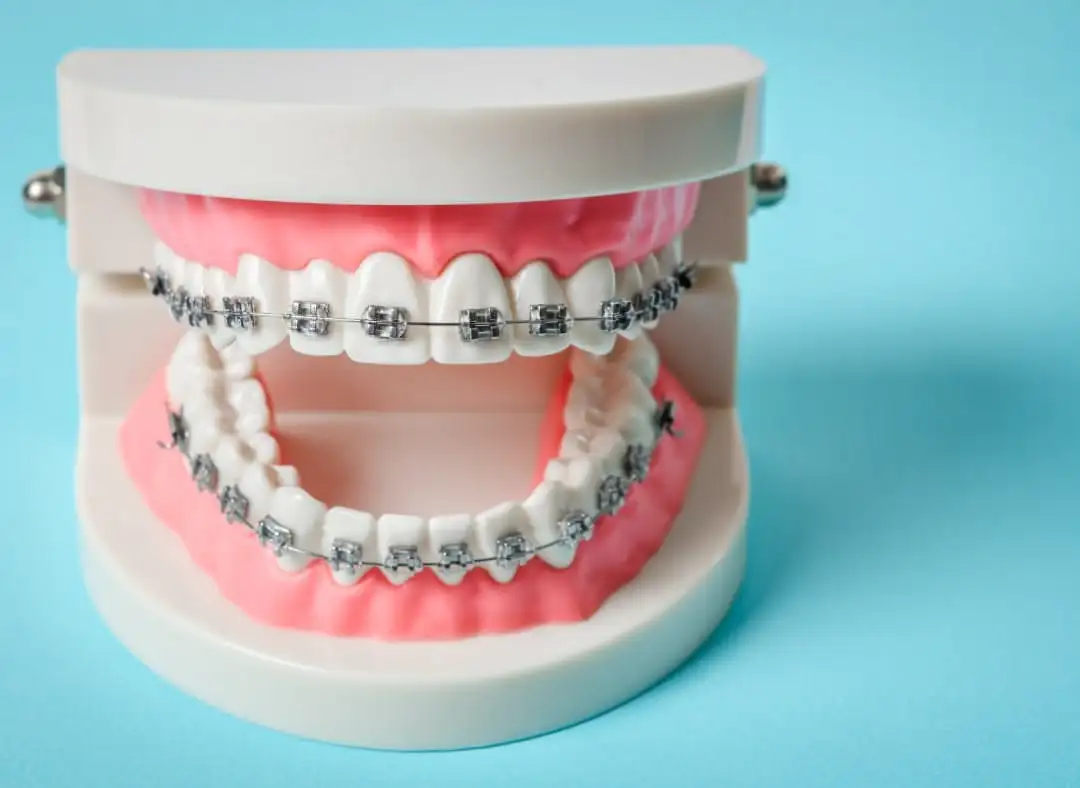
Traditional metal braces
The best-known type, or arguably the predecessor of all modern braces, as it's been in use for decades. It's a clinically proven method, familiar to many, and everyone is aware of its biggest drawback: it causes significant discomfort from an aesthetic point of view.
However, it is generally very popular, as it is one of the cheapest orthodontic alternatives. Where does its affordability originate?
Mostly because it's a standardised method, manufactured in large quantities, practically mass-produced, not tailored to individual needs, and therefore much cheaper to produce than a fully personalised device.
It is made of simple medical steel, so its material use supports the low price, while it is available in almost every dental practice, meaning most dentists handle it routinely.
Advantages:
-
Outstanding value for money.
-
Even the most complex dental abnormalities can be corrected with it.
-
During treatment, it can be continuously fine-tuned, improved, and modified as needed.
Disadvantages:
-
Aesthetically, it causes a lot of discomfort, which is why even children are reluctant to wear it.
-
Initially, it can cause significant irritation to the lips and mucous membranes.
-
Prevents the maintenance of proper oral hygiene.
-
Requires frequent setup and consultation.
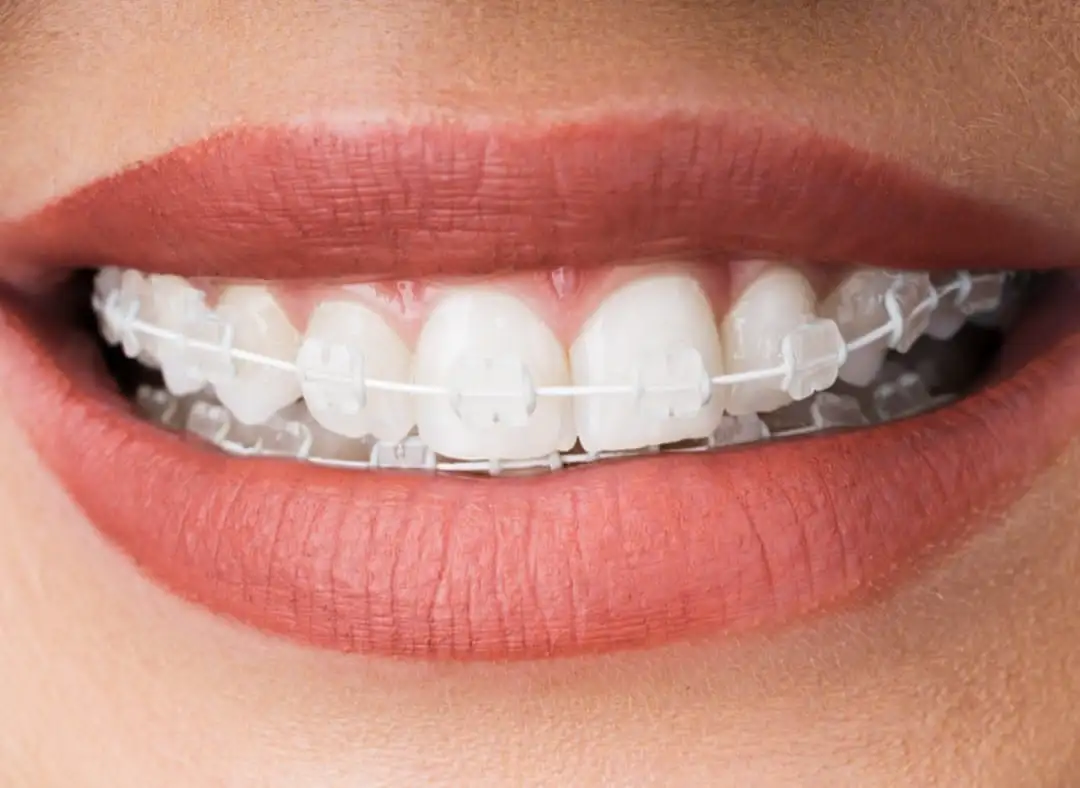
Ceramic or sapphire braces
Ceramic or sapphire braces operate on the same principle as classic metal ones, however, they are less noticeable as they are not made of pure medical metal but match the tooth shade, and the sapphire type has an almost completely transparent effect.
Compared to traditional braces, they can be priced higher because you have to pay for the aesthetics, even though neither the methodology nor the other inconveniences can be eliminated.
Despite the higher price, they are still very popular alternatives, mainly among older children, teenagers, and adults.
The increased price is also justified by the fact that they are made from a material that is not only more specialised but also more fragile, requiring a specific adhesive technique, while both their application and removal are more complicated.
Advantages:
-
It's much more aesthetic than traditional metal braces.
-
At work, school, in photos and videos, it's less noticeable.
-
Its effectiveness is the same as its classic counterpart.
Disadvantages:
-
Both the material and handling costs are more expensive.
-
More fragile than metal solutions, yet repairable.
-
It generally provides slightly slower jaw movement.
-
It does not eliminate lip and mucous membrane irritation.
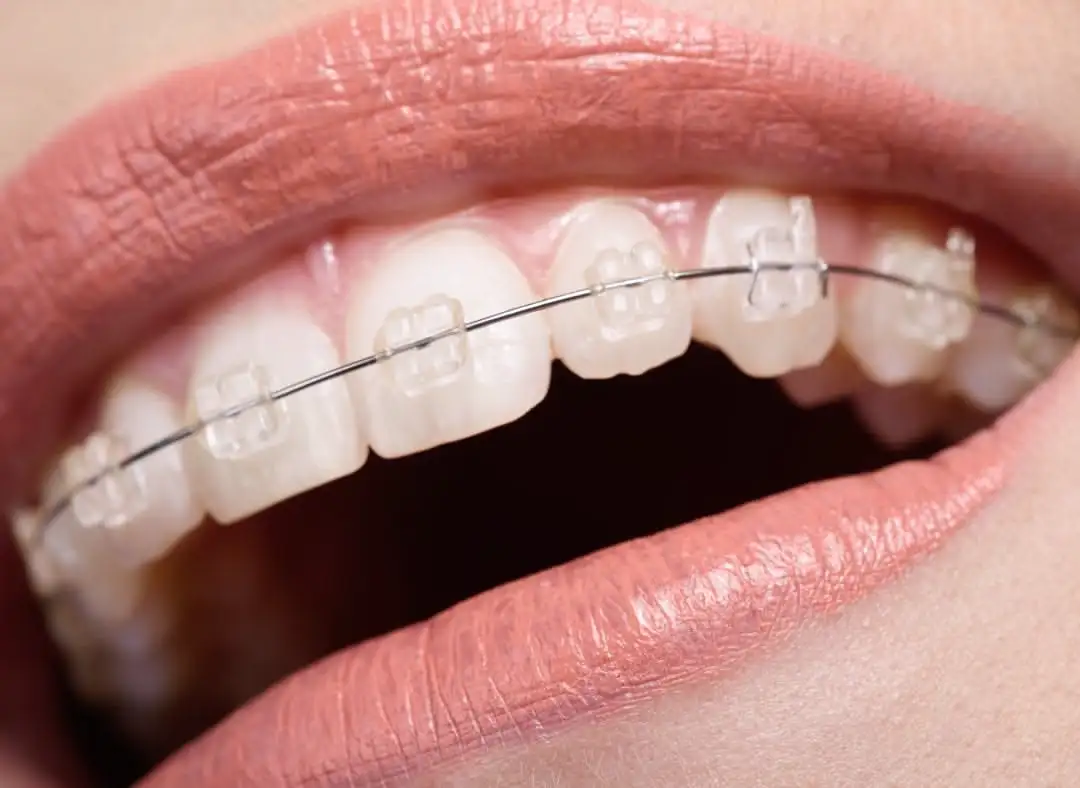
Removable orthodontic appliance
Self-ligating braces can be described as an advanced version of classic metal solutions, which have managed to eliminate some fundamental flaws.
The biggest difference between the two is that this type does not require the use of any rubber O-rings, with a special locking system ensuring the securing of the rail and the entire system.
As it works with newer technology and a more advanced mechanical system, it is naturally a more expensive solution, but the higher price tag is also justified by the technically more complex and more attentive control inspections.
It also affects its pricing that faster and, in some cases, even more effective tooth movements can be achieved with its help.
Advantages:
-
Easier to clean, ensures better oral hygiene.
-
It significantly reduces treatment time for certain deviations.
-
It requires fewer check-ups.
Disadvantages:
-
More expensive than traditional braces.
-
Due to its complexity, few practices routinely use it.
-
Unpleasant irritations cannot be avoided with this type either.
Invisible braces
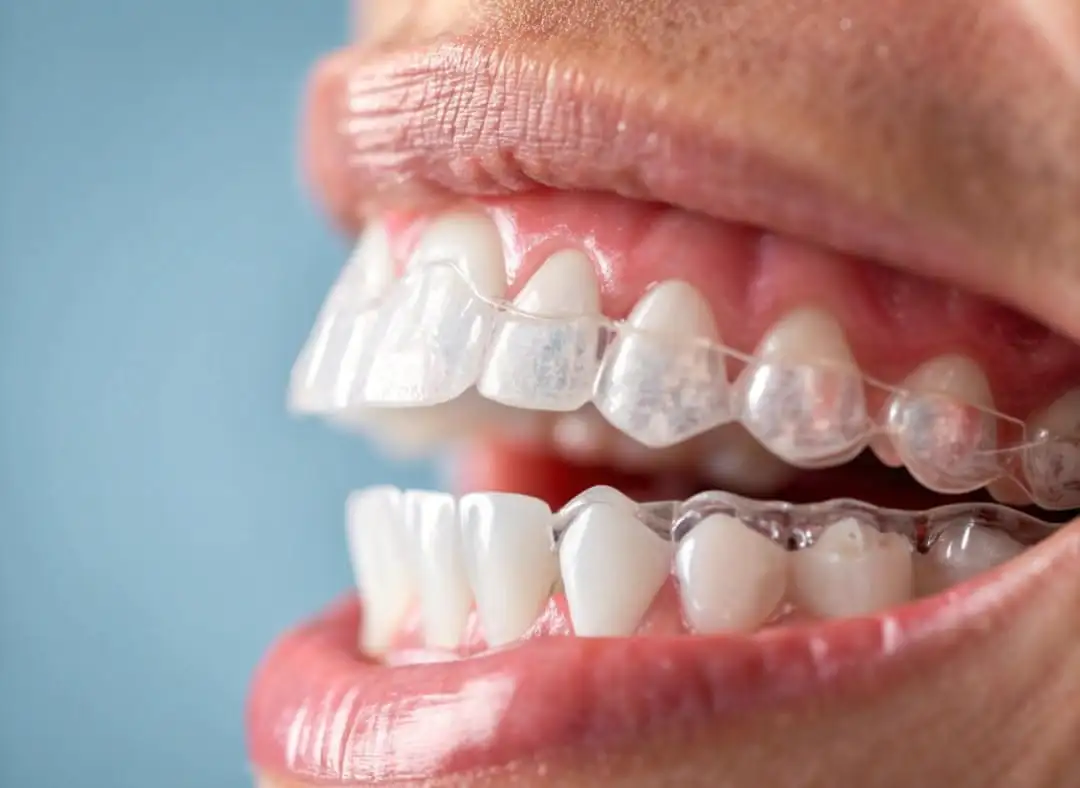
Invisible orthodontics represents the premium category in every respect. One of the most modern methods, the Invisalign orthodontics Yet, it is the best of them all, as it has already helped millions of people worldwide to restore their dental problems.
Its higher costs are mainly due to its outstanding discretion, as completely transparent aligners provide tooth correction, allowing the patient to continue their daily activities without hindrance, whether at school or at work.
It is not an insignificant point that these orthodontic aligners are entirely custom-made and digitally designed pieces, which also increases the price, but in return, we receive a gentler background and freedom that other braces cannot provide.
During treatment, the patient can ensure teeth alignment by alternating between several pre-fabricated sets of aligners, while the aligners can be removed at any time, which provides numerous advantageous properties.
Advantages:
-
Almost completely unnoticeable, making it the most discreet orthodontic method.
-
It offers extremely effective results that can be achieved in just a few months.
-
It can be removed at any time, so it does not hinder eating or maintaining oral hygiene.
-
It is custom-made, therefore it fits precisely, and the patient can see the final result right from the start of the treatment.
-
Painless, comfortable to wear, which does not cause unpleasant irritations.
Disadvantages:
-
Not applicable for more serious discrepancies.
-
Wearing it requires self-discipline, it must be worn for at least 20-22 hours a day.
Milyen tényezők befolyásolják még a fogszabályozás árát?
We already know that with regard to the prices of orthodontic treatments, the chosen type or technology fundamentally determines the final amount.
However, there are still other properties to take into account:
The treatment and the nature of the problem
As no two smiles are the same, there are no two identical price tags when it comes to orthodontics.
It makes a considerable difference, for example, whether minor gaps need to be corrected or such severe crowding that it even requires rotating the teeth.
Bite disorders also represent a completely different category, as do problems related to jaw abnormalities.
The more severe the problem, the longer the treatment, the more check-ups, and potentially the involvement of additional tools will be required, which will, of course, be reflected in the price of the orthodontics.
The duration of the treatment
As we explained in the previous point, the duration of treatment always influences the prices due to ancillary factors.
There are cases that can be resolved within 6-12 months, but more complex situations may arise requiring 24-36 months for full treatment.
The duration increases material costs, as well as expenditure related to control checks and adjustments.
Preliminary investigations
It also depends on the specific case and patient which preparatory examinations are needed before starting orthodontic treatment.
Sometimes a panoramic X-ray is sufficient, but in other cases, a complete 3D scan or, for example, preparation of the gums and teeth is necessary to achieve the best possible orthodontic results.
Aftercare and retention
Most orthodontic treatments don't end with the removal of the braces or when the treatment time expires. In many cases, aftercare or retention is necessary to maintain the achieved tooth movements and prevent relapse.
Retention appliances, such as night guards or fixed retainers, also have extra costs that patients often pay separately in vain, and are still linked to the price of orthodontics.
Frequently asked questions
Which is the best brace?
It is not possible to provide a clear answer to this question, as the nature of the changes often determines which one to use, and secondly, every person is different, so the needs related to treatment are also not the same.
It can be stated, however, that all currently available known types of braces on the market are sufficiently effective, so this aspect will certainly not influence the decision.
Which is the cheapest brace?
Many people think that classic metal braces are always the cheapest, but in reality, the situation isn't always that simple. Especially for minor corrections, there are often minimal differences between the various types.
At such times, patients often no longer look at which is the cheapest, but rather at which is the fastest, most aesthetically pleasing, or most convenient method.
Why shouldn't the price be the only factor when choosing braces?
Because although the question of price is an important factor, the cheapest isn't always the best. Take a teenager, for example, for whom traditional braces could cause a lot of discomfort and self-esteem issues, while Invisalign probably wouldn't.
Therefore, let's always choose the orthodontic device that is most optimal for our problem and also guarantees us the most benefits during treatment.
How much does orthodontic treatment cost at NaturaDent clinic?
As our article also revealed, the price of orthodontics is determined by numerous factors, so at NaturaDent, we can only calculate a starting price without consultation and examination, which for Invisalign orthodontics, starts from 350,000 forints per jaw.
What does the price of orthodontics include?
This varies from practice to practice, and it's worth finding out in advance so that you're not unpleasantly surprised. At NaturaDent, for example, we itemise everything separately so that our patients can get an accurate picture of the expected total cost and what it includes.
Is it possible to combine different types of orthodontic treatments?
Of course. It's a common scenario that many start treatment with traditional braces and then finish with Invisalign braces. However, this naturally affects the pricing.