


Fractured tooth: what can cause it?
A tooth may break as a result of accidents, tooth decay, poorly fitted fillings or an improper bite. Treatment varies from case to case; as well as restoring the broken tooth, it is also important to address the underlying problem. If a tooth is subjected to a strong blow or pressure as a result of an accident, it is often unable to withstand this force and part of it breaks off. When treating teeth injured in an accident, we must proceed with extreme thoroughness and care. The surrounding teeth, adjacent teeth, and Jaw joint, but it is best to give the entire set of teeth a thorough examination. In many cases, the cause of a broken tooth is not an accident, but rather the fact that Due to decay, the walls of the tooth weaken, they become thinner and, when biting down hard or eating harder food, the weakened part of the tooth breaks off. This is more likely to happen with root-treated teeth, as they no longer have a blood supply. In such cases, the tooth becomes brittle and, when subjected to a strong bite, is at risk of breaking off. Another common cause is when The filling of the tooth is not precise, is too high, so it is subjected to extra stress when biting down. In such cases, this stress can, over time, lead to the tooth cracking and, eventually, breaking off. Furthermore, there are also cases where the unnatural bite position puts too much pressure on the given tooth. Further chipping of the tooth can also be caused by clenching during the day, or Night grinding, teeth clenching which unfortunately we cannot “switch off”, as we do not do it consciously in our sleep.The occurrence of tooth fracture is most common in whom?
Fractures caused by the accident most frequently occur in athletes' lives. They are extremely common, for example, among ice hockey players, footballers, basketball players and boxers, who can easily collide with another player during sporting activities and sustain injuries. Accidental tooth fractures it often occurs in children too, who are more likely to damage their teeth whilst playing sport or games, either by colliding with one another or by falling over. In accidental injuries, the front teeth are most often affected, with broken incisors being the most common. Tooth fractures due to tooth decay can be prevented with regular six-monthly dental check-ups!If you visit the dentist regularly, tooth damage and chipping can be easily prevented, as these problems will be identified during thorough check-ups, which your dentist can then treat in good time. This will help to avoid teeth chipping, which can be accompanied by damage, tearing, swelling, bleeding, and pain to the oral mucosa, or gums.What Problems Can a Broken Tooth Cause?
A sharp, broken tooth in the mouth can cause serious trauma and wounds to the tongue and the mucous membranes. The tongue may be subjected to constant scratching, which is painful and prevents it from healing. This can easily lead to sores, inflammation or swelling on the tongue. A broken tooth is not only a source of danger within the oral cavity, but The chewing surface that falls out along the fracture affects chewing.This also affects digestion. If a broken tooth is not treated, it can be very sensitive and painful, depending on the extent of the break and the area it affects. A missing tooth or a broken tooth can also cause a tooth to become loose. The teeth above and below the gap move to fill the space, attempting to create a perfect bite again. Naturally, the broken tooth must be treated as soon as possible, finding the appropriate replacement solution so that it doesn't affect the structure of the other teeth.How can a chipped tooth be treated?
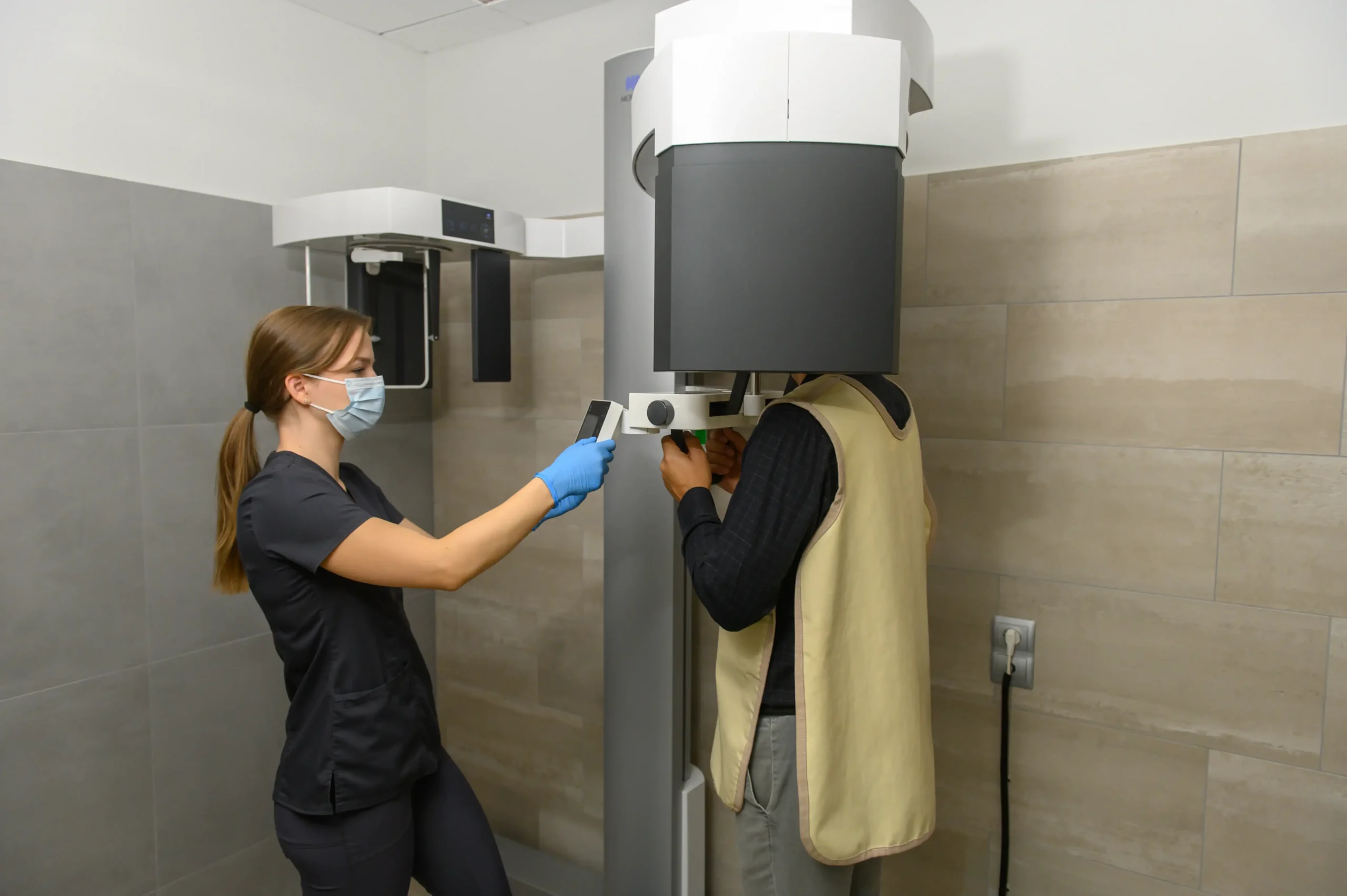
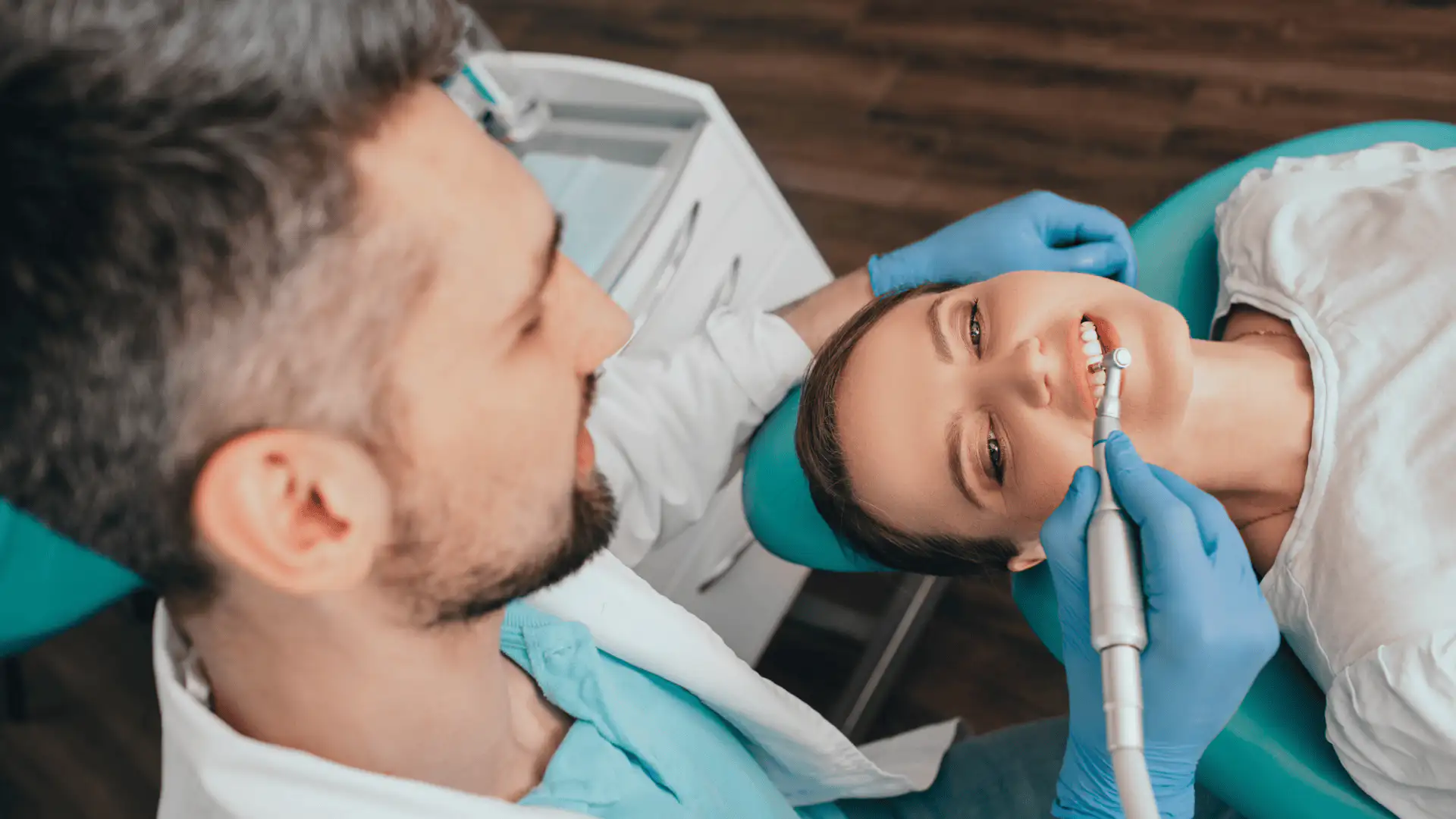
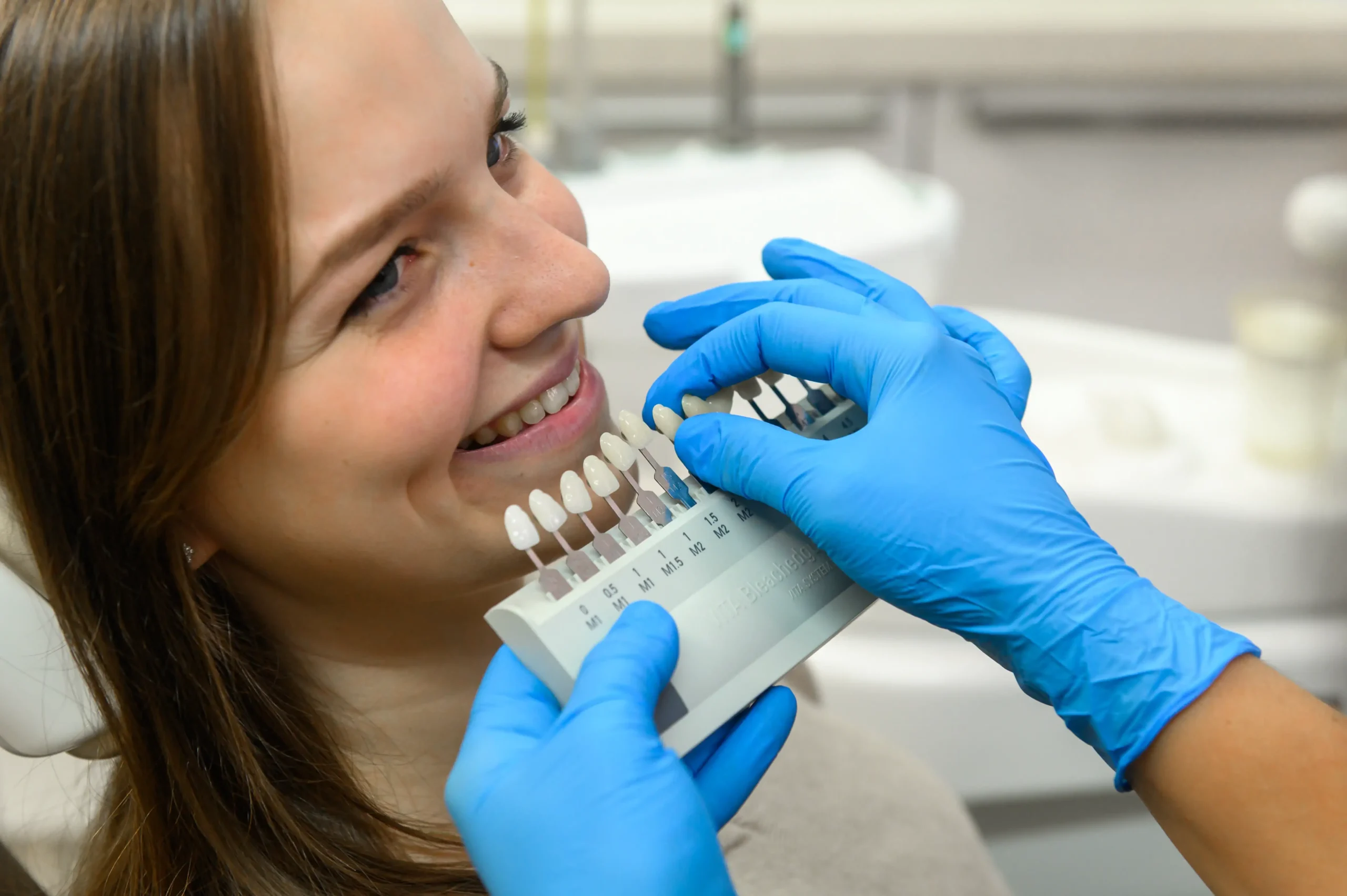
If you have a broken tooth, it is advisable to see a dentist as soon as possible so that treatment can begin without delay and further problems can be prevented. During the examination, we must first assess the extent and cause of the fracture. We then need to take a digital panoramic X-ray, as we also need to check whether there is any inflammation at the root. Following the examinations, we draw up a treatment plan and consult with the patient. During the consultation, we work with the patient to choose from the available treatment options, after which we begin the restoration of the tooth and the replacement of the missing tooth. If the fracture is only minor and the nerve is not damaged, then a with the help of a crown we can replace the missing part of the tooth. If the fracture is so severe that it has affected the nerve, then certainly You need root canal treatment.. The root canal treated tooth will be monitored for 3 months, then the restoration will be fitted. Online deposit, which is a press-formed ceramic inlay made by a dental technician. The stability and durability of the inlay are very important, as a root-canal-treated tooth becomes very weak unless a strong inlay is fitted. In the case of a minor fracture caused by biting down, a tooth-coloured, aesthetic, We are replacing it with a bio-filler., and we advise our patient to consult our orthodontist. Orthodontic treatment can prevent further tooth fractures. If the fracture is caused by teeth grinding or clenching, we also recommend a consultation with an orthodontist. Fractures caused by clenching and grinding can be treated with a mouthguard that can be worn during the day can be eliminated with a plastic rail. However, bite correction can be a more protracted process, and in some cases, wearing fixed orthodontic braces is also recommended.How can we prevent tooth fractures?
We recommend visiting your dentist for a check-up twice a year, as this allows us to detect potential problems early. A tooth won't break if we notice in time that it's decaying, or if teeth grinding has affected it, or if it's protruding from the natural dental arch. Furthermore, in all activities, Where a blow or strong physical impact may affect our teeth, it is advisable to use a rubber-based mouthguard.. With these, the teeth can always rest far apart, securely embedded in the gum yet still fixed to each other, protecting them from the sudden displacement effects of impacts. One of our patients told us that they were so afraid of the dentist as a child that they would visit every three months. They thought that in that amount of time, nothing bad could possibly happen, and they wouldn't be nervous before an examination. This is also a way to avoid anxiety, but we are certain that anyone who has visited us once will not return with fear.We welcome you in our practice!
Ask our dentists and oral surgeons for help. Our team is experienced, trained, caring and always cheerful, and will be happy to offer you all their expertise, up-to-date knowledge, care and attention.