Sajnos ma Magyarországon a lakosság 90%-át kisebb-nagyobb mértékű fogágybetegség kínozza.Most of us just walk past it, take it for granted if our gums bleed while brushing, blame it on the toothbrush or poor brushing technique.
But this is not always the case: the cause could even be severe gum disease. If the problem is recognised and treated in time, gum health can be fully restored. But action must be taken for this to happen…
The most common symptoms of gum disease are swollen, inflamed gums, bleeding gums during brushing, bad breath, a feeling of pain, and in severe cases, teeth can even loosen and start to move. If these symptoms are not addressed by a dentist in time, they can lead to tooth loss.
What is periodontal disease?
Periodontitis, or gum disease, is essentially an inflammation of the tooth's supporting structures, which we commonly refer to as the gums. The gums are a complex system, and their name itself refers to the position of the teeth.
Gum disease is the most common cause of adult tooth loss.
Gum disease is more insidious than we might think, as it can affect the entire body and is linked to various cardiovascular diseases, among other conditions.
The cause of gingivitis is plaque, which builds up due to poor oral hygiene, along with a large number of bacteria found in the plaque. If plaque accumulates near the gums, inflammation will develop there sooner or later. In most cases, gingivitis can still be quickly resolved with a thorough dental hygiene treatment.
However, if this inflammatory condition persists for a long time, the inflammation also extends to the periodontium, causing a more severe disease. First, it damages the gum tissue, causing gum recession. In more severe cases, the existing inflammation extends to the other parts of the periodontium, i.e. the fibres and bone tissue, damaging them.
As a consequence, the tooth's support weakens, the tooth begins to loosen, and the gum separates from the tooth's root, creating deep pockets. Bacteria, tartar, and inflamed tissue accumulate in these pockets, keeping the periodontium in a state of constant inflammation.
Fogágybetegség felismerése A fogágybetegség, más néven parodontitisz, egy olyan állapot, amelyben az íny és a fogakat tartó csont begyullad. Ha nem kezelik, idővel a fogak elvesztéséhez vezethet. Íme néhány jel, amelyekre figyelni kell: * **Vörös, duzzadt vagy érzékeny íny:** Az egészséges íny rózsaszín és nem fájdalmas érintésre. Ha az ínye vörösnek, duzzadtnak tűnik, vagy könnyen vérzik, ez a fogágybetegség jele lehet. * **Ínysorvadás:** Ha úgy tűnik, hogy az ínye visszahúzódik a fogairól, fogai hosszabbnak tűnhetnek. Ez akár a fogak elmozdulásához is vezethet. * **Tartós rossz lehelet vagy rossz szájíz:** A rossz lehelet, amelyet nem lehet fogmosással vagy fogselyemmel orvosolni, a fogágybetegség és a fogak közötti ételmaradékok és baktériumok felhalmozódása miatt lehet. * **Fogak mozgatása vagy szétválása:** Ha a fogai lazának vagy elmozdulónak tűnnek, ez a fogágyat támadó fogágybetegség jele lehet. * **Vérzés fogmosás vagy fogselymezés közben:** Ha az ínye gyakran vérzik fogmosás vagy fogselymezés közben, ez ínygyulladás jele lehet, amely a fogágybetegség korai stádiuma. * **Feszes fogak vagy elváltozások az ínyben:** Ezek olyan jelek, amelyekre figyelni kell. Ha a fenti tünetek bármelyikét tapasztalja, fontos, hogy mihamarabb keresse fel fogorvosát. A fogágybetegség korai felismerése és kezelése kulcsfontosságú a fogak egészségének megőrzéséhez és a súlyosabb problémák megelőzéséhez.
- Your gums bleed when brushing or using dental floss.
- The gum is sensitive to touch, darker in colour, swollen, and visibly inflamed.
- Teeth are more sensitive and painful at the neck of the tooth, at the junction of the crown and gum, when brushing or consuming hot or cold food and drinks.
- The fog can be moved.
- Crowded teeth drift, moving out of their original position within a short period, tilting, and shifting.
- Your breath smells increasingly unpleasant, even if you brush your teeth multiple times a day.
If you experience any of these, you most likely have diseased gums and are suffering from early or advanced periodontitis!
We know this condition; we encounter the problem daily with new patients, but fortunately, we have our eradication methods, our proven, revitalising solutions for treating and making gum disease symptom-free.
The 10 most important things to avoid losing your teeth…
The elimination of gum disease
Gum disease, which begins with gingivitis, is relatively easy to treat. In most cases, a thorough tartar removal, professional teeth cleaning, and dental hygiene consultation are sufficient., so that the plaque causing gum inflammation disappears, and you learn how to care for your teeth and gums even more effectively.
More serious treatments are needed for advanced periodontal disease. For deeper treatments that eliminate more extensive inflammation, we also use the latest tools and methods of laser dentistry – Biolase laser dental equipment.
The most suitable and friendly dental treatment method currently known for eliminating gum disease is painless laser curettage, laser deep cleaning.The aim of laser cleaning is to thoroughly remove bacteria that cause gingivitis, dead tissue due to inflammation, and inflamed tissue. We will disinfect the inflamed, diseased gum area and ensure the quickest and most lasting healing possible to the best of our ability.
During laser curettage, laser light delivers concentrated and controllable energy to the tissues, where it is absorbed, almost instantly destroying all inflammatory-causing bacteria. With our modern procedures faster, more thoroughly, the problem can be resolved with far less discomfort, and a faster recovery is also guaranteed.
Laser treatments do not include the removal of fillings previously placed in the tooth, and in some cases an anaesthetic injection is required for laser treatments. The various benefits of laser dental treatments vary in the extent to which they are used. We aim to ensure that our patients' treatments are as relaxing and painless as possible.
Feel free to ask our specialist dentists and dental hygienists for help with gingivitis and periodontitis!
Lifestyle as the best medicine
Gumivali gyulladása da tiis naag la kulantay, laakiin ku dhawaad dhammaan waxa ku xidhan hal dabeecad xun oo nololeed.
A legfőbb kiváltó okok a fogmosás és a fogköztisztítás elmulasztása miatti lepedék felhalmozódása.
- Irregular, vitamin-deficient nutrition.
- A sedentary lifestyle.
- Stressful work.
- Inadequate dental hygiene.
- An unbalanced private life.
- The use of unsuitable dental care products.
- Daily adherence to harmful addictions.
We can help alleviate the symptoms, and you are capable of changing the root causes, thus avoiding loose teeth. We will help and advise you based on our own and our patients' experiences.
All you need to do is:
- to thoroughly observe the condition of your teeth and gums,
- to examine their lifestyle and list the problematic areas,
- visit our surgery,
- To ask for help from our dentists, from our dental hygienists.
Gum disease or gingivitis
Although gingivitis and periodontitis are often used interchangeably, it is actually worth distinguishing between the two.
It is a fact that gingivitis is also a periodontal disease, but it is a milder form, one could say its precursor, which can still be completely healed with appropriate treatment.
In contrast, advanced gum disease is a far more serious condition that can cause irreversible damage to the tissues.
Let's get to know the two dental diseases a little more thoroughly:
Gingivitis
Gingivitis, also known as gum inflammation, is typically an inflammatory condition that only affects the surface of the gums and the upper tissues. It can be acute or chronic but does not affect the tooth root or bone structure.
Typically, plaque-dwelling bacteria, insufficient oral hygiene, or an unhealthy lifestyle trigger it. It's easily recognisable because mild swelling and redness develop under the gum's epithelial layer due to increased blood flow.
It generally causes minor discomfort, leading to gum recession, sensitivity, and mild pain. With proper oral hygiene and dental treatment of the underlying causes, this condition is entirely manageable and does not result in irreversible effects.
Gum disease
Periodontitis, or gum disease, is generally discussed in cases of advanced gum problems, when chronic inflammation has already spread to the deeper structures, including tissues and bone.
The process has a tissue-damaging effect, which breaks down the collagen fibres that anchor the teeth – causing them to loosen – and the bone structure, while also creating pockets filled with pus, tissue debris, and bacteria between the tooth and the gum.
Although inflammation can be reduced and bacteria removed, bone loss and gum tissue cannot be regenerated by natural means, and specialised treatments are often required.
Frequently asked questions
Can gum disease be asymptomatic?
As advanced gum disease often presents with visible symptoms, such as causing gum recession, it is very rarely asymptomatic. However, it may not cause pain while serious tissue damage is already taking place in the background.
Mi a fogágybetegség legnagyobb kockázati tényezője?
In addition to a lack of proper oral hygiene, the risk of developing gum disease is more common in smokers and diabetics, but it can also be caused by genetic predisposition or even hormonal changes such as pregnancy or the menopause.
Why is periodontal disease treatment more difficult in diabetics?
This is mainly because high blood sugar levels weaken the body's immune response, which favours inflammatory processes, and the gums may respond less effectively to dental treatment.
A fogágybetegség megelőzésében a rendszeres fogmosás kulcsfontosságú szerepet játszik, mivel segít eltávolítani a lepedéket és az ételmaradékokat, amelyek a fogínygyulladás és a fogínysorvadás fő okozói.
It can safely be said that this is the most important preventative factor. Regular and correct brushing helps to remove plaque from the surface of the teeth, thereby preventing tartar build-up and the accumulation of bacteria, which is the cause of inflammatory processes.
Can gum disease be reversed?
In cases of severe periodontal disease with tissue loss, receding and atrophied gums, as well as lost bone material, cannot regenerate on their own. However, modern dentistry offers treatment methods for this, such asLaser gum contouring.
What are the treatment options for gum disease?
Dentists can choose from a wide variety of procedures, tailored to the nature and severity of the problem. NaturaDent Laser Dentistry offers laser deep cleaning, laser curettage, laser surgical procedures to reduce pockets, and even laser gum contouring.
When is surgical intervention needed?
Usually in cases of more severe changes, advanced periodontal disease, or gum recession to an extent that requires plastic surgery.
Can periodontal disease still develop after implant placement?
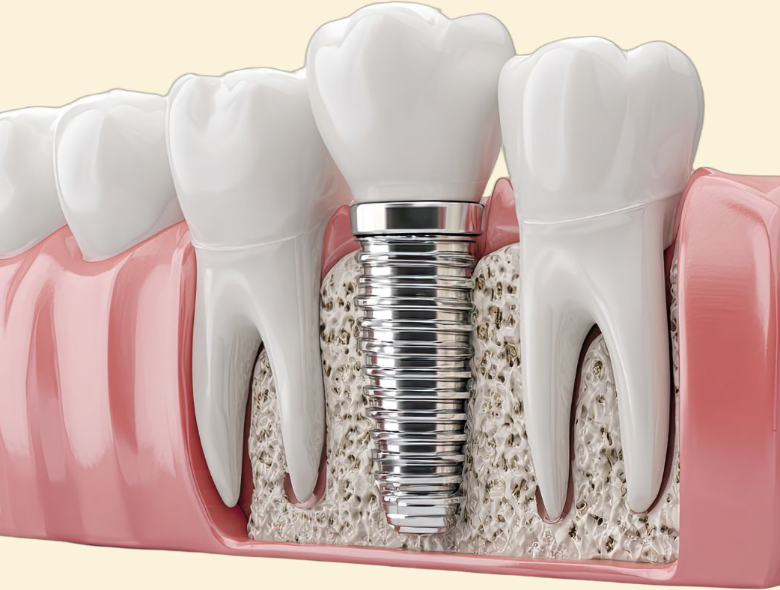
Certainly, especially in cases of poor oral hygiene. Inflammation and receding gums, as well as bone loss, can also cause implant displacement.
Can diet also play a role in gum disease?
Yes, a balanced, healthy diet, and plenty of vitamin C and mineral intake can support gum health and resilience.
Íny visszahúzódása milyen veszélyeket rejt magában?
Gum recession can expose the tooth root, leading to increased sensitivity, a higher chance of tooth decay, which can increase the incidence of periodontal disease, and also cause aesthetic problems.
Can gum disease affect pregnancy?
Research confirms that gum disease can increase the chances of premature birth and low birth weight, so it is advisable to treat related problems before planning a pregnancy.
Does gum disease really affect the cardiovascular system?
Yes, several studies have proven that gum disease can increase the risk of heart disease and stroke due to chronic inflammation.
Does age affect gum disease?
Statistics show that the risk of periodontal disease increases with age, but especially over 65.
Can an electric toothbrush help prevent gum disease?
If used correctly, electric toothbrushes contribute to more effective plaque and tartar removal, thereby supporting gum health.
Can periodontal disease occur in children too?
Very rarely, but it can occur in adolescence, that due to poor oral hygiene, it can even develop in a more severe form.
Can gum disease cause bad breath?
Yes. Bad breath is a common complaint in such cases due to inflammation and the accumulation of bacteria, and in more severe cases, pockets forming under the gums.
Ha nem kezelik a fogínysorvadást, akkor az súlyosbodhat és fogvesztéshez vezethet. Az ínygyulladás továbbterjedhet az állcsontra, ami a fogakat tartó csont károsodásához vezet. Ez a csontvesztés tovább gyengíti a fogakat, és végül azok kilazulhatnak és kihullhatnak. Ezenkívül a kezeletlen fogínysorvadás rossz leheletet, ínyvérzést és fájdalmat okozhat. Egyes tanulmányok összefüggést találtak a fogínysorvadás és a szervezetben lévő más egészségügyi problémák, például szívbetegség és cukorbetegség között is.
Very serious complications can develop, with the breakdown of bone and connective tissues leading to teeth becoming loose, falling out of place, or an increased risk of certain diseases, including cardiovascular problems.
We welcome you in our practice!
Ask our female colleagues for help; our team's experienced, well-prepared, caring, and always cheerful members will gladly be at your disposal with their full expertise, up-to-date knowledge, care, and full attention.